
REVIEW · DA NANG COFFEE WORKSHOPS
Da Nang Coffee Making Workshop
Vietnamese coffee can teach you fast. In a Da Nang coffee making workshop, you learn why Vietnamese coffee tastes the way it does, then you make several iconic styles yourself. You’ll get an English-speaking guide, modern tools, and a clean setup that keeps everything practical and fun.
I especially love the hands-on brewing and the step-by-step coaching that makes the methods feel repeatable at home. I also like that you’re not stuck with one drink: you’ll make egg coffee, salt coffee, coconut coffee, and phin coffee, so you taste how Vietnamese coffee handles boldness and smoothness differently.
One thing to consider: the menu contains eggs and milks, so if you have food sensitivities you’ll want to plan ahead.
In This Review
- Key things I’d plan around
- Vietnamese coffee tastes like a country’s daily habit
- Choosing the right session length in Da Nang
- Option 1: Coffee making class (about 1.5 hours)
- Option 2: Coffee class plus lunch (about 2.5 hours)
- Option 3: Coffee and cooking class (about 4 hours)
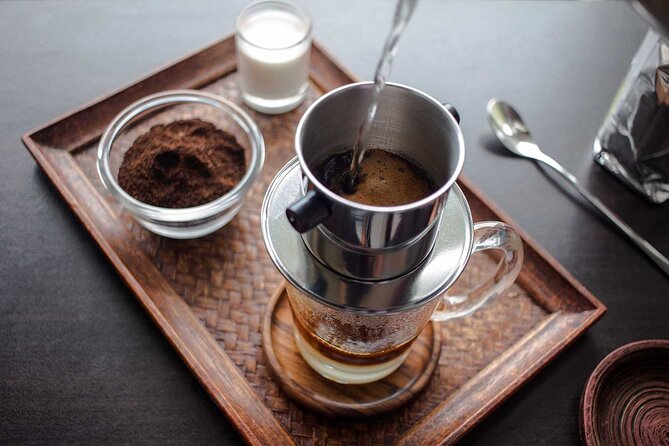
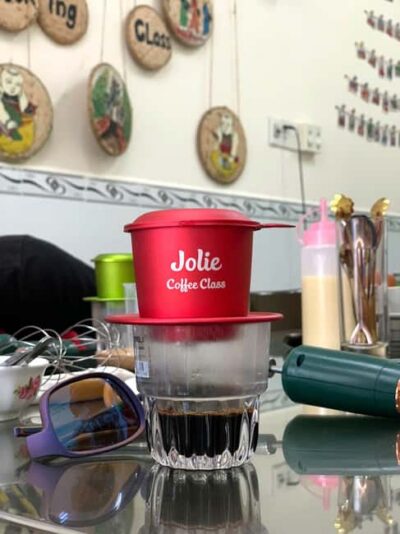
- Entering the phin phase: the filter method that drives the flavor
- Egg coffee, salt coffee, coconut coffee: taste four kinds of contrast
- Egg coffee: creamy and smooth with a custard feel
- Salt coffee: creamy richness with a salty edge
- Coconut coffee: tropical aroma with coffee backbone
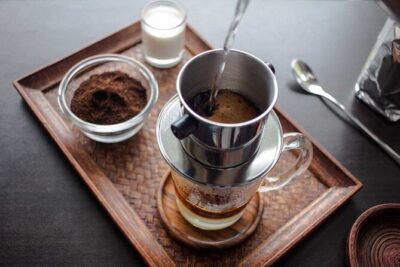
- Phin coffee: the base that explains everything else
- What you’ll do step by step (and why it helps you at home)
- The optional lunch and cooking class payoff
- Lunch menu: snack-friendly and coffee-friendly
- Cooking class menu: you get regional Vietnamese comfort
- Price and value: is $17 a fair deal in Da Nang?
- Practical tips so your coffee-making doesn’t fall apart
- Who should book this workshop
- Should you book the Da Nang Coffee Making Workshop?
- FAQ
- FAQ
- How long is the Da Nang coffee making workshop?
- What coffee types do you learn to make?
- Are there lunch options?
- What is included in the class price?
- Does the workshop include pick-up and drop-off?
- Is the class suitable if I avoid eggs or milk?
Key things I’d plan around
- Four famous coffee styles you can actually reproduce after the class
- Phin coffee technique explained with tools you’ll use right away
- English-speaking instruction with a friendly, humorous teaching style in the class feedback
- Optional lunch or cooking if you want more than coffee (spring rolls, banh xeo, mango salad, and more)
- A recipe PDF and instructions you can take home for later
More Vietnamese coffee to sit down with
- Da Nang Cooking Class with Coffee Tasting and Market Visit★ 5.0 · 310 reviews
- DaNang Farm-to-Table Cooking Class with Market and Coffee Tasting★ 5.0 · 131 reviews
- Da Nang Coffee Making Workshop★ 5.0 · 26 reviews
- Coffee Making and Cooking Class★ 5.0 · 12 reviews
Vietnamese coffee tastes like a country’s daily habit

Vietnamese coffee isn’t just a caffeinated drink. It’s a routine, a social thing, and a comfort thing, all wrapped into one cup. That’s why a workshop here feels different than a basic tasting: you’re learning the choices that shape the flavor.
Da Nang is a great base for this because you get a break from sitting in heat and traffic while still doing something local and hands-on. And the class focuses on what matters: the bean, the method, and the final balance.
What you’ll likely notice quickly is how Vietnamese coffee handles contrast. It can feel bold without being harsh. It can feel heavy but still smooth. That’s not magic. It’s process.
Choosing the right session length in Da Nang
You can do this workshop in a short, medium, or full day style, depending on how hungry you are for coffee and (optionally) food.
Option 1: Coffee making class (about 1.5 hours)
Meet times are 10:00 am, 1:00 pm, or 3:30 pm. This is the cleanest choice if you want coffee education without adding a meal.
In this version, the focus is on learning to make four types of Vietnamese coffee. You’ll still taste what you make, but the pacing is tight enough that you won’t feel like you’re waiting around.
Option 2: Coffee class plus lunch (about 2.5 hours)
Meet times are 12:00 noon or 2:30 pm. You’ll have lunch before the coffee making class, which makes this a better option if you know you’ll drink all the coffee you make.
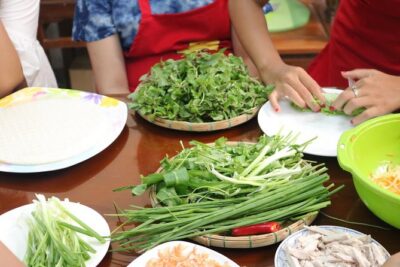
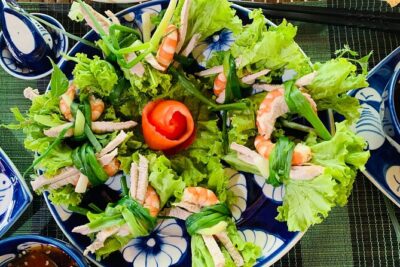
Lunch menu includes fresh spring rolls, crispy Vietnamese pancakes (bánh xèo), and mango salad with shrimp and pork. Vegetarian option is available, and this matters because the workshop’s coffee ingredients can be heavier if you’re also dealing with dietary limits.
More Da Nang tours we have been out and rated
Option 3: Coffee and cooking class (about 4 hours)
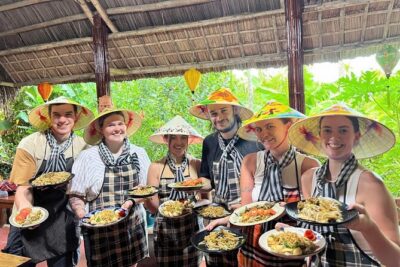
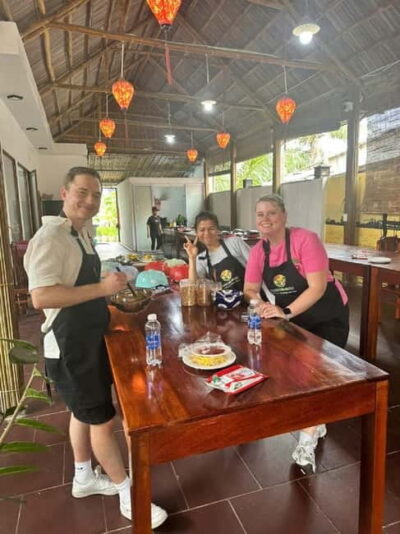
Meet time is 9:30 am. This is the choice if you want to turn the morning into a full Vietnamese food lesson, not only a coffee one.
Cooking class menus depend on the day:
- Mon, Wed, Fri: Quang Noodle; fish sauce chicken wing; green papaya salad with shrimp; deep-fried spring rolls
- Tue, Thur, Sat, Sun: Beef noodle soup (Pho); bánh xèo; green mango salad with shrimp; fresh spring roll
If you’re trying to make your Da Nang day more than just beach time, this option gives you that bigger “learn and eat” payoff.
Entering the phin phase: the filter method that drives the flavor
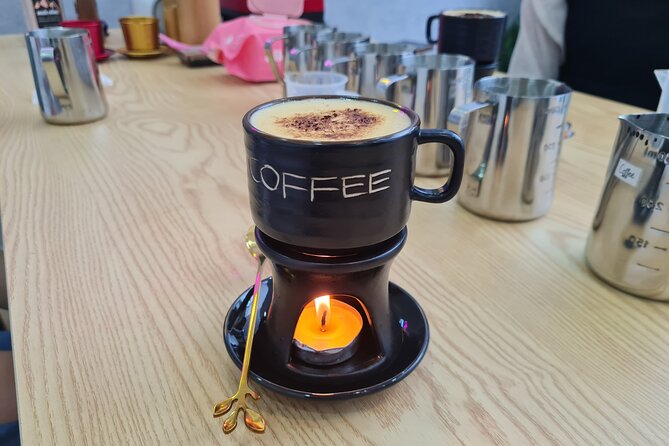
The star technique in Vietnamese coffee is the phin coffee method. Even if you’ve had Vietnamese coffee before, learning the steps makes a difference because you understand what you’re tasting.
In practical terms, you’ll learn how to set up the brewing process using the workshop’s tools, and then you’ll follow the instructor’s guidance while you work. This is the kind of class where you don’t just watch foam form. You control it.
The workshop also explains why Vietnamese coffee works the way it does—bean choices, preparation style, and how flavor profiles change based on what you mix in. That background makes the four recipes feel connected rather than random.
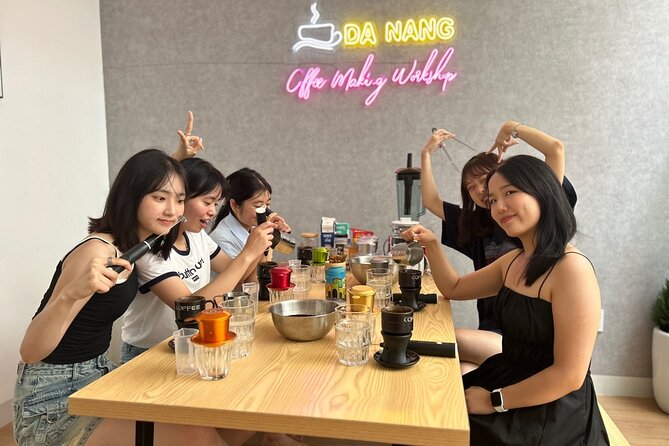
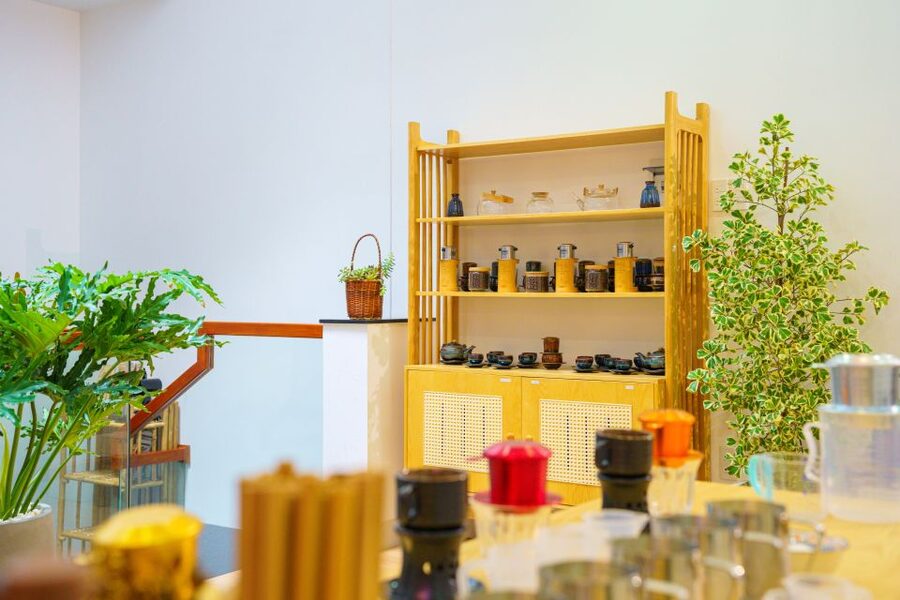
A good sign here is that the setup is described as clean and modern, and the equipment is top notch. That matters because it removes one common problem in cooking classes: messy tools and unclear instructions.
Egg coffee, salt coffee, coconut coffee: taste four kinds of contrast
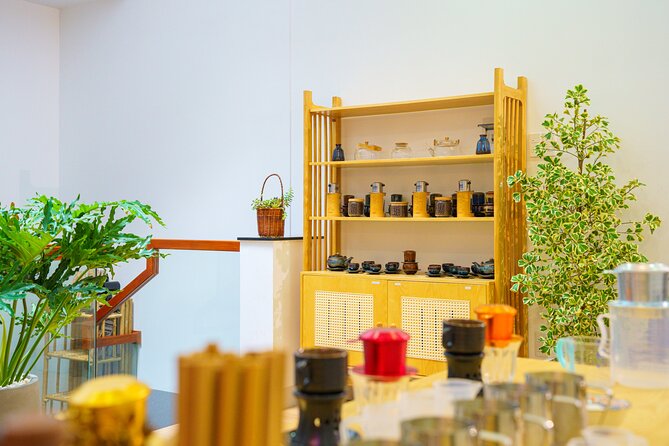
The class teaches you four specific drinks:
- Egg coffee
- Salt coffee (salty cream style)
- Coconut coffee
- Phin coffee (the base-style brew)
Each one gives you a different lesson.
Egg coffee: creamy and smooth with a custard feel
Egg coffee is famous for a reason. When you learn how it’s made here, you understand how sweetness and texture can balance the strength of Vietnamese coffee. The result tends to feel thick, creamy, and surprisingly comforting.
Because the class notes that the menu includes eggs and milks, egg coffee is one of the reasons you should think about dietary needs early. If eggs or dairy are an issue, don’t assume there’s a perfect swap unless you ask.
Salt coffee: creamy richness with a salty edge
Salt coffee can sound odd until you make it and taste it. The whole point is that a little salt can sharpen sweetness and make the coffee taste less flat.
This one is often the most memorable because it flips the usual expectation. In feedback, people specifically call out the salt coffee experience, and it’s easy to see why: it feels like an experiment you actually get to win.
Coconut coffee: tropical aroma with coffee backbone
Coconut coffee brings a different kind of aroma to the table. You’re mixing coconut flavor with Vietnamese coffee strength, and you learn how to keep it balanced instead of letting one flavor overpower the other.
If you like Vietnamese desserts and coconut-based flavors, this tends to land well. If you’re nervous about coconut, make this one your “guided test.” The instructions keep you from guessing.
Phin coffee: the base that explains everything else
After you learn phin coffee properly, the other recipes make more sense. You can taste the coffee itself, then understand how each added ingredient changes body, sweetness, and finish.
Think of phin coffee as the foundation. Once you get it, you can adjust the rest later without ruining the drink.
What you’ll do step by step (and why it helps you at home)
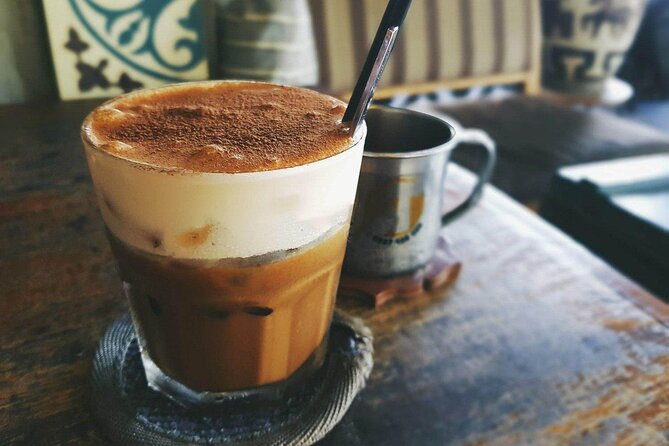
This workshop is structured to be fully hands-on. You’ll use coffee making tools, follow an English-speaking guide, and make the drinks during the session rather than only at the end.
A few details matter because they affect how well you can repeat it later:
- Clear instruction while you build each drink
- Time to brew and taste so you understand what went right
- A modern, clean environment that keeps the class moving smoothly
In the class feedback, many people mention receiving a PDF with instructions at the end. That’s a big deal for value. Recipes tend to be easy to forget. Having a written reference helps you recreate the flavors when you’re back home and staring at your own kitchen instead of a Vietnamese workspace.
Also, the workshop’s promise is practical: you’ll learn methods to make Vietnamese coffee without needing an expensive machine. You’ll mainly be using the tools and process taught in class, which is exactly what you want from a coffee workshop.
The optional lunch and cooking class payoff
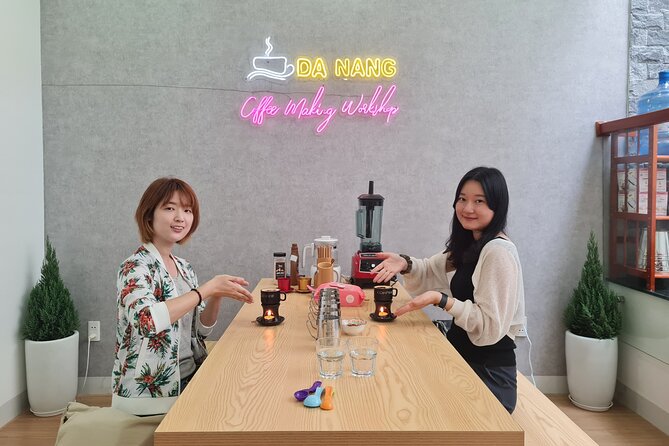
If you choose the lunch or cooking options, the meal isn’t random. It sets you up for coffee, especially because you’ll likely drink more than you expect during a tasting-focused class.
Lunch menu: snack-friendly and coffee-friendly
Fresh spring rolls are light. That’s useful when coffee is coming next. Bánh xèo and mango salad with shrimp and pork add variety—savory, crunchy, tangy. And if you’re doing Option 2, a vegetarian option is available, which helps if you don’t eat meat.
Cooking class menu: you get regional Vietnamese comfort
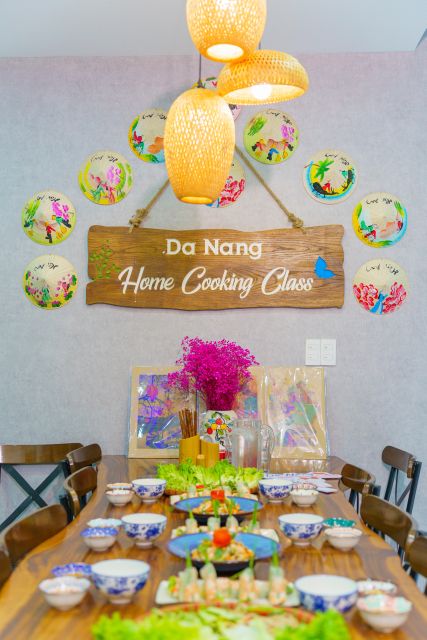
The longer option turns the day into an eating lesson. On some days you’ll cook Quang Noodle and green papaya salad with shrimp, and on others you’ll make Pho and bánh xèo and fresh spring rolls.
Even if you don’t cook after you leave, it helps you understand Vietnamese food logic: balancing acid, salt, herbs, and texture. That context makes the coffee flavors easier to appreciate, because Vietnamese cuisine tends to build complexity through contrast.
Price and value: is $17 a fair deal in Da Nang?
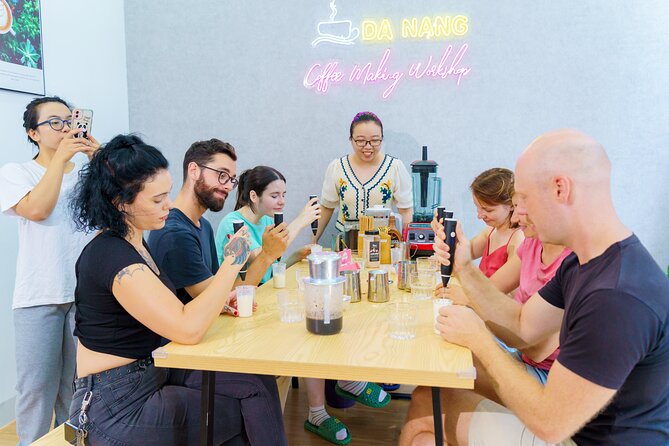
At $17 per person, this workshop is priced like a hands-on cultural activity, not a fancy tasting tour. The value comes from two things: you learn a technique and you get to drink what you make.
In the basic version, you’re getting instruction plus tools plus four coffee styles. That’s a lot more than a single “sample and leave” experience.
When you add lunch (Option 2) or cooking (Option 3), value shifts even further. You’re not just paying for coffee. You’re paying for a full food-and-coffee lesson with a guided meal before or during the session. For many people, that’s exactly what turns a day in Da Nang from casual to memorable.
The one financial caveat: pick-up and drop-off aren’t included. If you need transport, budget for it separately.
Practical tips so your coffee-making doesn’t fall apart
Here’s how to set yourself up for a smoother class.
First, don’t arrive empty-handed if you’re sensitive to caffeine. One piece of feedback highlights that if you finish all the coffees you make, it can be similar to a heavy caffeine day. If that’s you, eat first or slow down your sipping.
Second, plan for eggs and milks because the class menu contains them. If you have a dairy intolerance, don’t guess—ask what options are possible. One review mentioned the guide took lactose intolerance seriously and made sure there was an alternative.
Third, wear or bring something comfortable. Even though it’s a workshop, you’ll be standing and moving as you prepare drinks. It’s not a sit-back lecture.
Finally, take advantage of the instructions you leave with. If the workshop gives you a PDF (many people report getting one), keep it on your phone for quick reference later. That’s how you get real value out of a one-time class.
Who should book this workshop
This is a great fit if you:
- Want a hands-on Vietnamese food and drink experience in Da Nang
- Love coffee and want to learn the “how,” not just taste the “what”
- Travel with a small group or solo and like interacting while learning
- Prefer a class with an English-speaking guide and clear steps
If you’re short on time, go with the 90-minute option. If you want to turn it into a half-day plan, choose the lunch version. If you want the biggest cultural payoff, add the cooking class.
Should you book the Da Nang Coffee Making Workshop?
Yes, if you like learning by doing and you want the kind of experience you can repeat at home. The strongest reason to book is the combination of multiple iconic coffee styles plus real instruction using tools, not just tasting.
Choose your session based on your stomach and your schedule. If caffeine makes you nervous, start with Option 1 or Option 2 after lunch. If you want maximum value in one morning, Option 3 can feel like a full Vietnamese food day with coffee at the center.
FAQ
FAQ
How long is the Da Nang coffee making workshop?
The experience runs from 90 minutes up to 5 hours, depending on which option you pick.
What coffee types do you learn to make?
You learn to make egg coffee, salt coffee, coconut coffee, and phin coffee.
Are there lunch options?
Yes. The package that includes lunch (Option 2) includes lunch before the coffee class. The lunch menu includes fresh spring rolls, crispy Vietnamese pancakes, and mango salad with shrimp and pork, and a vegetarian option is available.
What is included in the class price?
Included are coffee making tools, making four types of coffees, an instructor and English-speaking guide, and lunch for the package that includes lunch.
Does the workshop include pick-up and drop-off?
No. Pick-up and drop-off are not included.
Is the class suitable if I avoid eggs or milk?
The menu contains eggs and milks. If you have dietary needs, you should plan ahead and check options with the provider.
More Workshops in Da Nang
- 5 Dishes Cooking Class with Market Trip in Da Nang
★ 5.0 · 466 reviews - Da Nang Authentic Home Cooking Class
★ 5.0 · 354 reviews - 5 traditional dishes Da Nang cooking class with market trip
★ 5.0 · 331 reviews - Da Nang Cooking Class with Coffee Tasting and Market Visit
★ 5.0 · 310 reviews - Hoi An: Lantern Making, Basket Boat, and Cooking Class
★ 4.9 · 233 reviews - RICE PAPER Noodle Making Experience & Hoi An Cooking Class Class
★ 5.0 · 164 reviews
More Tour Reviews in Da Nang
- Da Nang: Lady Buddha, Marble Mountains, and Am Phu Cave Tour
★ 4.7 · 3,373 reviews - Full Day Golden Bridge and Ba Na Hills Small Group Tour
★ 5.0 · 2,369 reviews - From Da Nang/Hoi An: Golden Bridge Ba Na Hills Full-Day Tour
★ 4.7 · 1,737 reviews - Da Nang: Han River Local Cruise by Night
★ 4.1 · 1,152 reviews - Da Nang: Golden Bridge, Lady Buddha, Marble Mt & Am Phu Cave
★ 5.0 · 1,147 reviews - Morning Small group to Marble Mountains – Am Phu Cave – Monkey Mountain
★ 5.0 · 1,097 reviews
The Da Nang Coffee Table
- Da Nang Cooking Class with Coffee Tasting and Market Visit
★ 5.0 · 310 reviews - DaNang Farm-to-Table Cooking Class with Market and Coffee Tasting
★ 5.0 · 131 reviews - Da Nang Coffee Making Workshop
★ 5.0 · 26 reviews - Coffee Making and Cooking Class
★ 5.0 · 12 reviews - Da Nang Vegetarian Cooking and coffee Class
★ 4.6 · 11 reviews - Da Nang Coffee Making and Banh Mi Class
★ 5.0 · 11 reviews
Just Added: The Newest Da Nang Reviews





Da Nang Coffee Workshops, side by side.
 ★ 5.0Da Nang Cooking Class with Coffee Tasting and Market VisitFrom $45310 reviews
 ★ 5.0DaNang Farm-to-Table Cooking Class with Market and Coffee TastingFrom $60131 reviews
 ★ 5.0Da Nang Coffee Making WorkshopFrom $1726 reviews
 ★ 5.0Coffee Making and Cooking ClassFrom $1712 reviews
 ★ 4.6Da Nang Vegetarian Cooking and coffee ClassFrom $1711 reviews
 ★ 5.0Da Nang Coffee Making and Banh Mi ClassFrom $3511 reviews
 ★ 5.0Coffee Making And Cooking ClassFrom $507 reviews
 ★ 5.0Da Nang Coffee Making and Vietnamese Home Cooking ClassFrom $607 reviews
Lists featuring this tour