
REVIEW · DA NANG COOKING CLASSES
Da Nang: Coffee Making And Cooking Class
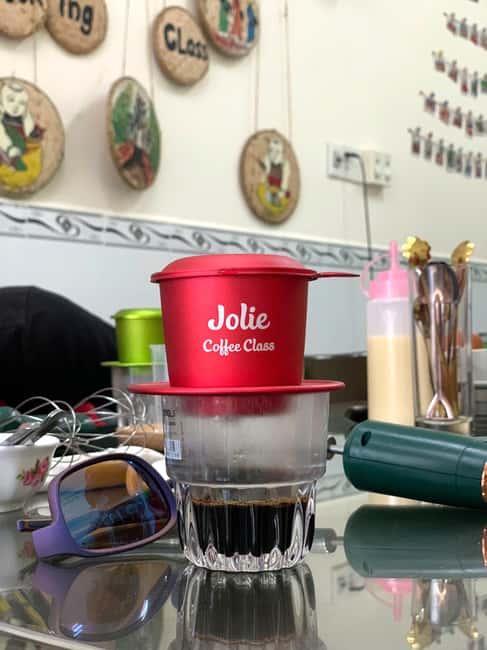
Coffee in Da Nang comes with a slow ceremony. This hands-on class turns Vietnamese coffee habits into something you can actually repeat, from phin brewing to three signature cups like egg coffee, coconut coffee, and salt coffee. I like the fact that it’s both a coffee lesson and a real cooking session in a home-style kitchen. The one thing to consider: you’ll taste multiple coffees, so if caffeine hits you hard, go easy beforehand.
I also like the teaching vibe. English is clear, the staff are friendly, and the pace is relaxed enough to ask questions without feeling rushed. Names I’ve seen connected with this class include Rosie, Nhan, Hannah, and Kate, and the common thread is patience and good explanations.
If you have heart problems, this activity may not be a fit because of the caffeine element. Otherwise, it’s a very practical way to spend half a day: learn techniques, cook your meal, and leave with a new routine for your next café stop.
In This Review
- Key things I’d circle before you book
- Vietnamese coffee in Da Nang, taught the practical way
- Your exact 4.5-hour timeline (two start times)
- Start: meet, snack, and coffee culture
- Hands-on coffee brewing and tasting
- Cooking time: make the dishes you’ll eat
- Eat your meal, then head back
- Egg coffee, salt coffee, and coconut coffee: what you’ll learn
- Egg coffee
- Salt coffee
- Coconut coffee
- Inside Jolie Cooking Class: a homey kitchen setup, not a factory tour
- Da Nang cooking practice: from chopping to eating
- Where to meet, and how to plan your day near Dragon Bridge
- Timing tip
- Price and value: is $50 for 4.5 hours fair?
- Who should book this coffee and cooking class
- Practical tips so your class goes smoothly
- Should you book Jolie Cooking Class in Da Nang?
- FAQ
- How long is the Da Nang coffee making and cooking class?
- What are the start times?
- What coffee types will I learn and taste?
- Is the instructor English-speaking?
- Is the venue wheelchair accessible?
- What should I bring?
- Is it suitable for everyone?
Key things I’d circle before you book
- Phin filter practice: you learn the slow-brewing method tied to Vietnamese coffee culture.
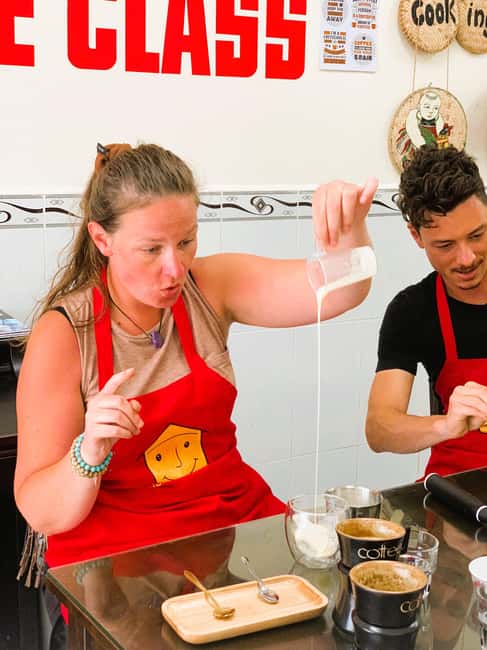
- Three signature coffee styles: egg, salt, and coconut, with tasting built into the class.
- Hands-on Da Nang cooking: you chop and cook, not just watch from the sidelines.
- Small-group feel: you get more personal attention and can keep asking questions.
- Convenient meeting point near Dragon Bridge: Jolie Cooking Class is easy to find.
- A full 4.5-hour block: coffee, then cooking, then eating what you made.
Roll up your sleeves at another Da Nang cooking class
- 5 Dishes Cooking Class with Market Trip in Da Nang★ 5.0 · 466 reviews
- Da Nang Authentic Home Cooking Class★ 5.0 · 354 reviews
- 5 traditional dishes Da Nang cooking class with market trip★ 5.0 · 331 reviews
- Hoi An: Lantern Making, Basket Boat, and Cooking Class★ 4.9 · 233 reviews
Vietnamese coffee in Da Nang, taught the practical way
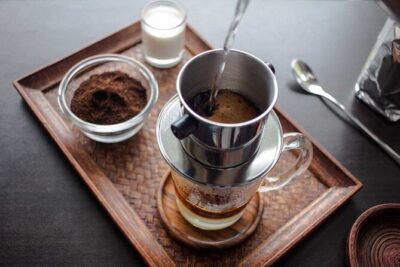
Vietnamese coffee is often described as strong, sweet, and a little mysterious. The real trick is how it’s made. Here you learn the method behind the taste: the role of Robusta beans and why the phin filter matters.
The class is built around a simple idea: if you understand the steps, you can stop guessing. You’ll see how the coffee sits and drips slowly, how the brewing timing affects flavor, and how each style changes the final cup. You don’t just sample coffee like it’s a product. You learn it like a technique.
Da Nang is a smart place to take this. The city is known for coffee culture, and the class frames the drinks in that local context. It’s not just recipes. You hear the stories behind different coffee types and how people drink them in everyday Vietnamese café life.
Your exact 4.5-hour timeline (two start times)
This is a half-day experience, offered twice. Plan around your morning or afternoon energy.
Start: meet, snack, and coffee culture
- 8:30 AM or 2:00 PM: you meet at Jolie Cooking Class, then get a local snack and the coffee-culture intro.
- You’ll also get set up with what to expect and what you’ll taste and cook later.
This early snack matters more than you might think. Coffee tasting comes soon, and the class notes it’s best not to overdo caffeine before you arrive. A small snack helps you enjoy the tasting instead of feeling jittery on day one.
Hands-on coffee brewing and tasting
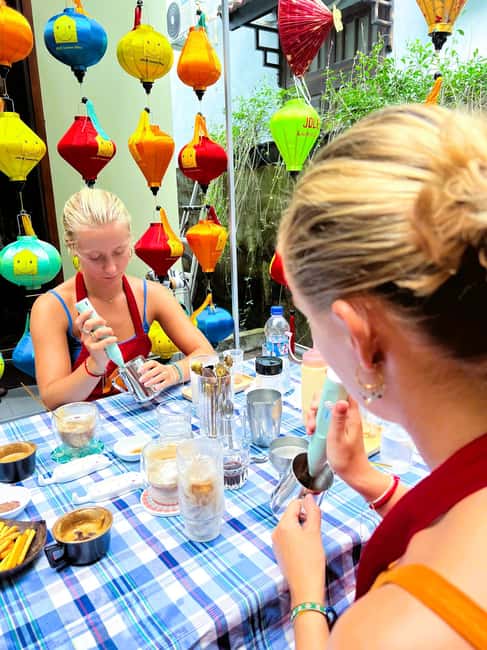
- 8:45 AM or 2:15 PM: you start brewing with a traditional phin filter.
- Then you taste different styles: egg coffee, salt coffee, and coconut coffee.
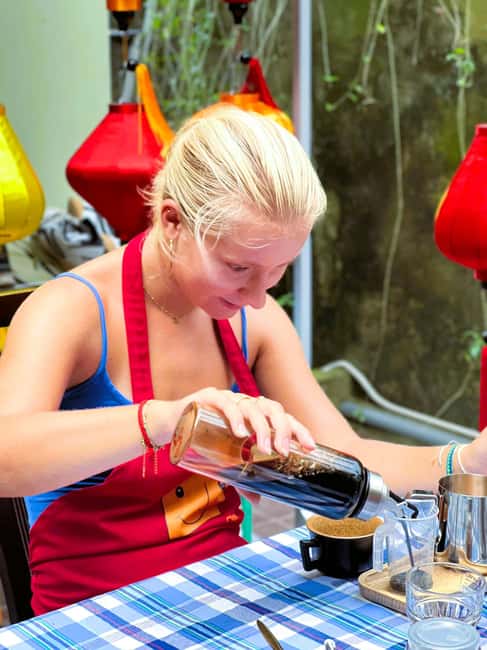
This section is the heart of the experience. The phin brewing method is slow by design. That slow pace gives you time to notice what’s happening: how the coffee filters, how sweetness and texture show up, and how each variation changes the cup.
The class also emphasizes why Vietnamese coffee leans on Robusta. That helps you understand the “why” behind the stronger flavor profile. If you’re the type who loves learning the reason behind a recipe, this part will click.
More Vietnamese coffee to sit down with
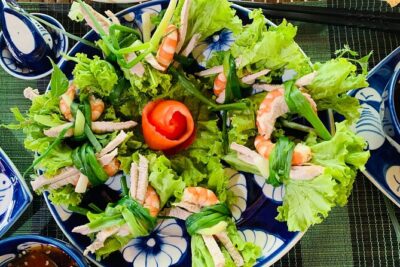
Cooking time: make the dishes you’ll eat
- 10:30 AM or 4:00 PM: it’s kitchen time.
- You cook in a home-style setting, with hands-on guidance.
You’re not sent to the sidelines. The goal is participation, from chopping ingredients to assembling and cooking. One person described making multiple dishes all the way through prep, not just mixing a sauce and calling it cooking. Even if your menu varies, expect real involvement.
Eat your meal, then head back
- 1:00 PM or 6:30 PM: you enjoy the food you cooked.
- There’s also a playful extra: if you can, you can play guitar or piano, then you return to your accommodation.
That small extra turns the end of class into more than a meal. It’s a friendly, at-home kind of finish rather than a quick “here’s your plate, goodbye” approach.
Egg coffee, salt coffee, and coconut coffee: what you’ll learn
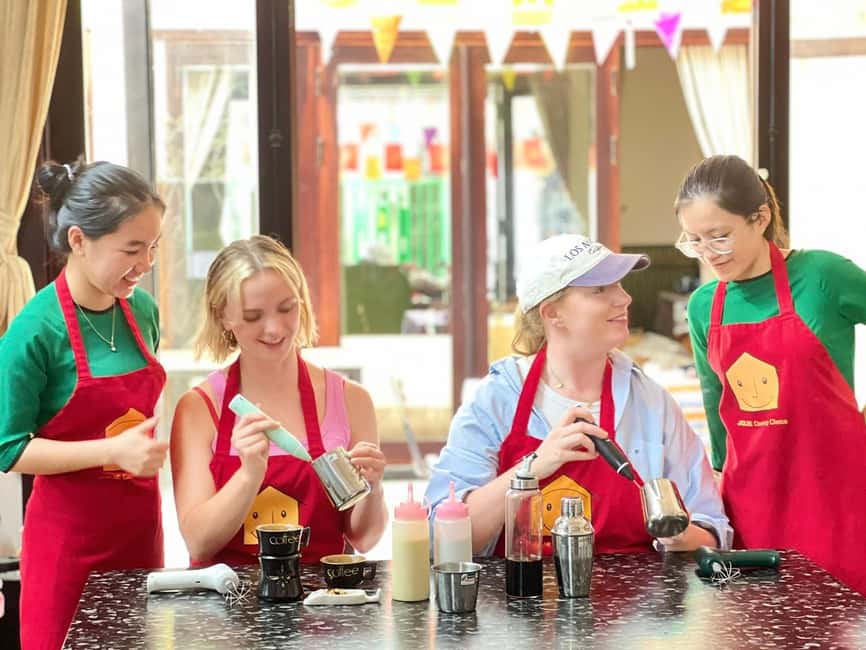
The class focuses on three Da Nang favorites. Here’s why they’re worth your attention, and what to watch for during tasting.
Egg coffee
Egg coffee is known for its creamy top and custard-like foam texture. What you’re really learning is how Vietnamese coffee becomes a dessert-style drink without losing its strong coffee base. You’ll likely pay attention to how ingredients combine and how the final texture stays smooth.
Salt coffee
Salt coffee sounds unusual until you taste it. The point isn’t salty as a snack. It’s balancing the sweetness and bringing out coffee flavors in a more rounded way. During the tasting, you’ll get a feel for how a small change shifts the entire cup.
Coconut coffee
Coconut coffee is about aroma and mellow flavor. You’re learning how coconut interacts with the coffee’s intensity. If you’re not sure whether you’ll like “strong coffee,” this one can help you ease into the taste without giving up the Vietnamese coffee style.
Across all three, the pacing is important. You brew slowly, taste, and learn how the cup changes rather than rushing through samples. You’ll leave knowing how to order more confidently back in cafés, because you’ll understand what makes each type different.
Inside Jolie Cooking Class: a homey kitchen setup, not a factory tour
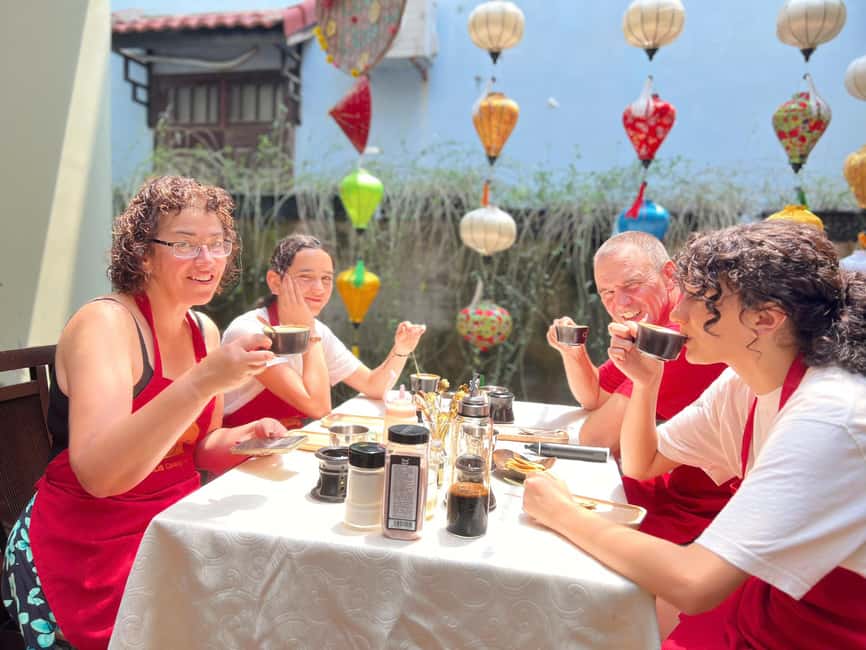
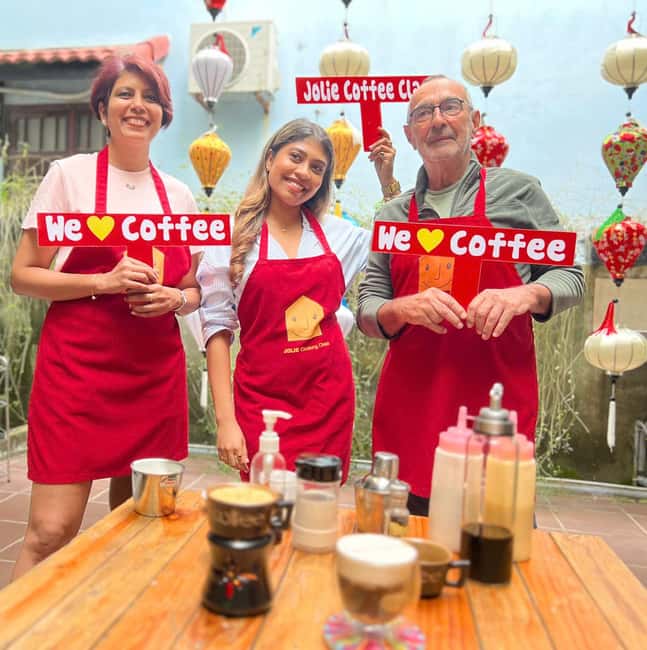
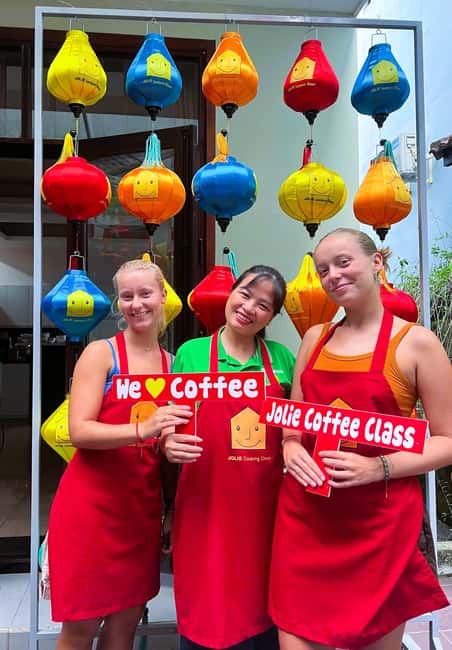
This isn’t the kind of cooking class where you’re herded in and out. The tone is welcoming and home-style, which matters when you’re trying to learn both coffee technique and cooking skills in one session.
The group size is kept small, which helps you get direct attention. That means if you’re unsure about chopping, timing, or how a coffee step should look, you can ask. The class is also in English, so you’re not stuck translating on the fly while your hands are in the middle of a recipe.
From the experiences shared, guides like Rosie, Nhan, Hannah, and Kate come through as especially helpful and friendly. One theme you’ll appreciate is clear communication paired with patience. If you make a mistake, the instruction stays calm and practical instead of turning it into a classroom embarrassment.
Da Nang cooking practice: from chopping to eating
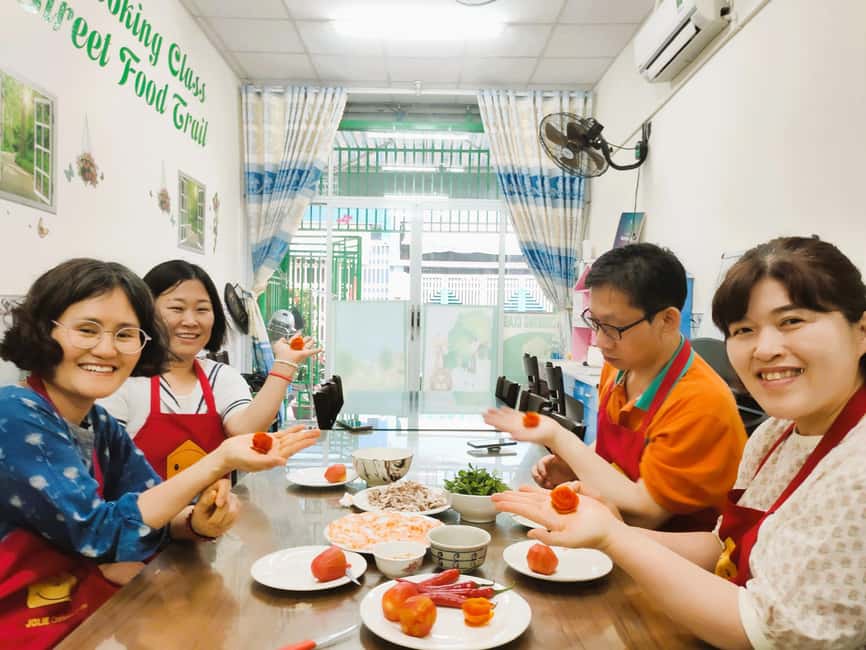
Coffee gets the early attention, but the second half is where you leave with something tangible: a meal you cooked yourself.
You’ll learn traditional Da Nang dishes in a welcoming setting. The cooking part is designed as guided work. Expect to chop ingredients and participate in prep steps, then cook and plate your own meal.
Why this matters: learning techniques in a real kitchen beats memorizing a recipe. Even if you don’t cook the exact same dish at home tomorrow, you’ll take away the method mindset. You’ll know how Vietnamese cooking often builds flavor, and you’ll understand how to handle ingredients instead of treating them like mysteries.
At the end, you sit down and eat what you made. That’s also a helpful feedback loop. If something tasted “off” during cooking, you immediately see the final outcome and can connect cause and effect.
Where to meet, and how to plan your day near Dragon Bridge
Jolie Cooking Class is at 14 An Trung Dong 6, Da Nang, near Dragon Bridge. The coordinates are about 16.0600, 108.2354, which should help if you’re using a map app.
Because it’s so close to a major landmark, you can build your day around it easily. I like that the meeting point is not buried in a distant neighborhood. You can combine it with a casual walk before or after, especially if you start in the morning. If you start at 2:00 PM, you can keep your morning light and then have this as your activity anchor.
Timing tip
Since the class includes multiple coffee tastings, try not to load up on caffeine before you go. The class specifically recommends not consuming too much ahead of time so you can fully enjoy the tasting.
Also dress for comfort. You’ll be moving around the kitchen. Bring a camera if you want to capture the setup and the hands-on steps.
Price and value: is $50 for 4.5 hours fair?
At $50 per person for about 4.5 hours, you’re paying for two things that are hard to combine in one experience: a guided coffee workshop and an actual cooking lesson with lunch or dinner baked in.
Here’s why it feels like good value:
- You get structured coffee training (phin brewing plus tastings of egg, salt, and coconut).
- You get a real cooking session with prep work and then a meal you cooked.
- You’re not likely to be stuck in a huge group line. The class runs with a small-group setup, which tends to make a difference when you’re learning by doing.
- It’s English-taught, which reduces the friction of learning complex steps.
A fair warning: you’re also choosing a coffee-and-caffeine experience. If you’re not interested in coffee, you might find the first half less exciting than the cooking portion. But if you even have a mild curiosity about Vietnamese coffee, the phin brewing practice and the flavor logic are the main payoff.
Who should book this coffee and cooking class
This is a great fit if you want more than a generic cooking demo.
You’ll likely enjoy it if:
- You’re a beginner who wants clear steps for coffee and cooking.
- You want to taste three distinct Vietnamese coffee styles and understand why they differ.
- You like hands-on learning, not sitting quietly while someone else works.
- You want a small-group feel with time to ask questions.
You might reconsider if:
- Caffeine and heart conditions are an issue for you. The class isn’t suitable for people with heart problems.
- You’re sensitive to caffeine and tend to feel unwell from strong coffee. In that case, plan lighter beforehand and be realistic about tasting.
It’s also described as children friendly, and the instructor is English-speaking. The venue is wheelchair accessible, which makes it more inclusive than many small cooking spots.
Practical tips so your class goes smoothly
- Don’t overdo caffeine before you arrive. You want to taste and enjoy, not just survive the jitters.
- Wear comfortable clothing. You’ll be in a kitchen environment and likely moving a bit.
- Come ready for food. The schedule ends with you eating what you cooked.
- Bring a camera if you want to document the coffee setup and cooking process.
- Be ready to participate. If you only want to observe, this may feel like too much “do it yourself.”
And one more small strategy: take notes on coffee steps, not just recipes. Brewing method is the part you’ll use again when you want to order with confidence back in Vietnam or try it at home.
Should you book Jolie Cooking Class in Da Nang?
If you’re choosing between a coffee stop and a cooking class, this is a smarter match than doing either one halfway. You get phin filter brewing training, taste three famous Vietnamese coffee styles, then you cook and eat Da Nang dishes in the same 4.5-hour block.
I’d book it if you want a relaxed, hands-on half day with English support, small-group attention, and a meal that feels earned. I’d skip it if caffeine is a deal-breaker for your health or if you only want cooking and not coffee.
FAQ
How long is the Da Nang coffee making and cooking class?
The class runs for 4.5 hours.
What are the start times?
It operates at 8:30 AM and 2:00 PM.
What coffee types will I learn and taste?
You’ll learn and taste Vietnamese coffee styles including egg coffee, salt coffee, and coconut coffee, using a traditional phin filter.
Is the instructor English-speaking?
Yes, the instructor teaches in English.
Is the venue wheelchair accessible?
Yes, it is wheelchair accessible.
What should I bring?
It’s recommended to bring a camera, and you should wear comfortable clothing.
Is it suitable for everyone?
The activity is children friendly and not suitable for people with heart problems.
More Tour Reviews in Da Nang
- Da Nang: Lady Buddha, Marble Mountains, and Am Phu Cave Tour
★ 4.7 · 3,373 reviews - Full Day Golden Bridge and Ba Na Hills Small Group Tour
★ 5.0 · 2,369 reviews - From Da Nang/Hoi An: Golden Bridge Ba Na Hills Full-Day Tour
★ 4.7 · 1,737 reviews - Da Nang: Han River Local Cruise by Night
★ 4.1 · 1,152 reviews - Da Nang: Golden Bridge, Lady Buddha, Marble Mt & Am Phu Cave
★ 5.0 · 1,147 reviews - Morning Small group to Marble Mountains – Am Phu Cave – Monkey Mountain
★ 5.0 · 1,097 reviews
The Da Nang Coffee Table
- Da Nang Coffee Making Workshop
★ 4.9 · 543 reviews - Da Nang Cooking Class with Coffee Tasting and Market Visit
★ 5.0 · 310 reviews - DaNang Farm-to-Table Cooking Class with Market and Coffee Tasting
★ 5.0 · 131 reviews - Da Nang Coffee Making Workshop
★ 5.0 · 26 reviews - Coffee Making and Cooking Class
★ 5.0 · 12 reviews - Da Nang Vegetarian Cooking and coffee Class
★ 4.6 · 11 reviews
Aprons On in Da Nang
- 5 Dishes Cooking Class with Market Trip in Da Nang
★ 5.0 · 466 reviews - Da Nang Authentic Home Cooking Class
★ 5.0 · 354 reviews - 5 traditional dishes Da Nang cooking class with market trip
★ 5.0 · 331 reviews - Da Nang Cooking Class with Coffee Tasting and Market Visit
★ 5.0 · 310 reviews - Hoi An: Lantern Making, Basket Boat, and Cooking Class
★ 4.9 · 233 reviews - RICE PAPER Noodle Making Experience & Hoi An Cooking Class Class
★ 5.0 · 164 reviews
Just Added: The Newest Da Nang Reviews




Da Nang Cooking Classes, side by side.
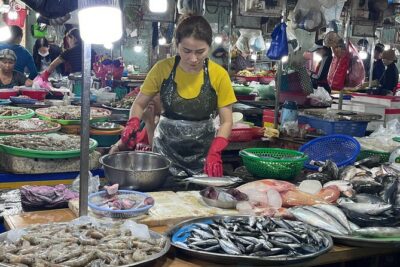 ★ 5.05 Dishes Cooking Class with Market Trip in Da NangFrom $39466 reviews
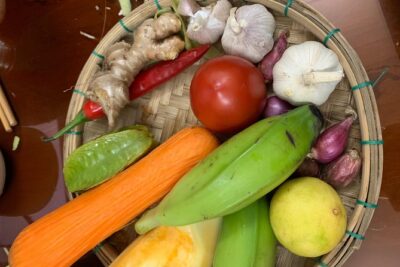 ★ 5.0Da Nang Authentic Home Cooking ClassFrom $36354 reviews
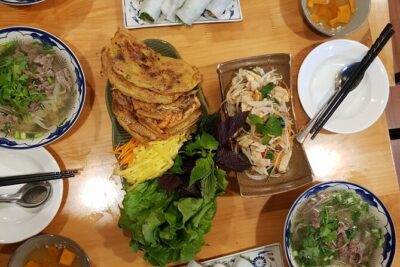 ★ 5.05 traditional dishes Da Nang cooking class with market tripFrom $39331 reviews
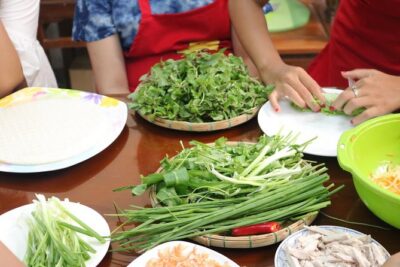 ★ 5.0Da Nang Cooking Class with Coffee Tasting and Market VisitFrom $45310 reviews
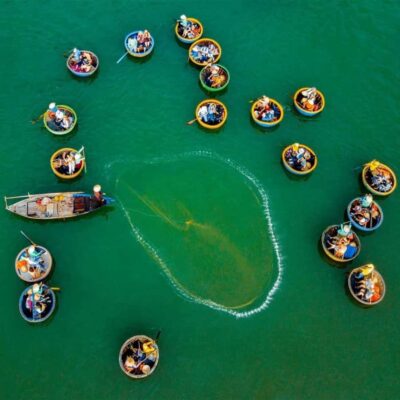 ★ 4.9Hoi An: Lantern Making, Basket Boat, and Cooking ClassFrom $15233 reviews
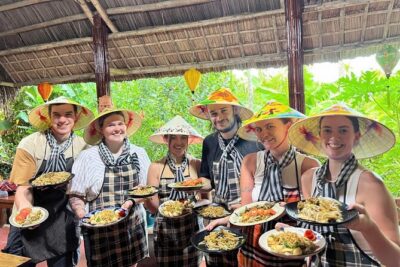 ★ 5.0RICE PAPER Noodle Making Experience & Hoi An Cooking Class ClassFrom $33164 reviews
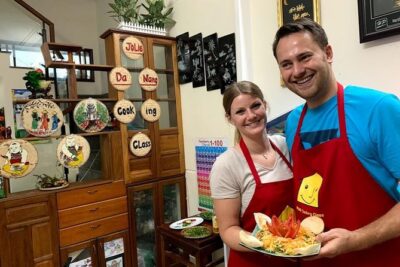 ★ 5.0DaNang Farm-to-Table Cooking Class with Market and Coffee TastingFrom $60131 reviews
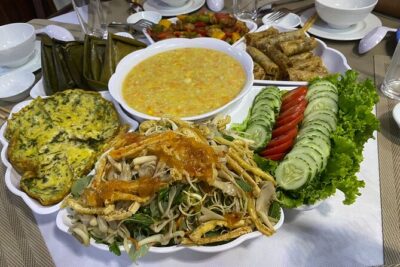 ★ 5.0My Son Sanctuary Guided Tour with Rice Paper Making from Da NangFrom $27115 reviews
Lists featuring this tour