
REVIEW · DA NANG COOKING CLASSES
DaNang Farm-to-Table Cooking Class with Market and Coffee Tasting
A great meal starts outside the kitchen. This Da Nang farm-to-table cooking class blends a vegetable village walk, coffee tasting, and market shopping before you cook and eat. I like that you get step-by-step help from instructors who speak English and French, and I also like the small-group size, max 10 people, which keeps the questions coming. A small drawback: there’s no hotel pickup, so you’ll need to get yourself to the start point at 9 Hàm Tử, Bắc Mỹ Phú, Ngũ Hành Sơn.
The day is paced so you don’t just watch you cook. You’ll see how herbs and produce are grown, learn what ingredients matter in Vietnamese everyday cooking, and then eat a relaxed family-style lunch you made yourself. One more thing to consider: it’s about 4 hours 30 minutes, so wear comfortable shoes and plan on a bit of walking and standing.
In This Review
- Key takeaways
- A Farm-to-Table Day in Da Nang: what the 4.5 hours really covers
- Vegetable Village Walk: learning herbs the practical way
- Coffee Tasting and Han Market Shopping for everyday ingredients
- Inside the Kitchen: hands-on cooking with English and French support
- What You’ll Eat (and take home): Vietnamese flavors you can recreate
- Price and Logistics: is $60 worth it, and what you need to plan
- Should You Book This Cooking Class in Da Nang?
- FAQ
- How long is the Da Nang farm-to-table cooking class?
- How much does it cost?
- Is this a small-group experience?
- What’s included in the price?
- Do I get picked up from my hotel?
- Where does the tour start and end?
- What languages do the guides speak?
- Is coffee included?
- Do I need to bring ingredients or cooking supplies?
- What is the cancellation policy?
Key takeaways
- Farm and herb time first: you start at a nearby vegetable village to learn why fresh leaves matter in Vietnamese cooking
- Market skills, not just sightseeing: you shop for essential ingredients like a local, then use what you bought in the kitchen
- Vietnamese coffee included: you’ll taste Vietnamese coffee before cooking, and it sets a nice rhythm for the day
- Small-group attention: with a maximum of 10 travelers, the instructors can actually answer your questions
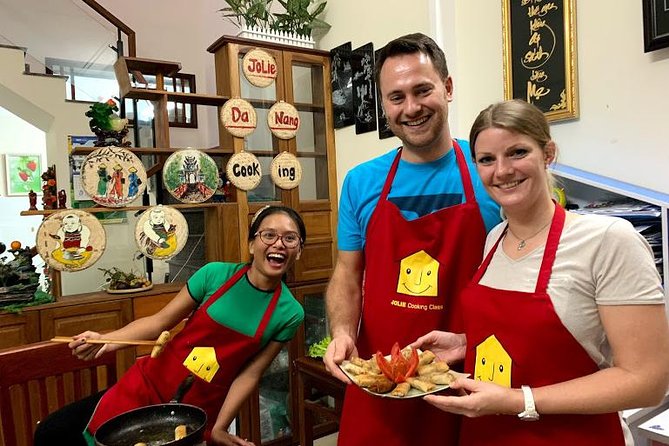
- Hands-on, step-by-step lunch: you cook in a welcoming home setting and then eat what you made
Roll up your sleeves at another Da Nang cooking class
- 5 Dishes Cooking Class with Market Trip in Da Nang★ 5.0 · 466 reviews
- Da Nang Authentic Home Cooking Class★ 5.0 · 354 reviews
- 5 traditional dishes Da Nang cooking class with market trip★ 5.0 · 331 reviews
- Hoi An: Lantern Making, Basket Boat, and Cooking Class★ 4.9 · 233 reviews
A Farm-to-Table Day in Da Nang: what the 4.5 hours really covers
This experience is built like a full food day, not a quick demo. Expect a sequence that makes sense: you learn where ingredients come from, you pick the ingredients at the market, you taste Vietnamese coffee, then you cook your own homemade Vietnamese lunch and eat it right away.
The big value here is context. It’s easy to follow a recipe when the ingredients are already lined up for you. It’s harder to know what to buy and why. The market stop and the herb/vegetable village walk fill that gap, so you leave with more than a full stomach.
Timing-wise, plan on about 4 hours 30 minutes total. The pace includes short walks, time at the market, and a hands-on cooking session. If you like being busy with a purpose, you’ll enjoy this. If you’re hoping for a totally low-effort, sit-down tour, you might find the format a bit active.
Also, everything practical is handled. You get transportation during the experience, plus the ingredients, equipment, and refreshments. What you handle yourself is simply getting to the meeting point at the address in Bắc Mỹ Phú, Ngũ Hành Sơn.
Vegetable Village Walk: learning herbs the practical way
The day starts with a short walk to a nearby vegetable village. You’re not just looking at plants. You’re learning how fresh herbs and produce are grown and how that translates into Vietnamese cooking habits.
This kind of start matters because Vietnamese flavors often depend on fresh leaves and aromatics. If you’ve ever eaten a bowl of something good and thought, I can’t explain why this tastes different, it’s often the herbs. Here, you get to see and ask about those herbs early, before they’re just items on a cutting board.
In the process, you’ll also get a peek at local farming life. Some experiences like this even include meeting the family connected with the garden plot, which adds a human layer you won’t get from a standard market stroll. It also gives you a better sense of what “fresh” means in practice, not just on a food label.
What to watch for: ask questions about leaf selection and how to use herbs. This is the moment where your future self will benefit. When you’re in the market later, you’ll recognize what you learned and shop with more confidence.
The only “consideration” with this first stop is that it involves walking. Wear comfortable shoes. You’ll be standing, moving, and getting close enough to inspect herbs.
Coffee Tasting and Han Market Shopping for everyday ingredients
After the vegetable village, the tour shifts into flavors you’ll actually taste and buy. You’ll have a Vietnamese coffee tasting, then head to the local market to discover essential ingredients used in everyday cooking.
The coffee stop is more than a break. It helps you reset your palate before you start shopping and cooking. Vietnamese coffee has its own style, and having it built into the flow means you’re not fitting it in on your own schedule later.
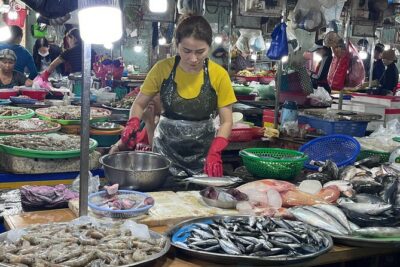
Then comes the market. This is where the day turns from food theory into real-world shopping. You learn what ingredients matter and how to select them, instead of just walking past stalls and taking photos. If you’ve struggled in markets before—standing there unsure what’s worth it—you’ll likely find this part reassuring.
One highlight mentioned in past experiences is the market visit to Han Market, where you can see a wide mix of herbs, produce, and cooking basics. With an instructor guiding you, you learn what to look for and how ingredients translate from stall to recipe.
How to get the most from the market:
- Pay attention to what the instructor points out as essential versus optional
- Ask what substitutions work at home if you can’t find the same herb
- Notice how the chosen ingredients affect texture, not just taste
A nice detail in your favor: the guide speaks English and French, so you can ask direct questions without feeling stuck.
Inside the Kitchen: hands-on cooking with English and French support
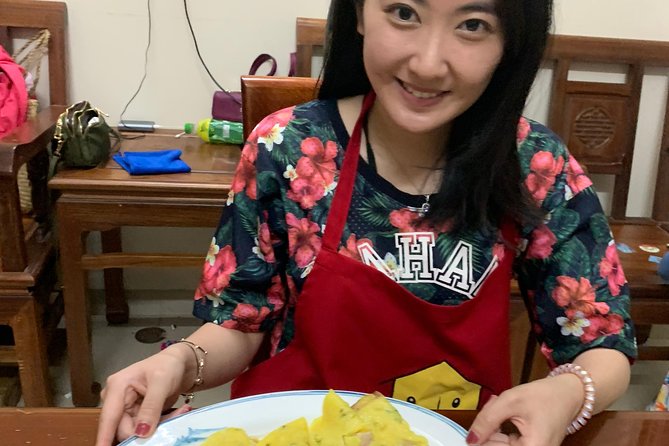
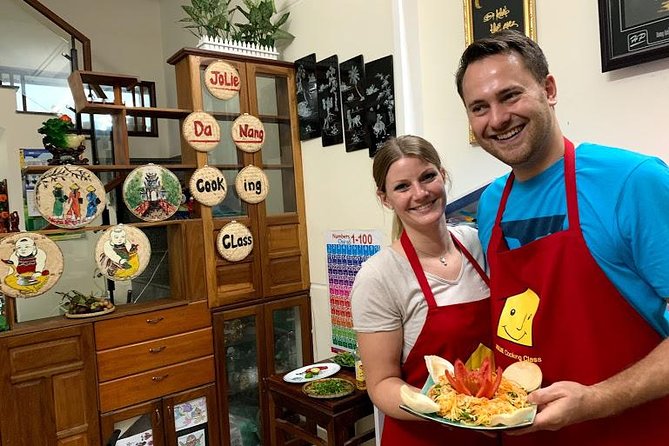
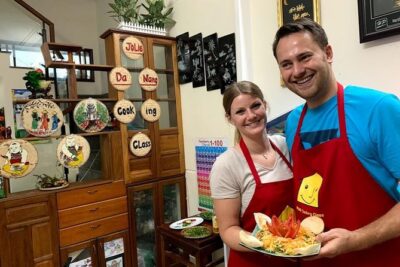
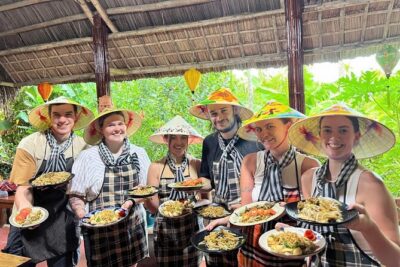
Next you head to a welcoming local home for the hands-on cooking class. This is the part most people sign up for, but it’s also the part that benefits most from what you did earlier.
The structure is step by step, and you cook your meal yourself. That matters because Vietnamese cooking often includes quick work and layering flavors. You’re not just mixing ingredients and calling it a day. You’ll learn technique and timing, then sit down and eat as a group in a relaxed family-style setting.
Instruction quality is a big deal here. Past participants highlighted instructors with high energy and a fun teaching style. In particular, names like Hannah and Blue come up in the teaching experience, and the consistent theme is clear: you can ask questions, and you get answers.
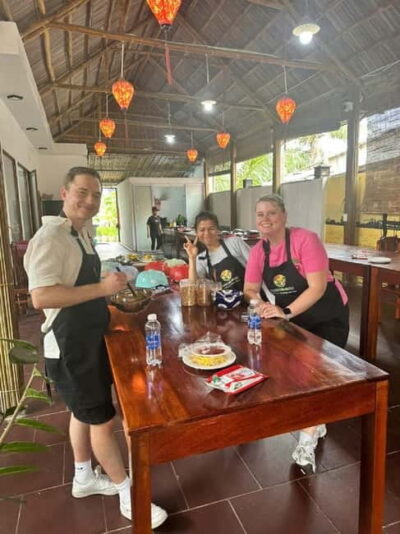
And the kitchen side is organized. People noted that the classroom is clean and well run. That might sound boring, but it affects your confidence. When tools are laid out well and the process is smooth, you spend more time learning and less time figuring out where everything is.
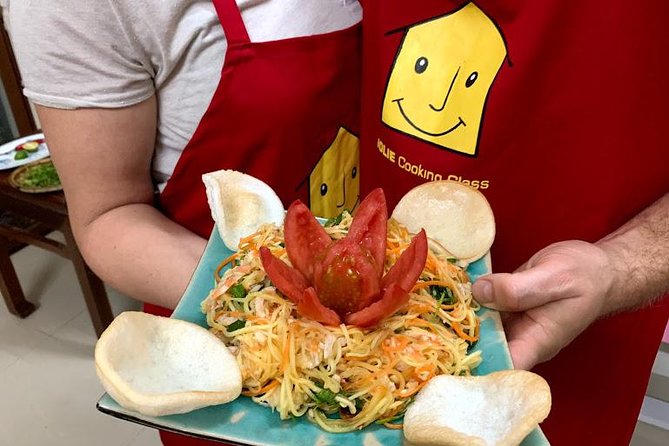
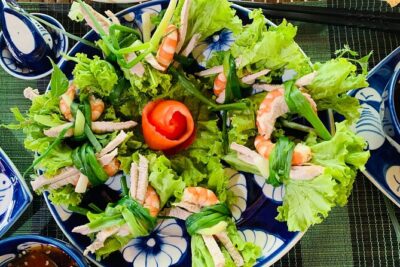
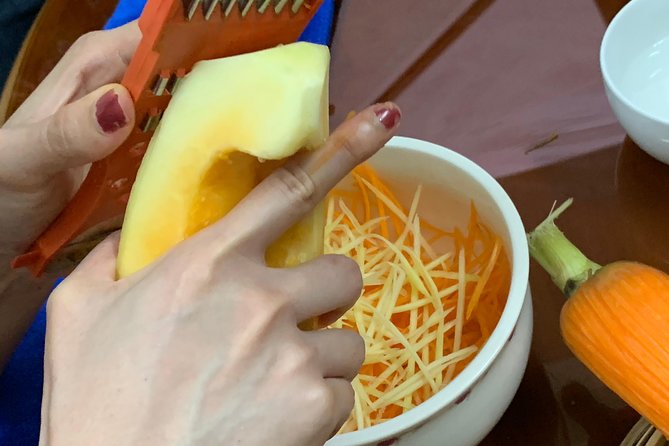
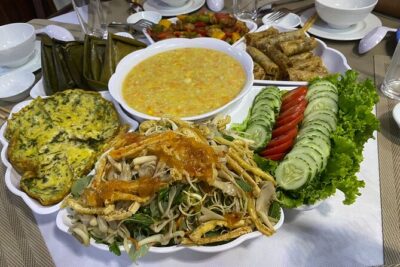
Typical cooking expectation: your class focuses on making a classic Vietnamese homemade dish. Some menus can include dishes such as pho bo, papaya salad, pancake rolls, and aubergine hot pot. Even if your exact menu varies, the skill focus stays similar: you’ll learn how to handle core Vietnamese ingredients and build flavor step by step.
If you’re the kind of person who enjoys chopping and tasting as you go, this is a good fit.
More Vietnamese coffee to sit down with

What You’ll Eat (and take home): Vietnamese flavors you can recreate
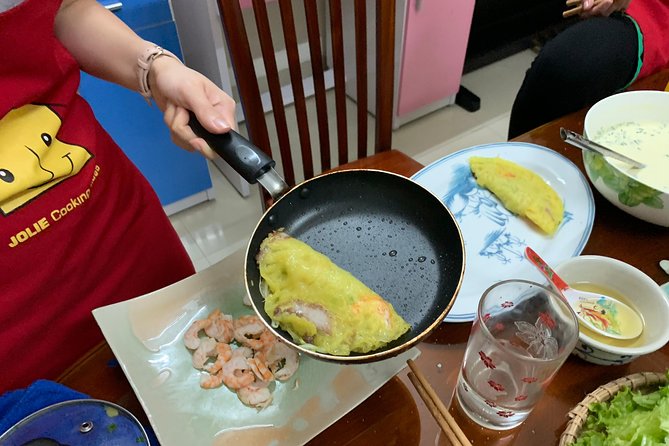
The meal you prepare is the meal you eat. That’s the simplest form of value, because you’re not paying for food you won’t taste. You’ll leave with dishes in your memory that you can actually try again at home.
The flavor profile you’re working toward is classic Vietnamese: light on heavy fat, strong on herbs, and balanced with textures. When you cook the dish yourself, you start to understand what creates that balance—fresh herbs, acidic and savory elements, and often a crunch or chew that makes the dish more than just soup or stew.
The experience is also built to help you talk about Vietnamese cuisine later. The goal isn’t to turn you into a professional cook. It’s to help you confidently explain what you’re making and why it tastes the way it does.
A practical win: because you also shop for ingredients, you’re more likely to recreate the dish instead of giving up when a key herb or ingredient is missing. You’ll know what you tried to buy and what roles those ingredients play.
If you’re eating with others, family-style seating is a plus. It keeps the mood relaxed, and it’s usually easier to compare notes when everyone is working on the same menu. You might also pick up small tips by watching how someone else handles an ingredient.
The only downside to consider is that you’re doing a lot in one block: herbs, coffee, market, cooking, eating. You’ll want to plan the rest of your evening lightly.
Price and Logistics: is $60 worth it, and what you need to plan
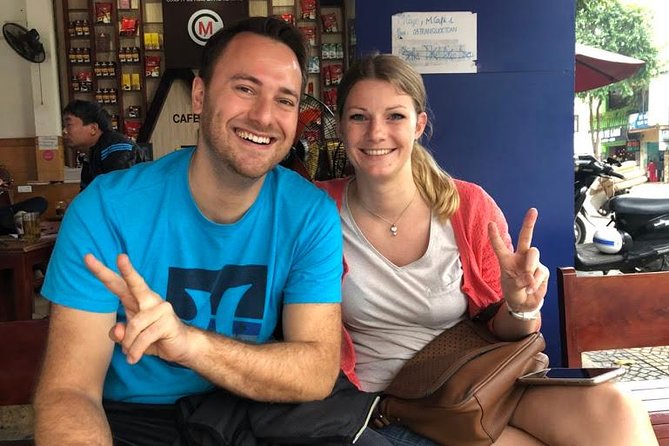
The price is $60 per person for a roughly 4.5-hour experience, and the list of what’s included is long enough to matter: vegetable village and market visit, Vietnamese coffee tasting, hands-on cooking class, all ingredients and equipment, meal, transportation during the experience, and refreshments. It’s also capped at 10 people, which helps the instruction quality.
That bundle is the core value. Cooking classes often charge for teaching but leave shopping and transportation up to you. Here, you’re not doing extra coordination. You also aren’t bringing ingredients or worrying about equipment. It’s a straightforward day for your calendar.
Logistics are the one area you should plan for. There’s no hotel pickup or drop-off, so you’ll want to be able to get to the meeting point at 9 Hàm Tử, Bắc Mỹ Phú, Ngũ Hành Sơn. The good news is that it’s described as near public transportation, and the activity ends back at the meeting point.
You’ll also get a mobile ticket, which is simple: show it on your phone rather than scrambling for paper.
Who this fits best:
- You want to learn Vietnamese cooking in a way that helps you shop correctly
- You like markets, herbs, and learning techniques more than just eating
- You want small-group attention and a guide who speaks both English and French
- You’re okay starting from a set address rather than being picked up at your hotel
If you prefer totally hands-off sightseeing, this may feel like work. If you want to bring skills home, it’s a strong match.
Should You Book This Cooking Class in Da Nang?
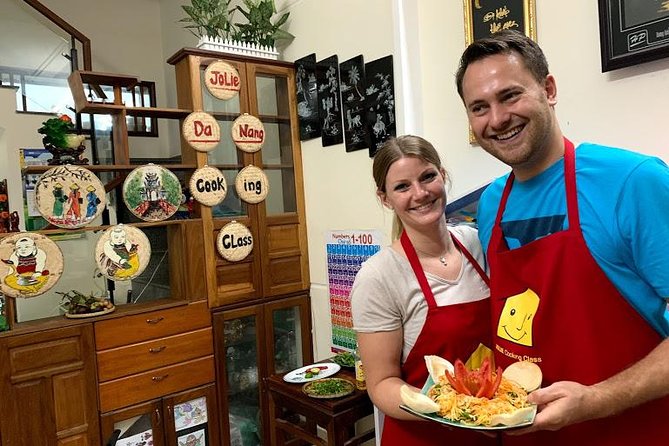
I think this is worth booking if you want more than a meal. The combination of herb learning, market ingredient practice, and hands-on cooking makes it useful. The small-group cap and the English/French support are practical perks that can make a real difference when you have questions.
Book it especially if you enjoy cooking and want a clear path from ingredients to finished food. You’ll leave with flavors you can recognize, and with a better sense of what to look for when you shop later.
Two reasons you might pass or choose a different format: you don’t want to meet at a fixed location (no hotel pickup), or you’d rather spend your Da Nang time on other types of tours that don’t require cooking work.
If your schedule allows, I’d lean toward booking. It’s popular enough that many people plan ahead, with an average booking window of about a month.
FAQ
How long is the Da Nang farm-to-table cooking class?
The experience lasts about 4 hours 30 minutes.
How much does it cost?
It costs $60 per person.
Is this a small-group experience?
Yes. The group size is limited to a maximum of 10 travelers.
What’s included in the price?
Included are the vegetable village and market visit, Vietnamese coffee tasting, the hands-on cooking class, all ingredients and equipment, transportation during the experience, the meal you prepare, refreshments, and the small-group experience.
Do I get picked up from my hotel?
No. Hotel pick up/drop off is not included.
Where does the tour start and end?
It starts at 9 Hàm Tử, Bắc Mỹ Phú, Ngũ Hành Sơn, Đà Nẵng 550000, Vietnam and ends back at the same meeting point.
What languages do the guides speak?
The guide speaks English and French.
Is coffee included?
Yes. The experience includes a Vietnamese coffee tasting.
Do I need to bring ingredients or cooking supplies?
No. All ingredients and equipment are included.
What is the cancellation policy?
You can cancel for a full refund with free cancellation up to 24 hours in advance of the experience start time. If it’s canceled due to not meeting the minimum number of travelers, you’ll be offered a different date/experience or a full refund.
More Tour Reviews in Da Nang
- Da Nang: Lady Buddha, Marble Mountains, and Am Phu Cave Tour
★ 4.7 · 3,373 reviews - Full Day Golden Bridge and Ba Na Hills Small Group Tour
★ 5.0 · 2,369 reviews - From Da Nang/Hoi An: Golden Bridge Ba Na Hills Full-Day Tour
★ 4.7 · 1,737 reviews - Da Nang: Han River Local Cruise by Night
★ 4.1 · 1,152 reviews - Da Nang: Golden Bridge, Lady Buddha, Marble Mt & Am Phu Cave
★ 5.0 · 1,147 reviews - Morning Small group to Marble Mountains – Am Phu Cave – Monkey Mountain
★ 5.0 · 1,097 reviews
The Da Nang Coffee Table
- Da Nang Coffee Making Workshop
★ 4.9 · 543 reviews - Da Nang Cooking Class with Coffee Tasting and Market Visit
★ 5.0 · 310 reviews - Da Nang Coffee Making Workshop
★ 5.0 · 26 reviews - Coffee Making and Cooking Class
★ 5.0 · 12 reviews - Da Nang Vegetarian Cooking and coffee Class
★ 4.6 · 11 reviews - Da Nang Coffee Making and Banh Mi Class
★ 5.0 · 11 reviews
Aprons On in Da Nang
- 5 Dishes Cooking Class with Market Trip in Da Nang
★ 5.0 · 466 reviews - Da Nang Authentic Home Cooking Class
★ 5.0 · 354 reviews - 5 traditional dishes Da Nang cooking class with market trip
★ 5.0 · 331 reviews - Da Nang Cooking Class with Coffee Tasting and Market Visit
★ 5.0 · 310 reviews - Hoi An: Lantern Making, Basket Boat, and Cooking Class
★ 4.9 · 233 reviews - RICE PAPER Noodle Making Experience & Hoi An Cooking Class Class
★ 5.0 · 164 reviews
Just Added: The Newest Da Nang Reviews




Da Nang Cooking Classes, side by side.
 ★ 5.05 Dishes Cooking Class with Market Trip in Da NangFrom $39466 reviews
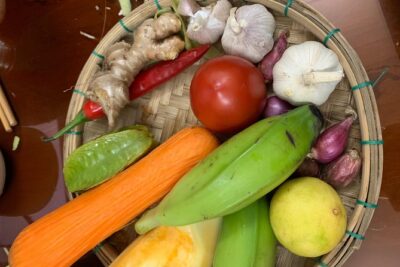 ★ 5.0Da Nang Authentic Home Cooking ClassFrom $36354 reviews
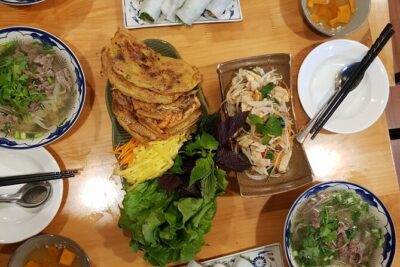 ★ 5.05 traditional dishes Da Nang cooking class with market tripFrom $39331 reviews
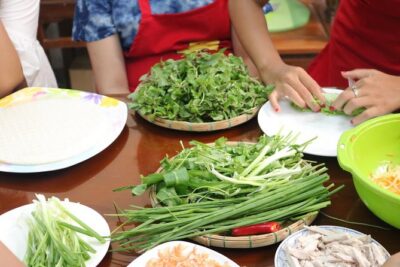 ★ 5.0Da Nang Cooking Class with Coffee Tasting and Market VisitFrom $45310 reviews
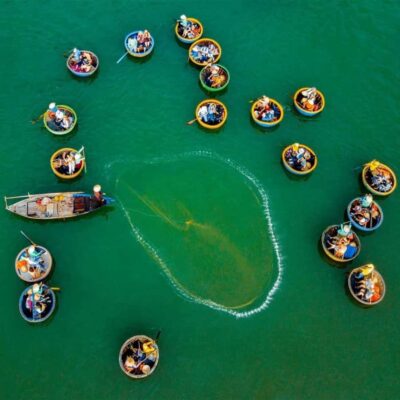 ★ 4.9Hoi An: Lantern Making, Basket Boat, and Cooking ClassFrom $15233 reviews
 ★ 5.0RICE PAPER Noodle Making Experience & Hoi An Cooking Class ClassFrom $33164 reviews
 ★ 5.0My Son Sanctuary Guided Tour with Rice Paper Making from Da NangFrom $27115 reviews
 ★ 4.8Market Tour, Basket Boat Ride & Cooking Class by HangcoconutFrom $1195 reviews
Lists featuring this tour