
REVIEW · HOI AN OLD TOWN DAY TRIPS
RICE PAPER Noodle Making Experience & Hoi An Cooking Class Class
Cooking noodles in a real Vietnamese village sounds good.
You get the hands-on part of Vietnamese cooking, not just a demo, and you also step into small-scale rural life with a coconut-forest boat ride. I especially like the way the day mixes simple, practical skills (rice paper noodle making) with a fun, hands-in-the-action moment like learning to catch purple crabs. One thing to keep in mind: this is an active day, and if you’re picky about getting a little messy or wet, you’ll want to plan accordingly.
Because the group stays small, you’ll actually get attention while you cook. Expect round-trip transfers from Hoi An hotels and a mobile ticket, so the logistics stay simple. At $33.99, you’re paying for a full package of village time plus a cooking session plus a proper meal—good value if you enjoy doing things yourself instead of just watching.
In This Review
- Key highlights worth your attention
- Getting from Hoi An to the countryside without the stress
- Rice paper noodle making in Kim Bong: technique you can repeat
- The cooking class with a working chef (and recipes to take home)
- Coconut palm forest boat ride: where the pace slows
- Learning to catch purple crabs (and turning it into dinner)
- What you eat matters: the value of a connected meal
- Small-group energy: you’ll actually get help
- Price and logistics: is it worth $33.99 for the day you’ll have?
- Who this tour fits best (and who should rethink it)
- Tips to get the most out of your day
- Should you book this Hoi An rice paper noodle and cooking class experience?
- FAQ
- Where does this experience take place?
- How long is the tour?
- Is pickup from Hoi An included?
- What’s the maximum group size?
- What activities are included?
- Do I get the recipes from the cooking class?
- How much does it cost?
- What’s the cancellation policy?
- Should You Book? (Final decision)
Key highlights worth your attention
- Small-group format (kept around 15, with a cap up to 18) so you’re not stuck in the back
- Rice paper noodle making with local help, so you learn technique, not just ingredients
- Chef-led Vietnamese cooking class with recipes you can take home
- Coconut palm forest boat time that breaks up the day with real scenery and calm
- Purple crab catching paired with an actual feast, so it feels like the food has a story
More day trips down to Hoi An old town
- From Da Nang/Hoi An: Golden Bridge Ba Na Hills Full-Day Tour★ 4.7 · 1,737 reviews
- Da Nang & Hoi An: Food, Sightseeing, Culture & Hidden Gems★ 5.0 · 806 reviews
- Marble Mountains – Hoi An Ancient Town Sunset Daily Ingroup Tour★ 5.0 · 690 reviews
- From Da Nang or Hoi An: Ba Na Hills Golden Bridge Tour★ 4.7 · 618 reviews
Getting from Hoi An to the countryside without the stress
The best part of this experience is that you don’t start by solving transport. You’ll get round-trip transfers from Hoi An hotels, and you’ll use a mobile ticket. That means you can spend your energy on the day instead of bargaining with drivers or trying to time buses.
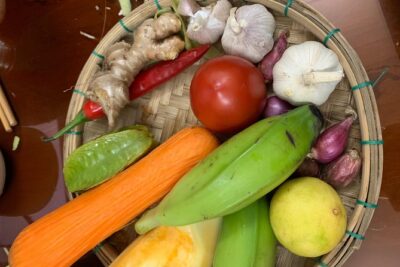
You’ll likely meet up and get oriented before heading out. One detail that stands out from the way these days are run is that you may stop for ingredient gathering around markets, so you get a feel for what the chef expects you to use. If you’re the kind of person who likes seeing ingredients up close—fresh herbs, key aromatics, and the stuff that makes sauces taste like sauces—you’ll enjoy that warm-up.
Timing-wise, plan on about 4 hours 30 minutes total. That’s short enough to feel like a real break from sightseeing, but long enough to include both village activity and cooking time. Bring a light layer. Between walking in the village and time near water, weather can shift fast.
Rice paper noodle making in Kim Bong: technique you can repeat
The day’s first big skill is rice paper noodle making in the Kim Bong area (listed as Kim Bong Carpentry Village, with the class described in the Kim Boongf/Kim Bong rural village context). Even if you’ve seen noodles before, this part is different because it’s about hand work—rolling, shaping, and understanding texture.
Here’s what you should expect from a practical standpoint:
- You’ll walk around the village and get a sense of rural routines before you start cooking.
- You’ll make noodles with local guidance, so you learn the “how,” not just the “what.”
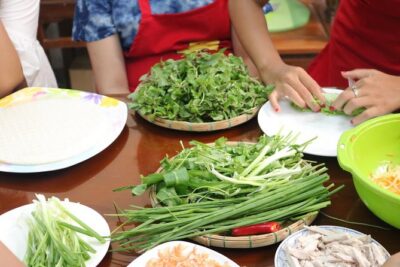
- You’ll work with fresh ingredients and tools suited to small-scale cooking, which makes the technique easier to remember later.
Why this matters: Vietnamese noodles are all about thinness, moisture balance, and timing. When you shape the noodles yourself, you start noticing why certain steps are strict. Later, when you eat the finished food, you’ll understand what makes it satisfying—whether it’s the chew, the bite, or how the noodles hold sauce.
One consideration: noodle making can be a little hands-on work. If you prefer minimal kitchen time, this might feel like you’re actually working. If you like learning skills, it’s one of the most rewarding parts of the day.
The cooking class with a working chef (and recipes to take home)
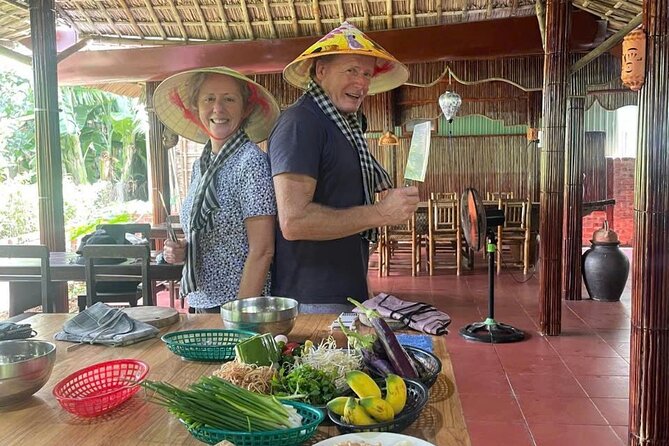
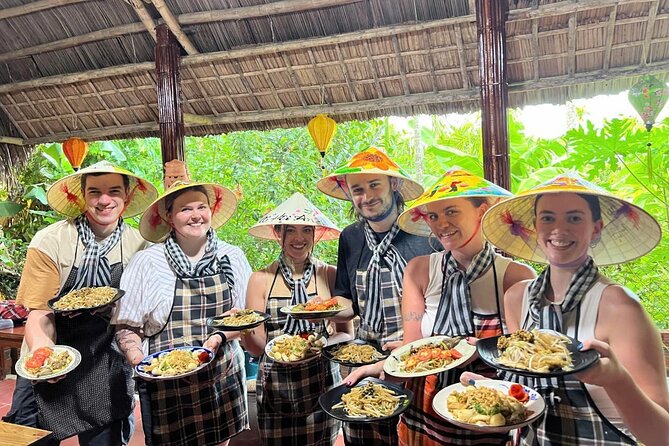
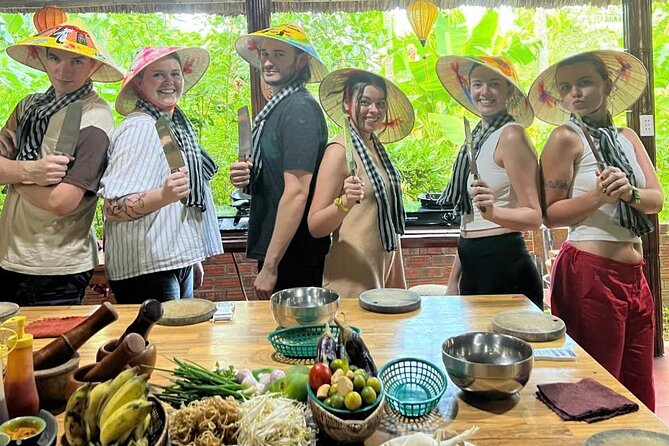
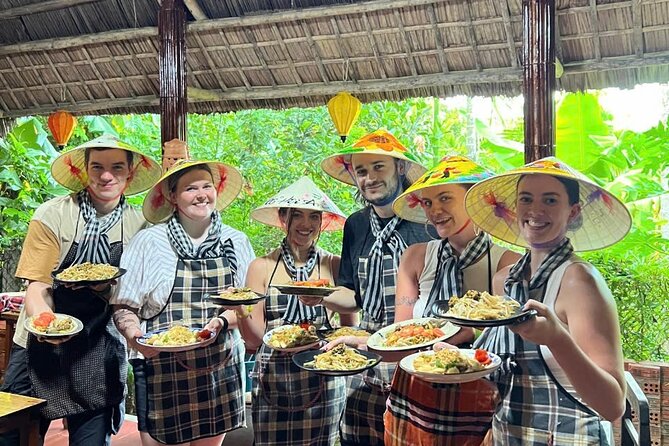
After the village portion, you’ll move into a chef-led Vietnamese cooking class. This is where the tour shifts from technique to flavor building. The chef teaches dishes and explains recipes so you can understand what’s happening, not just copy steps blindly.
You also get recipes from the class. That’s a big deal for value. Many cooking tours are fun, but you never fully recreate the dishes at home. Here, the tour provides the recipes afterward, so you have a real chance to repeat what you learned.
From the way sessions are typically run, the class focus is Vietnamese cultural cuisine—meaning you’ll likely use a mix of fresh herbs, aromatics, and sauces that balance salty, sweet, sour, and savory notes. The hands-on ingredient gathering (when included) helps your brain connect the food to the places you saw.
What to do to get more out of this section:
- Ask questions while you cook. Don’t wait until the end.
- Pay attention to sauce consistency and seasoning timing, not just the ingredients.
- Take notes if you can. The recipes help, but your memory of the chef’s pacing is what turns “a recipe” into “a dish you can actually make.”
Also, expect to eat what you make. That pairing—cook it, then taste it—makes the whole day feel like one continuous meal plan, not separate activities that don’t connect.
Coconut palm forest boat ride: where the pace slows
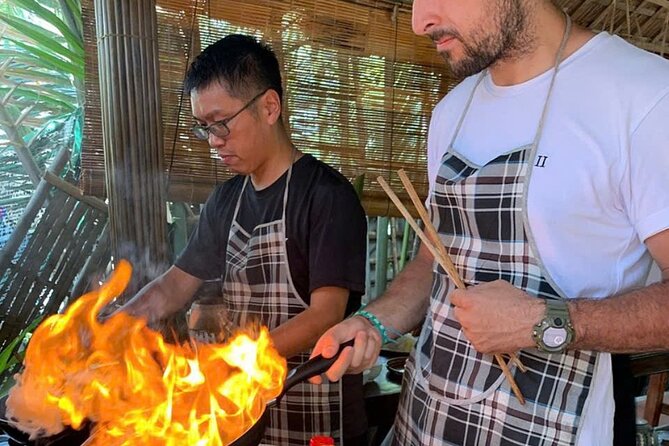
One of the tour’s signature elements is the boat through a coconut palm forest. This isn’t just a transfer. It’s a change of mood—quiet water, shade from palms, and that slightly floaty feeling you can’t get from standing in a street market.
A boat ride also gives your body a break from kitchen work. After hands-on noodle making, it’s a nice reset. You’re moving through scenery that’s tied to local life, not staged tourism.
If you’re bringing a camera, you’ll want it ready but protected. Between river breezes and possible splashes (depending on water conditions), keep it secure. Wear clothes that you’re comfortable getting a little damp.
This part also sets up the next section: learning about crabs and how they’re caught locally.
Roll up your sleeves at another Da Nang cooking class
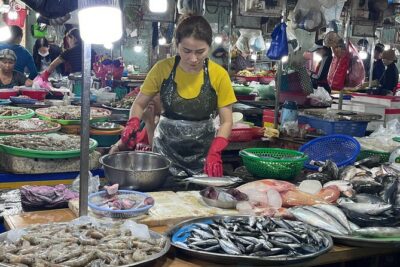
Learning to catch purple crabs (and turning it into dinner)
The crabs are the emotional high point for many people, because you go from learning to actually eat what you catch. You’ll learn to catch purple crabs with a local fisherman, then enjoy a feast afterward.
This is one of those activities that’s both fun and informative:
- You learn what’s involved, including the local approach and patience required.
- You see how the catch becomes a meal instead of just a photo op.
A small note for expectations: catching crabs is hands-on and may involve water contact. If you’re hoping for a totally dry experience, set that expectation now. If you don’t mind getting a bit involved, it can be a memorable way to understand how food sources connect to daily life.
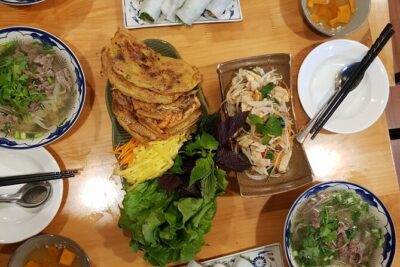
Then comes the payoff. Eating the crab you helped catch makes dinner feel earned, and it gives context for the flavors you’re tasting. You’re not just consuming; you’re participating in the food story.
What you eat matters: the value of a connected meal
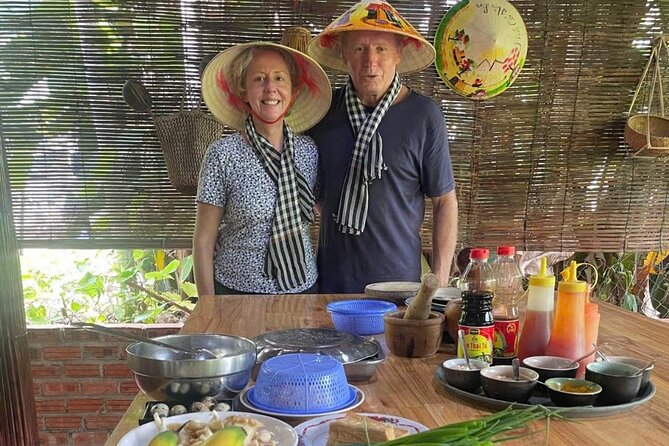
This tour is built around connection. You make noodles, you cook Vietnamese dishes, you catch crabs, and then you eat. That “chain” is part of what makes the price feel fair.
At $33.99 per person, you’re paying for:
- A small-group setup (around 15 people; capped higher)
- Round-trip transfers from Hoi An hotels
- Hands-on rice noodle making and a chef-led cooking class
- A boat through coconut palm scenery
- Purple crab catching with a local fisherman
- A full meal (the feast and the food you cook)
In practical terms, you’re not just buying a class. You’re buying a day of activities that feed into the same meal and the same theme: real Vietnamese food culture, not a performance.
Small-group energy: you’ll actually get help
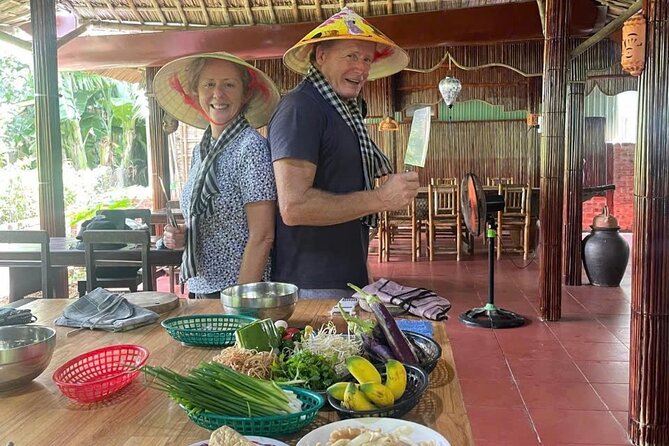
This experience limits size, which changes everything in a cooking setting. With a smaller group, you can see what the chef is doing and get corrections when something needs adjustment. That’s especially useful for noodle work, where tiny timing differences can change the final texture.
You’ll also have more chance to talk with your guide and ask questions during village walking, ingredient prep (when included), and the chef class. Guides matter here because Vietnamese cooking has logic, and a good guide helps you understand it quickly.
One more plus: the cap on group numbers helps keep the experience from feeling rushed. Even with multiple parts to the day, you’re less likely to wait in line and more likely to get to the action.
Price and logistics: is it worth $33.99 for the day you’ll have?
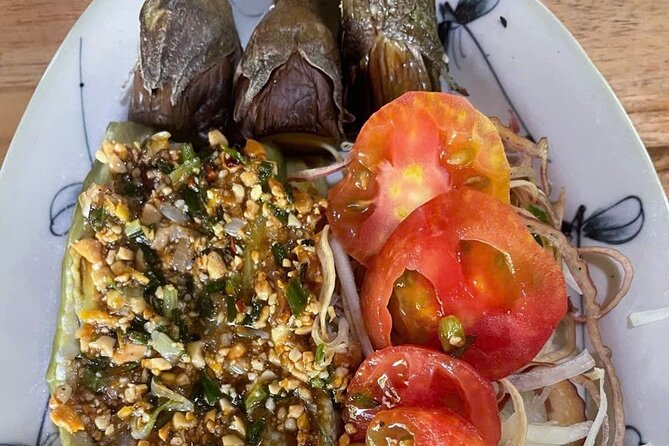
Let’s talk value without hand-waving. This isn’t a basic cooking demo, and it isn’t just a boat ride either. You’re getting a blend of rural village time, a proper cooking class with recipes to take home, plus a coconut-forest boat segment and purple crab catching.
At $33.99, you’re paying relatively modest money for a lot of components—especially the transfer and the “catch and eat” part. If you were to book those parts individually, you’d likely spend more and still end up with worse flow.
What you’re really paying for is time and coordination. The tour removes the hardest parts: finding the right location, managing transport, and fitting village walking plus cooking plus water time into one workable itinerary.
If your goal is only to eat and you don’t care about technique, you might find cheaper food options. But if you want to learn skills and get context for what you’re eating, this is strong value.
Who this tour fits best (and who should rethink it)
This experience is ideal if you:
- Enjoy hands-on cooking, especially learning a process like rice noodle making
- Like food that has a story tied to real local activities
- Want a short, structured day that still feels “different” from typical Old Town wandering
- Prefer smaller groups where you can ask questions and get guidance
It may not be ideal if you:
- Hate getting wet or messy (crab catching involves water contact)
- Want a passive, sit-and-watch style experience
- Don’t like active classes where you do the work, not just eat at the end
It’s also a good fit for people staying in or near Hoi An who want an easy day trip with transport handled.
Tips to get the most out of your day
These are simple things that help the experience feel smoother:
- Wear shoes you can walk in comfortably and handle wet conditions (you’ll be near water).
- Bring a light change of clothing if you get damp easily.
- Keep your hands protected if you’re worried about getting messy while making noodles.
- When the chef is explaining steps, ask one clear question. Short answers come fast, and you’ll get what you need.
If you care about what you can bring home, read through the recipes afterward and try one dish within a week. The steps will feel more familiar right away when the memory is fresh.
Should you book this Hoi An rice paper noodle and cooking class experience?
I think you should book if you want more than a cooking show. This one gives you a full “learn, cook, eat” arc, and it adds the coconut palm forest boat ride and purple crab catching so the meal has real context. The $33.99 price makes sense because the day includes transfers, village time, chef instruction, and an actual feast—so you’re not paying just for a single activity.
Skip it only if you’d rather keep things dry and passive. Otherwise, it’s a fun way to connect Vietnamese ingredients to the people and places that grow, catch, and cook them.
FAQ
Where does this experience take place?
The experience is based in the Da Nang area and connects with Hoi An hotel pickup and return.
How long is the tour?
It runs for about 4 hours 30 minutes.
Is pickup from Hoi An included?
Yes. Round-trip transfers from Hoi An hotels are included.
What’s the maximum group size?
The experience is limited to 15 travelers, with a maximum of 18 travelers listed.
What activities are included?
You can expect rice paper noodle making in the Kim Bong area, a chef-led Vietnamese cooking class, and a boat through a coconut palm forest. The day also includes learning how to catch purple crabs with a local fisherman, followed by your feast.
Do I get the recipes from the cooking class?
Yes. Recipes from the class are made available to you.
How much does it cost?
The price is $33.99 per person.
What’s the cancellation policy?
You can cancel for a full refund up to 24 hours before the experience’s start time.
Should You Book? (Final decision)
If your travel style is hands-on learning plus authentic food culture, this is a strong choice. You’ll leave with skills you can repeat, recipes to use later, and a meal that’s connected to real local activities—not just a plated performance.
More Tour Reviews in Da Nang
- Da Nang: Lady Buddha, Marble Mountains, and Am Phu Cave Tour
★ 4.7 · 3,373 reviews - Full Day Golden Bridge and Ba Na Hills Small Group Tour
★ 5.0 · 2,369 reviews - From Da Nang/Hoi An: Golden Bridge Ba Na Hills Full-Day Tour
★ 4.7 · 1,737 reviews - Da Nang: Han River Local Cruise by Night
★ 4.1 · 1,152 reviews - Da Nang: Golden Bridge, Lady Buddha, Marble Mt & Am Phu Cave
★ 5.0 · 1,147 reviews - Morning Small group to Marble Mountains – Am Phu Cave – Monkey Mountain
★ 5.0 · 1,097 reviews
Aprons On in Da Nang
- 5 Dishes Cooking Class with Market Trip in Da Nang
★ 5.0 · 466 reviews - Da Nang Authentic Home Cooking Class
★ 5.0 · 354 reviews - 5 traditional dishes Da Nang cooking class with market trip
★ 5.0 · 331 reviews - Da Nang Cooking Class with Coffee Tasting and Market Visit
★ 5.0 · 310 reviews - Hoi An: Lantern Making, Basket Boat, and Cooking Class
★ 4.9 · 233 reviews - DaNang Farm-to-Table Cooking Class with Market and Coffee Tasting
★ 5.0 · 131 reviews
Down to Hoi An Old Town
- From Da Nang/Hoi An: Golden Bridge Ba Na Hills Full-Day Tour
★ 4.7 · 1,737 reviews - Da Nang & Hoi An: Food, Sightseeing, Culture & Hidden Gems
★ 5.0 · 806 reviews - Marble Mountains – Hoi An Ancient Town Sunset Daily Ingroup Tour
★ 5.0 · 690 reviews - From Da Nang or Hoi An: Ba Na Hills Golden Bridge Tour
★ 4.7 · 618 reviews - Hoi An/Da Nang: Snorkelling & Island-Hopping Speedboat Tour
★ 4.6 · 397 reviews - Da Nang International Airport PRIVATE Transfer To Da Nang/Hoi An
★ 5.0 · 392 reviews
Just Added: The Newest Da Nang Reviews




Hoi An Old Town Day Trips, side by side.
 ★ 4.7From Da Nang/Hoi An: Golden Bridge Ba Na Hills Full-Day TourFrom $671,737 reviews
 ★ 5.0Da Nang & Hoi An: Food, Sightseeing, Culture & Hidden GemsFrom $72806 reviews
 ★ 5.0Marble Mountains – Hoi An Ancient Town Sunset Daily Ingroup TourFrom $33690 reviews
 ★ 4.7From Da Nang or Hoi An: Ba Na Hills Golden Bridge TourFrom $63618 reviews
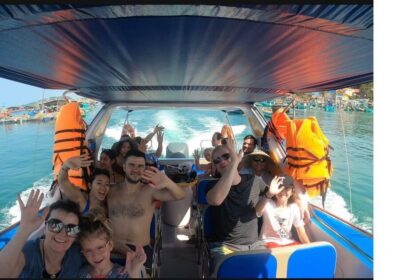 ★ 4.6Hoi An/Da Nang: Snorkelling & Island-Hopping Speedboat TourFrom $63397 reviews
Da Nang International Airport PRIVATE Transfer To Da Nang/Hoi AnFrom $5392 reviews
★ 4.6Hoi An/Da Nang: Snorkelling & Island-Hopping Speedboat TourFrom $63397 reviews
Da Nang International Airport PRIVATE Transfer To Da Nang/Hoi AnFrom $5392 reviews
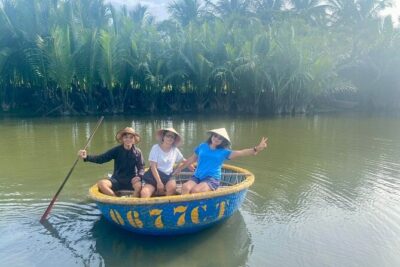 ★ 5.0Lady Buddha, Marble Mountains, Coconut Jungle & Hoian City TourFrom $69370 reviews
 ★ 4.9My Son Sanctuary Tour by Van & Boat from Hoi An/Da NangFrom $19367 reviews
Lists featuring this tour