
REVIEW · DA NANG COOKING CLASSES
Da Nang Vegetarian Cooking and coffee Class
A stove, a phin filter, and you. This hands-on Da Nang class is all about real technique, not just watching, with vegetarian cooking practice and a traditional coffee lesson. I love that you get your own cooking station and walk step-by-step through Vietnamese methods, plus you leave with English recipes you can redo at home. The one thing to plan around: there’s no pickup or drop-off, so you’ll want to arrange your own way to the Da Nang Home Cooking Class.
After the homemade lunch, the class shifts gears to coffee. I also like the way the coffee part teaches both the brewing tool and the flavors, including instruction for making multiple famous Vietnamese drinks (egg, salt, coconut, and phin-style coffee). In past sessions, instructors like Jane and Ni have been praised for clear explanations and keeping it friendly, even for a child.
In This Review
- Key things to know before you go
- A home-kitchen cooking setup that teaches by doing
- The cooking phase runs long enough to learn
- Your vegetarian menu: 4 dishes you can actually repeat
- 1) Quang noodle or pho (vegetarian-style)
- 2) Eggplant stir-fry
- 3) Mango salad or papaya salad
- 4) Fried spring roll or fresh spring roll
- Coffee lesson time: using the phin filter like locals
- Making four famous drinks: egg, salt, coconut, and phin coffee
- Phin coffee (the base)
- Egg coffee
- Salt coffee
- Coconut coffee
- What you’re really paying for: value in a tight $17 class
- Time matters more than you think
- Allergy needs and ingredient swaps, handled in advance
- Who should book this class in Da Nang
- Should you book this Da Nang vegetarian cooking and coffee class?
- FAQ
- Where does the class take place?
- How much time should I plan for?
- What’s included in the price?
- Do they provide pick-up or drop-off?
- What vegetarian dishes will I cook?
- What Vietnamese coffee drinks will I learn?
- Can I choose cooking class only or coffee class only?
- Can they accommodate allergies or dietary preferences?
- Is the class taught in English?
Key things to know before you go
- Completely hands-on cooking at your personal station, with tasting along the way
- Vegetarian menu of 4 dishes, with options like pho or quang noodle and mango or papaya salad
- Traditional Vietnamese coffee setup using the phin filter, not just instant methods
- Four coffee drinks taught in one session: egg, salt, coconut, and phin coffee
- English recipe copies included, so you can recreate everything later
- Allergy-friendly with advance notice, using ingredient substitutions when needed
Roll up your sleeves at another Da Nang cooking class
- 5 Dishes Cooking Class with Market Trip in Da Nang★ 5.0 · 466 reviews
- Da Nang Authentic Home Cooking Class★ 5.0 · 354 reviews
- 5 traditional dishes Da Nang cooking class with market trip★ 5.0 · 331 reviews
- Hoi An: Lantern Making, Basket Boat, and Cooking Class★ 4.9 · 233 reviews
A home-kitchen cooking setup that teaches by doing
This class is hosted at a home-kitchen style setting in Da Nang, and the format is built around participation. You start with a cooking demonstration, then you move straight into action at your own station. That matters because Vietnamese cooking isn’t just about ingredients. It’s about timing, heat control, and how sauces and toppings come together.
At the station, you’ll get step-by-step guidance as you cook your assigned dishes. You’re not left to guess what the instructor means by a “proper” texture or the right moment to add something. You’ll also have tasting samples during the process, so you can calibrate what you’re aiming for before the final plates.
Because this is an active class, come hungry and ready to get your hands dirty. You should also show up with any food restrictions sorted ahead of time, since the menu relies on ingredient swaps when needed.
The cooking phase runs long enough to learn
Depending on the schedule, your total time can range from 90 minutes to 5 hours. In practice, that means some bookings focus more on cooking, others spend more time on coffee (or both). If you’re tight on time, the option to do cooking-only or coffee-only is a big plus.
Your vegetarian menu: 4 dishes you can actually repeat
The vegetarian menu is designed to cover different cooking skills. You’re not only learning one style of dish; you’ll practice components that show up across Vietnamese home cooking.
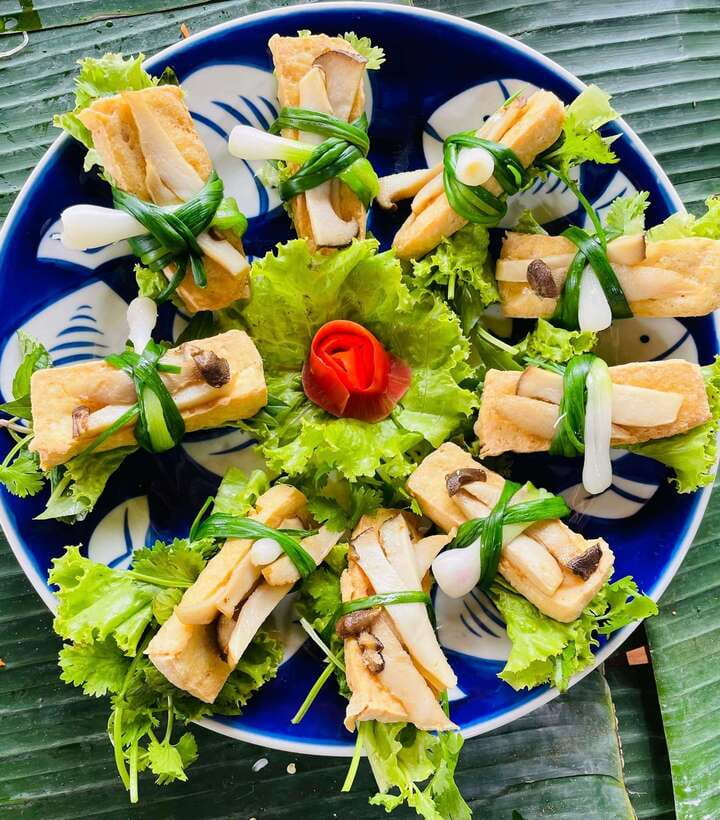
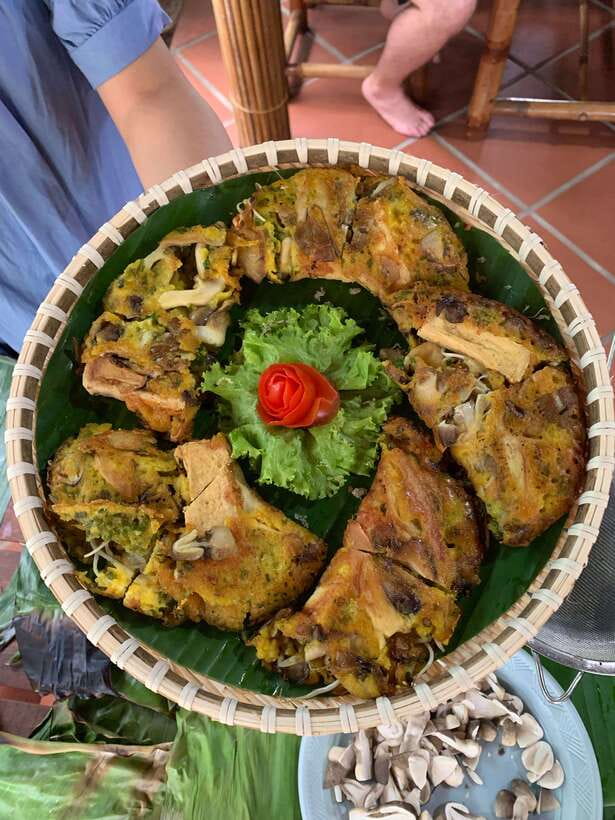
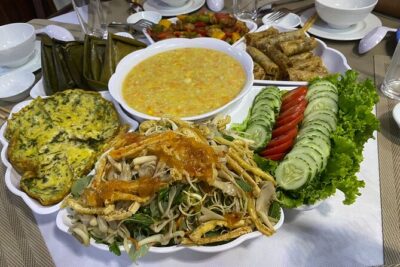
You’ll typically cook 4 traditional dishes from this set of options:
1) Quang noodle or pho (vegetarian-style)
You’ll make either Quang noodle or pho as your noodle-soup anchor. Even in a vegetarian version, pho and pho-adjacent styles teach you how broth and toppings work together. The learning value here is texture and balance: how hot liquid interacts with noodles, how flavors build, and how garnishes finish the bowl.
If you’re choosing between them, think about what you want to recreate later. Pho is easier to imagine at home, while Quang noodle brings a more distinct regional identity once you’ve tasted and learned the seasoning approach.
More Vietnamese coffee to sit down with
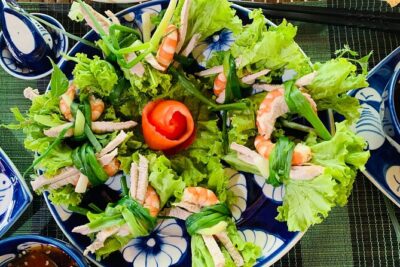
2) Eggplant stir-fry
Eggplant can be tricky because it can turn soft and bland or go the other direction and get heavy. This dish teaches how to manage the pan and sauce so the eggplant stays appealing and absorbs flavor instead of just soaking it up. It’s a great vegetarian win because you’ll learn a method you can adapt with other vegetables later.
3) Mango salad or papaya salad
This is where Vietnamese flavor gets specific: salty, sour, sweet, and often a little crunch. You’ll make either mango salad or papaya salad, and you’ll practice the key skill of balancing acidity with sweetness and salt. If you’ve ever had a great Vietnamese salad and wondered how it tastes so sharp without being harsh, this is the recipe-learning moment.
4) Fried spring roll or fresh spring roll
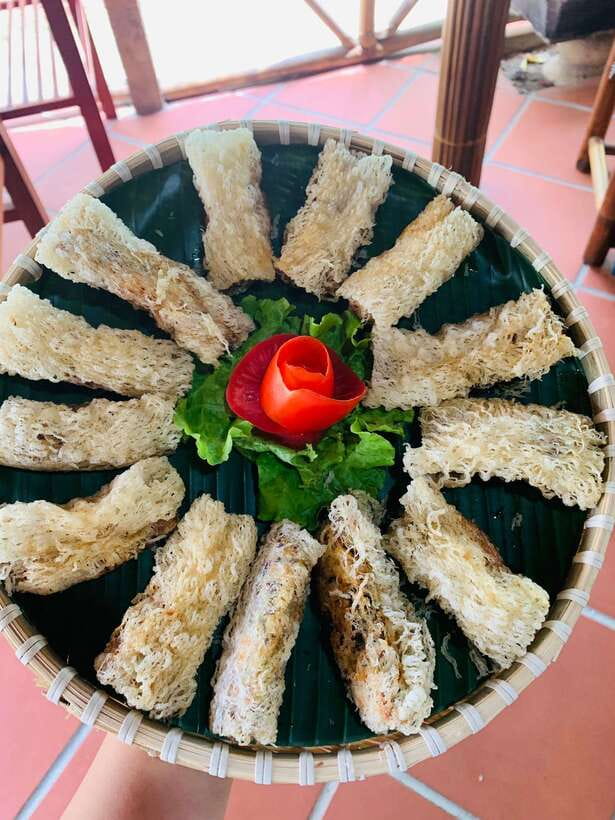
You’ll end with spring rolls, with a choice between fried or fresh. Either way, you learn assembly and how the filling behaves. Fresh rolls teach you speed and coordination; fried rolls teach temperature and crispness. In both cases, you’ll get a recipe you can replicate without needing a Vietnamese ingredient store every time.
The overall value of the menu is that it builds a full meal: a warm noodle dish, a vegetable entrée, a bright salad, and rolls. That’s the kind of variety you can realistically recreate for friends back home.
Coffee lesson time: using the phin filter like locals
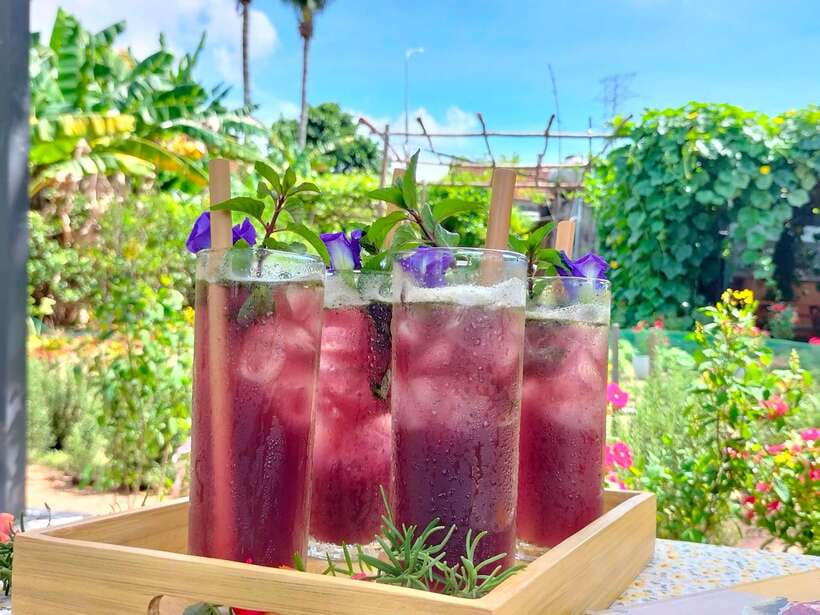
Once you’ve enjoyed your homemade lunch, the class shifts to coffee. Vietnamese coffee is a whole world by itself, and it’s not just about caffeine. The method and timing shape the taste.
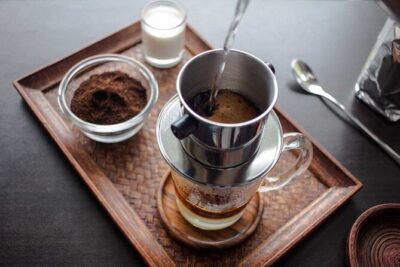
You’ll learn how to brew coffee traditionally using the phin filter. The phin is a small metal drip filter that sits over your cup. It forces slow extraction, which is a big part of the flavor profile people associate with Vietnamese coffee.
This part is also more than technique. In past sessions, the instructor has included a short mini-lecture on coffee origins and the background of the drinks you’ll be making. That context helps you understand why each drink tastes the way it does, instead of treating them like random variations.
Making four famous drinks: egg, salt, coconut, and phin coffee
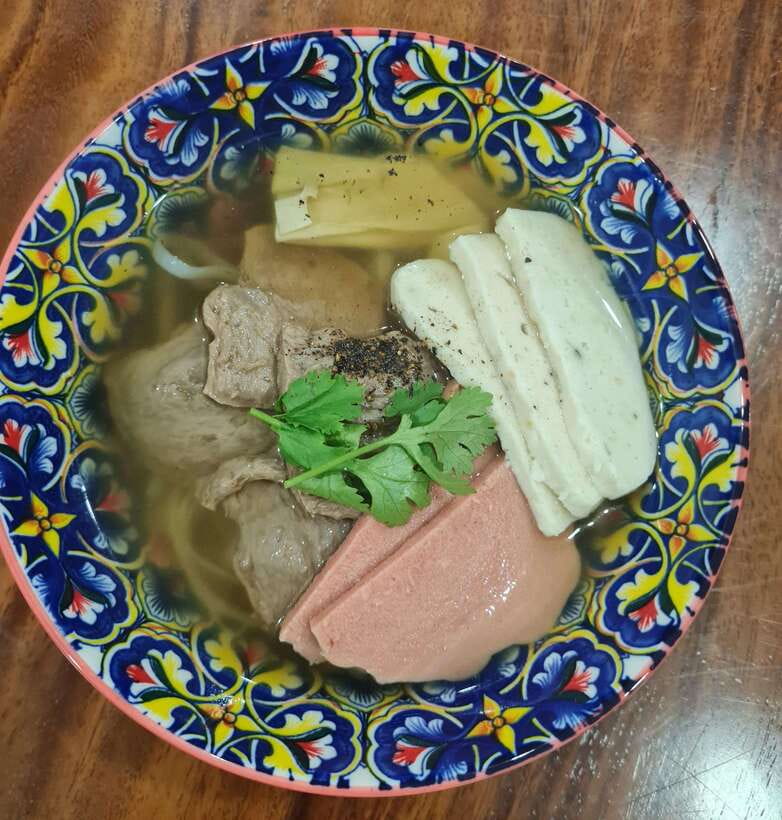
The coffee component focuses on four widely known Vietnamese favorites:
Phin coffee (the base)
This is the foundation. You learn the brewing process, so everything else you make afterward makes sense. If you want one takeaway you’ll use for years, it’s this method and the way the strength develops in the cup.
Egg coffee
Egg coffee is all about the creamy foam topping. You’ll learn how to produce the texture and then assemble it properly so the foam holds and the coffee stays balanced. This is the drink people often talk about first, because it feels special even when it’s made with simple ingredients.
Salt coffee
Salt coffee is for people who like contrast. The salt adds complexity and changes how sweetness and bitterness show up. When you understand the idea, it’s easier to adjust the recipe later.
Coconut coffee
Coconut coffee brings a smooth, aromatic sweetness. This is a nice option if you want a drink that feels dessert-like without needing a full-on pastry.
If you’re a coffee lover, you’ll appreciate that this class doesn’t treat coffee as a one-note experience. You practice the brew method and then learn how different flavors and textures ride on top.
What you’re really paying for: value in a tight $17 class
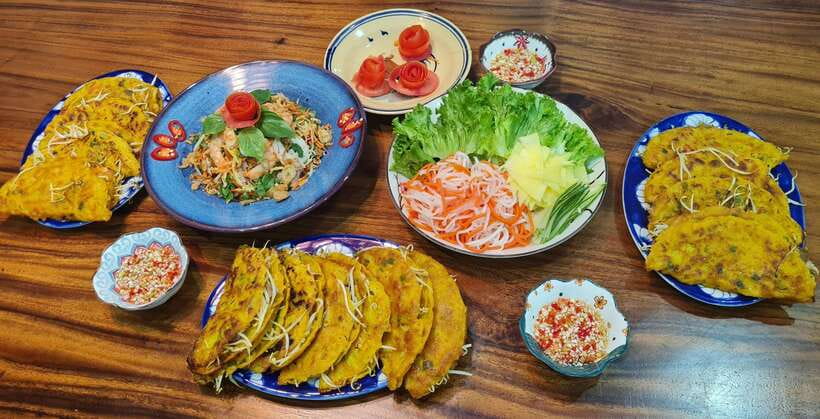
At $17 per person, this class is priced for value compared with most cooking or coffee experiences. You’re not only paying for instruction. You’re paying for ingredients, your own cooking station setup, English-language recipe copies, and the full experience of eating what you cook plus learning coffee brewing and multiple drink recipes.
Here’s what makes the price feel fair:
- Ingredients are included, so you’re not tracking down specialty items mid-trip
- You get recipe copies in English, which is what turns a fun activity into something you can repeat
- The class is structured to include both cooking and coffee, unless you choose to focus on one
The only cost you need to plan for is getting to the Da Nang Home Cooking Class, since pickup and drop-off are not included.
Time matters more than you think
Because the duration can run from 90 minutes to 5 hours, your experience level depends on what you book. If you book only cooking, you’ll get the meal and core recipes faster. If you book only coffee, you’ll focus tightly on the phin method and drink-making. If you book both, you get a full culinary arc, from lunch to drinks.
Allergy needs and ingredient swaps, handled in advance
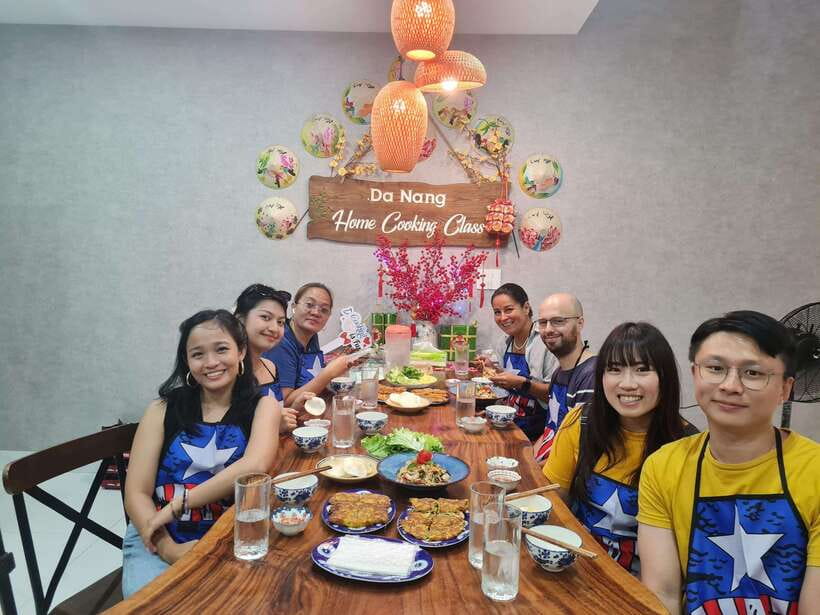
If you have food restrictions or allergies, this is an important selling point. You’ll want to email your requirements ahead of time, and the provider will confirm substitutions or ingredient changes with you.
That’s the right approach for a cooking class, because vegetarian recipes can still include ingredients that trigger allergies. Plan this early so you don’t arrive expecting a swap that wasn’t confirmed.
Who should book this class in Da Nang
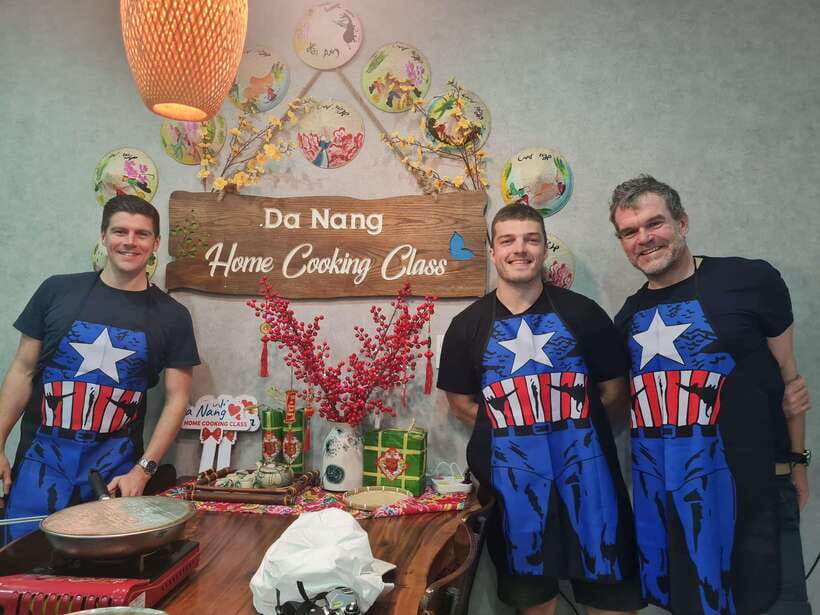
This experience is a strong match if you want practical skills, not just sightseeing.
You’ll likely enjoy it if:
- You like learning recipes you can recreate, with English instructions
- You want a vegetarian-focused meal that feels genuinely Vietnamese
- You care about coffee beyond basic black coffee, especially using the phin filter
- You’re traveling with family, since instructors have been noted for handling a child-friendly pace and clear explanation
It may not be the best fit if you’re looking for a passive “watch and eat” style. This is hands-on. You should be ready to cook, taste, and ask questions while you’re cooking.
Should you book this Da Nang vegetarian cooking and coffee class?
If you have one free block in your Da Nang schedule and you like food learning with a real outcome, I’d book it. The best reason is simple: you leave with both a full vegetarian meal you made and a coffee routine you can repeat at home, plus English recipes for the exact dishes and drinks.
The main reason to pause is logistics. Since no pickup/drop-off is included, make sure you can comfortably get to the Da Nang Home Cooking Class on your own. If that’s covered, the $17 price makes a lot of sense for the amount of hands-on cooking, ingredient support, and coffee skill-building you get.
FAQ
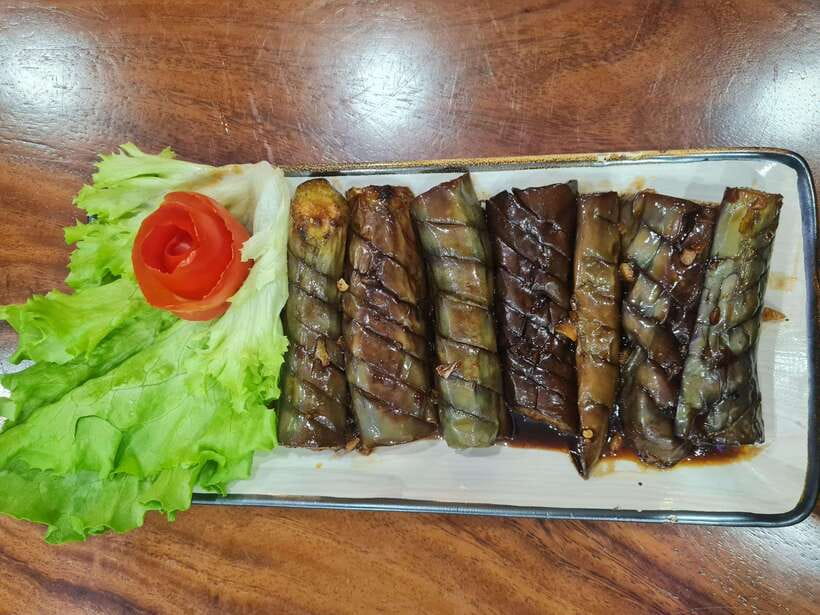
Where does the class take place?
The class is hosted at the Da Nang Home Cooking Class in Da Nang, Vietnam.
How much time should I plan for?
The duration can be 90 minutes to 5 hours, depending on the starting time and whether you choose cooking only, coffee only, or both.
What’s included in the price?
Included are cold bottle water, an English-speaking guide, all ingredients, and English recipe copies.
Do they provide pick-up or drop-off?
No. Pick up and drop off service is not included.
What vegetarian dishes will I cook?
You’ll learn 4 traditional vegetarian dishes chosen from the menu options: Quang noodle or pho, eggplant stir-fry, mango salad or papaya salad, and fried spring roll or fresh spring roll.
What Vietnamese coffee drinks will I learn?
You’ll learn to brew Vietnamese coffee with a phin filter and make four drinks: egg coffee, salt coffee, coconut coffee, and phin coffee.
Can I choose cooking class only or coffee class only?
Yes. If you don’t have enough time, you can choose the cooking class only or the coffee making class only.
Can they accommodate allergies or dietary preferences?
Yes. You should email your food restriction or allergy in advance, and they will confirm substitutions or ingredient changes with you.
Is the class taught in English?
Yes. The instructor speaks English, and the recipe copies are provided in English.
More Tour Reviews in Da Nang
- Da Nang: Lady Buddha, Marble Mountains, and Am Phu Cave Tour
★ 4.7 · 3,373 reviews - Full Day Golden Bridge and Ba Na Hills Small Group Tour
★ 5.0 · 2,369 reviews - From Da Nang/Hoi An: Golden Bridge Ba Na Hills Full-Day Tour
★ 4.7 · 1,737 reviews - Da Nang: Han River Local Cruise by Night
★ 4.1 · 1,152 reviews - Da Nang: Golden Bridge, Lady Buddha, Marble Mt & Am Phu Cave
★ 5.0 · 1,147 reviews - Morning Small group to Marble Mountains – Am Phu Cave – Monkey Mountain
★ 5.0 · 1,097 reviews
The Da Nang Coffee Table
- Da Nang Coffee Making Workshop
★ 4.9 · 543 reviews - Da Nang Cooking Class with Coffee Tasting and Market Visit
★ 5.0 · 310 reviews - DaNang Farm-to-Table Cooking Class with Market and Coffee Tasting
★ 5.0 · 131 reviews - Da Nang Coffee Making Workshop
★ 5.0 · 26 reviews - Coffee Making and Cooking Class
★ 5.0 · 12 reviews - Da Nang Coffee Making and Banh Mi Class
★ 5.0 · 11 reviews
Aprons On in Da Nang
- 5 Dishes Cooking Class with Market Trip in Da Nang
★ 5.0 · 466 reviews - Da Nang Authentic Home Cooking Class
★ 5.0 · 354 reviews - 5 traditional dishes Da Nang cooking class with market trip
★ 5.0 · 331 reviews - Da Nang Cooking Class with Coffee Tasting and Market Visit
★ 5.0 · 310 reviews - Hoi An: Lantern Making, Basket Boat, and Cooking Class
★ 4.9 · 233 reviews - RICE PAPER Noodle Making Experience & Hoi An Cooking Class Class
★ 5.0 · 164 reviews
Just Added: The Newest Da Nang Reviews



Da Nang Cooking Classes, side by side.
 ★ 5.05 Dishes Cooking Class with Market Trip in Da NangFrom $39466 reviews
 ★ 5.0Da Nang Authentic Home Cooking ClassFrom $36354 reviews
 ★ 5.05 traditional dishes Da Nang cooking class with market tripFrom $39331 reviews
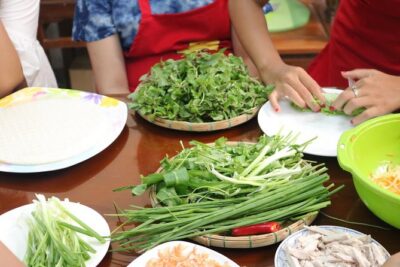 ★ 5.0Da Nang Cooking Class with Coffee Tasting and Market VisitFrom $45310 reviews
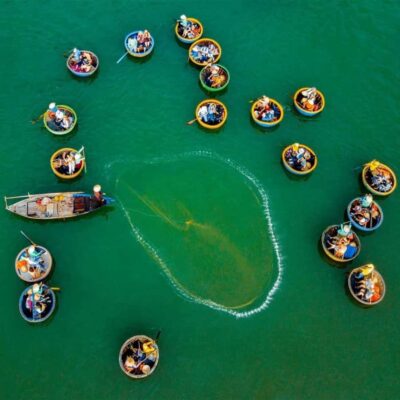 ★ 4.9Hoi An: Lantern Making, Basket Boat, and Cooking ClassFrom $15233 reviews
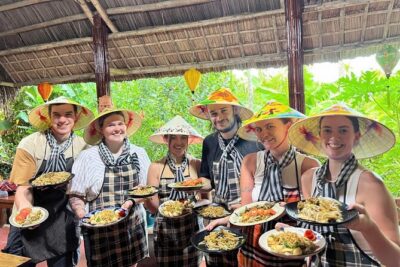 ★ 5.0RICE PAPER Noodle Making Experience & Hoi An Cooking Class ClassFrom $33164 reviews
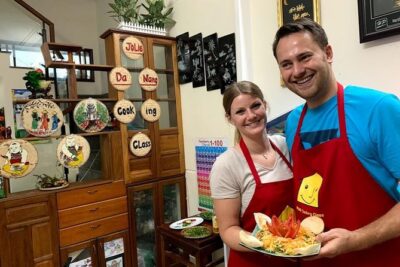 ★ 5.0DaNang Farm-to-Table Cooking Class with Market and Coffee TastingFrom $60131 reviews
 ★ 5.0My Son Sanctuary Guided Tour with Rice Paper Making from Da NangFrom $27115 reviews
Lists featuring this tour