
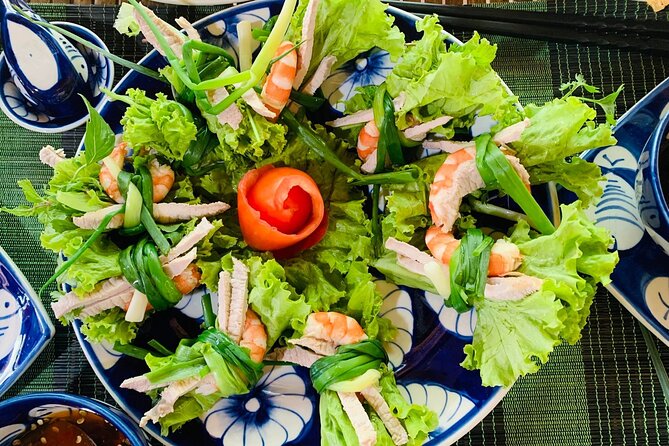
REVIEW · DA NANG COOKING CLASSES
Coffee Making and Cooking Class
Vietnamese coffee goes way beyond the café. In Da Nang, this hands-on class pairs four classic dishes with a guided phin-filter coffee lesson, so you leave with techniques you can actually repeat.
I especially like that you cook at your own station with step-by-step help, not just watch from the sidelines. You also get to make and taste several famous coffee styles, including egg coffee and salt coffee.
The second thing I like is how practical the whole format feels: a short demo first, then you cook your portion, then you sit down for lunch and coffee drinks. One possible drawback is the pickup detail can be unclear, since the overview mentions hotel pickup/drop-off but the fine print lists pickup/drop-off as not included—so confirm before you go.
In This Review
- Key points before you book
- What this Da Nang cooking-and-coffee experience is really about
- The kitchen portion: how you cook four classic Vietnamese dishes
- What the hands-on format looks like
- Why these dishes are such good learning choices
- Lunch: what you should expect to eat
- Coffee time in Da Nang: using the phin filter and making four famous drinks
- The phin filter method (and why it matters)
- Your coffee menu: egg, salt, coconut, and phin coffee
- Coffee history, too
- English-speaking guidance, plus small-group attention that keeps things moving
- Where you meet (and the one logistics question to confirm)
- Price and value: what $17 buys you (and what it avoids)
- Special diets and allergies: how the kitchen handles it
- Who should book this class (and who might prefer something else)
- Should you book this Da Nang coffee making and cooking class?
- FAQ
- How long is the Coffee Making and Cooking Class in Da Nang?
- How much does it cost?
- What kinds of coffees do you make?
- Is the guide available in English?
- Can the provider accommodate allergies or food preferences?
- Is free cancellation available?
Key points before you book
- Hands-on at your own station with step-by-step guidance while you cook
- Four Vietnamese dishes plus lunch you help prepare
- Phin-filter coffee lesson paired with egg, salt, coconut, and phin coffee
- Tea welcome drink included to start you off smoothly
- Small group size (max 13) for more personal attention
- Allergy support by email with substitute dishes/ingredients confirmed in advance
Roll up your sleeves at another Da Nang cooking class
- 5 Dishes Cooking Class with Market Trip in Da Nang★ 5.0 · 466 reviews
- Da Nang Authentic Home Cooking Class★ 5.0 · 354 reviews
- 5 traditional dishes Da Nang cooking class with market trip★ 5.0 · 331 reviews
- Hoi An: Lantern Making, Basket Boat, and Cooking Class★ 4.9 · 233 reviews
What this Da Nang cooking-and-coffee experience is really about
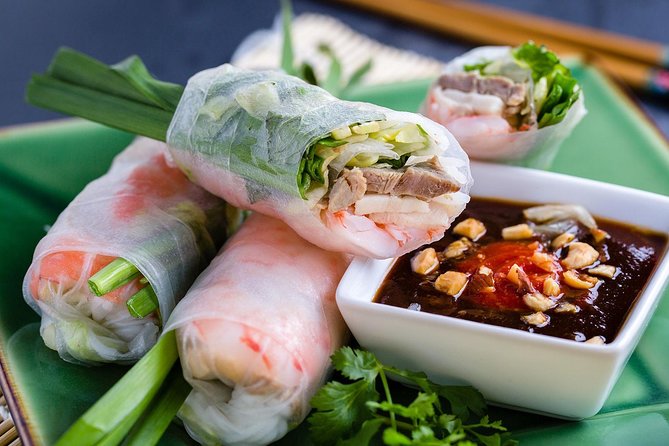
This is the kind of experience I recommend when you want food knowledge that sticks. You’re not just eating Vietnamese dishes. You’re learning how they come together—then you switch gears to coffee, which is a whole culture of its own in Vietnam.
The pacing matters here. You start with a cooking demonstration and tasting samples, then move into your own cooking station where an English-speaking guide guides you step-by-step. After lunch, you shift to coffee making using the phin filter and learn four signature drinks.
And yes, the coffee part is a big deal. The phin method isn’t complicated, but it does require the right approach and timing. The class also includes a coffee menu of egg coffee, salt coffee, coconut coffee, and phin coffee, so you get variety rather than one repeat drink.
The kitchen portion: how you cook four classic Vietnamese dishes
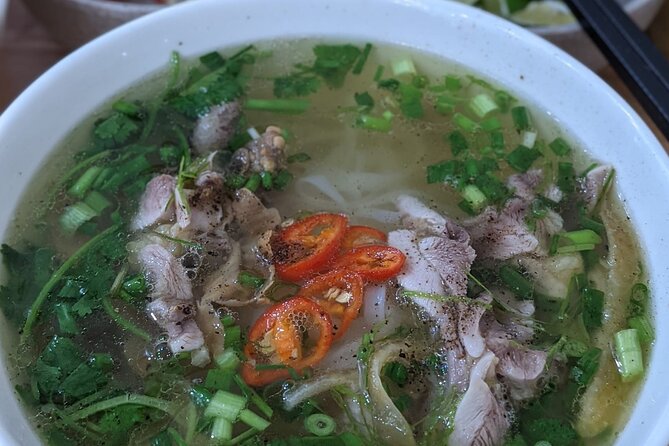
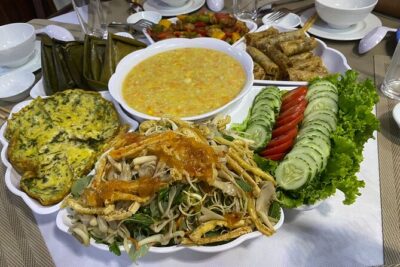
Your main meal is built around four classic Vietnamese recipes, including options like young papaya salad, chicken with fish sauce, and deep fried spring rolls. (The exact set is described as four dishes reflecting seasonal ingredients, so expect a traditional mix rather than a random selection.)
What the hands-on format looks like
You’ll begin with a cooking demonstration and some tasting samples. That does two useful things. First, you see what the dish should look and taste like at each stage. Second, you get a quick baseline before you start chopping and cooking yourself.
Then you’ll cook at your personal station. The guide walks you through the recipe step-by-step, which is especially helpful if you’re not used to Vietnamese flavors like fish sauce, lime, and the balance of sweet-sour-salty.
Why these dishes are such good learning choices
These dishes teach you the building blocks of Vietnamese cooking in a practical way:
- Young papaya salad trains you to balance tangy lime, fresh crunch, and seasoning so it tastes bright rather than harsh.
- Chicken with fish sauce helps you understand why fish sauce is treated as a core ingredient, not just a secret seasoning. You learn how it works when it’s part of a balanced sauce.
- Deep fried spring rolls teach technique and timing. Frying is one of the places where small changes matter—heat level, thickness, and how long you let them go.
Even if you’re not trying to cook these exact recipes at home, you’ll come away with a feel for how Vietnamese dishes are built around balance: sour and sweet alongside salt, and herbs adding the final “lift.”
More Vietnamese coffee to sit down with
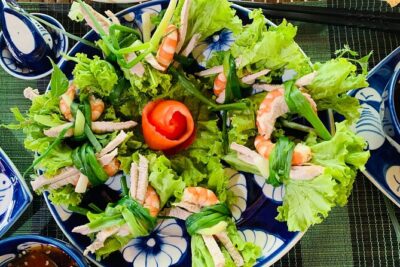
Lunch: what you should expect to eat
After cooking, you eat the homemade lunch you prepared. This turns the class into something more than a demo. You’re not paying for the lesson and then leaving hungry. You’re paying to learn and eat what you make.
One more practical bonus: you’re supposed to take home recipes and techniques so you can recreate the food for friends and family. That’s what makes the class feel like a real value instead of a one-time meal.
Coffee time in Da Nang: using the phin filter and making four famous drinks
After lunch, you shift to Vietnamese coffee. This part is set up for hands-on brewing, not just tasting.
The phin filter method (and why it matters)
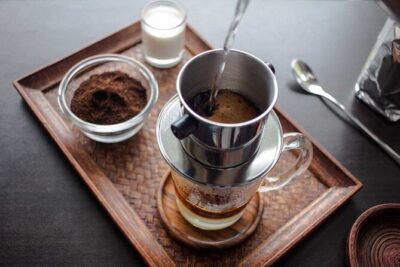
You’ll learn to brew coffee the traditional way using the phin filter. In plain terms, it’s a small metal drip filter that extracts coffee slowly over time. That slow drip approach is part of the taste: you get a different strength and feel compared to quick drip or espresso-style brewing.
You’ll also learn how to make several drinks that show up all over Vietnam, not just one style served the same way.
Your coffee menu: egg, salt, coconut, and phin coffee
You’ll make and learn four most famous coffee drinks in Vietnam:
- Egg coffee: usually smooth and creamy, built around a custard-style topping
- Salt coffee: a surprising combo where a pinch of salt helps round out the sweetness and coffee flavor
- Coconut coffee: a creamy profile that leans into coconut richness
- Phin coffee: the base method, often served strong and flexible depending on how it’s mixed
This lineup is smart. By the end, you understand coffee as an ingredient with multiple directions, not a single flavor track.
Coffee history, too
One review highlights a history lesson on coffee across Vietnam. That’s worth paying attention to because it makes the drinks feel less random. You’re learning not only how to make them, but why these styles became popular in different places and communities.
English-speaking guidance, plus small-group attention that keeps things moving
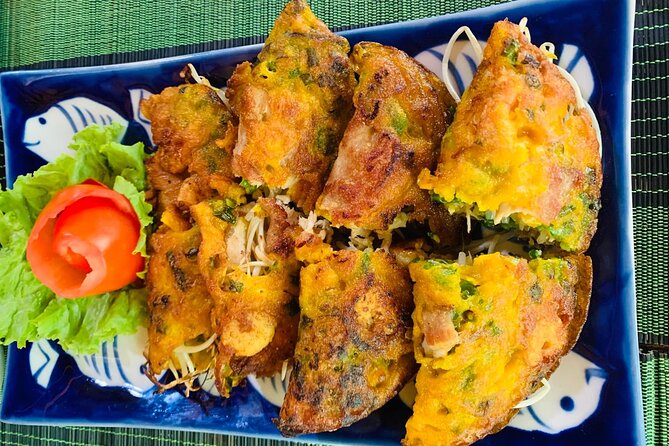
The class includes an instructor and English-speaking guide. That matters because Vietnamese cooking is full of flavor cues you can’t always guess from a recipe card.
You’ll get a cooking demonstration, then step-by-step guidance at your station. A small group size (maximum 13 travelers) helps here. With that many people, you’re less likely to feel like you’re waiting around for someone to get to your station.
The experience also seems built around friendly hosting. One review specifically called out a host named Jane as friendly and helpful. That kind of calm, supportive guidance is what turns cooking into a fun skill you actually want to practice again.
Where you meet (and the one logistics question to confirm)
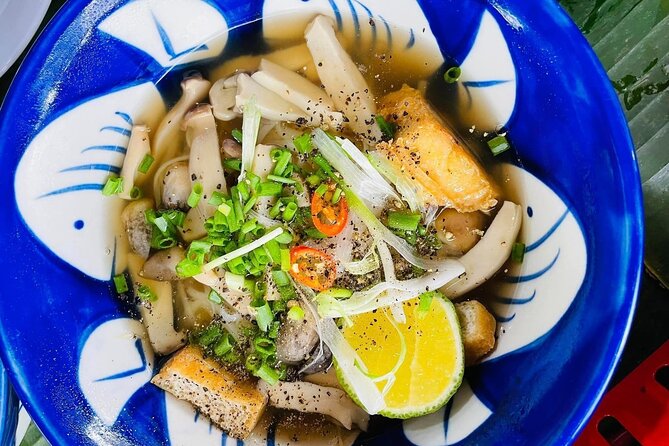
The start point is Da Nang Home Cooking Class at 146 Đ. Đoàn Khuê, Khuê Mỹ, Ngũ Hành Sơn, Đà Nẵng, Vietnam. The activity ends back at the meeting point.
Here’s the one logistics consideration I’d plan around: the overview mentions hassle-free hotel pickup and drop-off, but the details also list pick up and drop off as not included. So don’t guess. Confirm what your booking includes before you assume you’re being picked up.
If pickup is not included for your specific day, plan to arrive early enough to settle in before cooking starts. Since you end back at the meeting point, you’ll also want your return transportation lined up.
Price and value: what $17 buys you (and what it avoids)
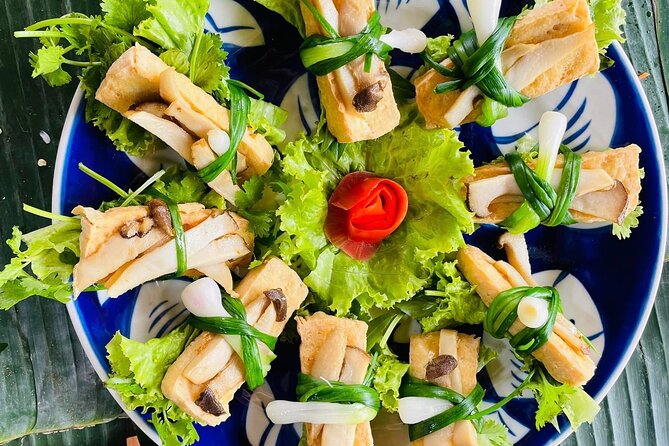
At $17 per person for about 4 hours 30 minutes, this is priced like a practical local activity rather than a heavy-markup restaurant meal.
Here’s the value breakdown in real terms:
- You get a full hands-on cooking session for four dishes
- You get lunch made from what you cook
- You get tea welcome drink and then four coffee styles
- You also get instructor support and English guidance
- You get recipes/techniques you can take home
The only “extra” mentioned is tips, which is common in many tour formats. You can also choose to do coffee-making only or cooking class only if you’re short on time, which helps you pay for exactly what you want.
If you like food but don’t want a big tour bus day, this kind of class is a sweet spot: enough structure to guide you, enough hands-on time to feel like you learned something.
Special diets and allergies: how the kitchen handles it
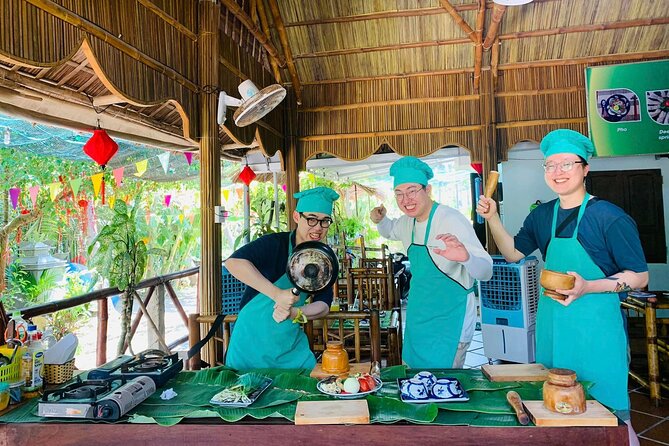
Food preferences and allergies are supported. The provider says they’re happy to cater if you email your food requirement in advance, and they’ll confirm substituting dishes or ingredients.
That’s one of the most important pieces of information for a food class. In many cooking situations, substitutions are awkward because the recipe is only partly flexible. Here, the operator states they’ll confirm changes with you ahead of time, which makes it easier to manage your risk.
If you have allergies, don’t wait until the day-of. Send the details by email when you book so they have time to adjust.
Who should book this class (and who might prefer something else)
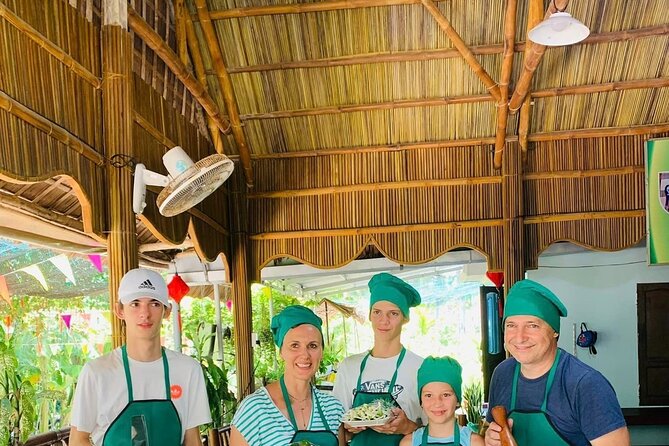
This is a great fit if you:
- want a hands-on Da Nang experience rather than a sit-and-watch meal
- love Vietnamese coffee and want to learn the phin filter method
- like structured guidance, especially when working with fish sauce and frying technique
- want a rainy-day plan that still feels social and satisfying
It may be less ideal if:
- you’re hoping for a quiet, low-stimulation experience. Cooking is active, and you’ll be moving through stations and steps.
- you need guaranteed hotel pickup. Because pickup/drop-off is unclear in the details, you’ll want confirmation for your specific booking.
Also, the class is described as especially good for a rainy day, which makes sense for an indoor cooking-and-coffee format where you stay sheltered and warm.
Should you book this Da Nang coffee making and cooking class?
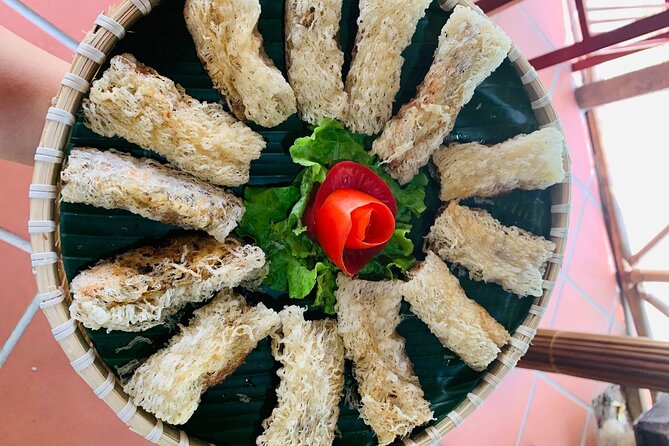
Yes, I think you should book it if your goal is practical food learning. For the price, you’re getting more than a meal: you’re learning four dishes, then applying that food confidence to a second skill—brewing Vietnamese coffee the traditional way.
Before you go, do one simple thing: confirm whether pickup/drop-off is included for your booking. Once you’ve cleared that, this is the kind of experience that leaves you with two take-home tools: recipes for Vietnamese cooking and a method for coffee that you can reproduce.
If you’re choosing only one part, consider your priorities. If coffee is your main passion, the coffee-only option can be a tidy way to focus. If you want the full comfort of lunch plus skills, take the full cooking-and-coffee session.
FAQ
How long is the Coffee Making and Cooking Class in Da Nang?
It’s about 4 hours 30 minutes.
How much does it cost?
The price is $17.00 per person.
What kinds of coffees do you make?
The coffee menu includes egg coffee, salt coffee, coconut coffee, and phin coffee.
Is the guide available in English?
Yes, the class includes an English-speaking guide and instructor.
Can the provider accommodate allergies or food preferences?
Yes. You can email your food requirement, and they will confirm substituting dishes or ingredients.
Is free cancellation available?
Yes. You can cancel up to 24 hours in advance for a full refund. If you cancel less than 24 hours before the start time, the amount paid is not refunded.
More Tour Reviews in Da Nang
- Da Nang: Lady Buddha, Marble Mountains, and Am Phu Cave Tour
★ 4.7 · 3,373 reviews - Full Day Golden Bridge and Ba Na Hills Small Group Tour
★ 5.0 · 2,369 reviews - From Da Nang/Hoi An: Golden Bridge Ba Na Hills Full-Day Tour
★ 4.7 · 1,737 reviews - Da Nang: Han River Local Cruise by Night
★ 4.1 · 1,152 reviews - Da Nang: Golden Bridge, Lady Buddha, Marble Mt & Am Phu Cave
★ 5.0 · 1,147 reviews - Morning Small group to Marble Mountains – Am Phu Cave – Monkey Mountain
★ 5.0 · 1,097 reviews
The Da Nang Coffee Table
- Da Nang Coffee Making Workshop
★ 4.9 · 543 reviews - Da Nang Cooking Class with Coffee Tasting and Market Visit
★ 5.0 · 310 reviews - DaNang Farm-to-Table Cooking Class with Market and Coffee Tasting
★ 5.0 · 131 reviews - Da Nang Coffee Making Workshop
★ 5.0 · 26 reviews - Da Nang Vegetarian Cooking and coffee Class
★ 4.6 · 11 reviews - Da Nang Coffee Making and Banh Mi Class
★ 5.0 · 11 reviews
Aprons On in Da Nang
- 5 Dishes Cooking Class with Market Trip in Da Nang
★ 5.0 · 466 reviews - Da Nang Authentic Home Cooking Class
★ 5.0 · 354 reviews - 5 traditional dishes Da Nang cooking class with market trip
★ 5.0 · 331 reviews - Da Nang Cooking Class with Coffee Tasting and Market Visit
★ 5.0 · 310 reviews - Hoi An: Lantern Making, Basket Boat, and Cooking Class
★ 4.9 · 233 reviews - RICE PAPER Noodle Making Experience & Hoi An Cooking Class Class
★ 5.0 · 164 reviews
Just Added: The Newest Da Nang Reviews



Da Nang Cooking Classes, side by side.
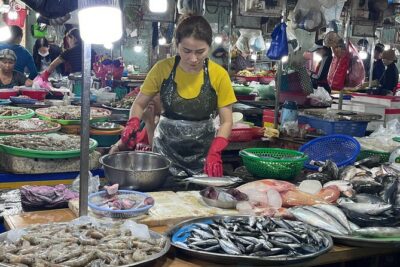 ★ 5.05 Dishes Cooking Class with Market Trip in Da NangFrom $39466 reviews
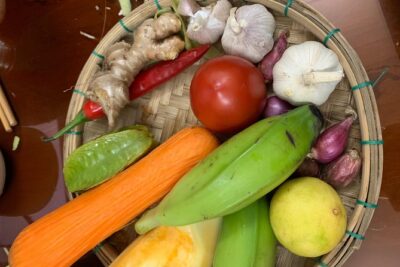 ★ 5.0Da Nang Authentic Home Cooking ClassFrom $36354 reviews
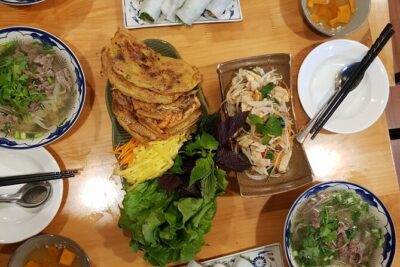 ★ 5.05 traditional dishes Da Nang cooking class with market tripFrom $39331 reviews
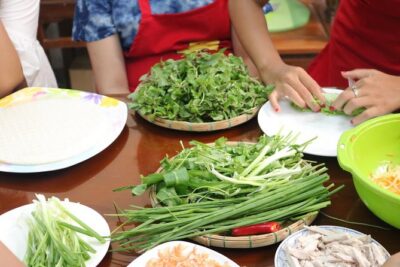 ★ 5.0Da Nang Cooking Class with Coffee Tasting and Market VisitFrom $45310 reviews
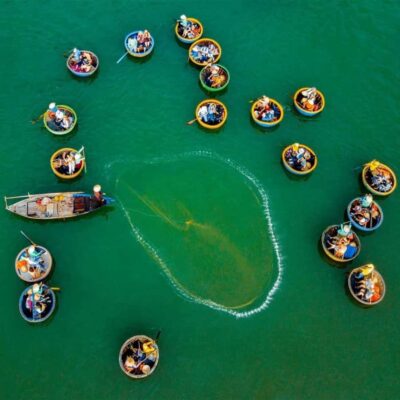 ★ 4.9Hoi An: Lantern Making, Basket Boat, and Cooking ClassFrom $15233 reviews
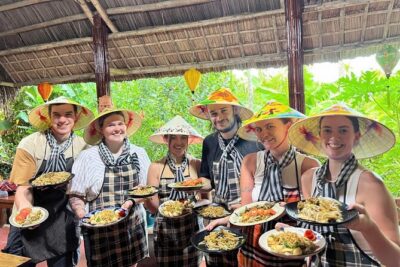 ★ 5.0RICE PAPER Noodle Making Experience & Hoi An Cooking Class ClassFrom $33164 reviews
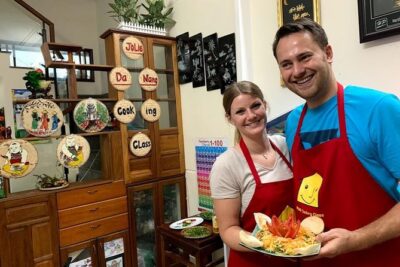 ★ 5.0DaNang Farm-to-Table Cooking Class with Market and Coffee TastingFrom $60131 reviews
 ★ 5.0My Son Sanctuary Guided Tour with Rice Paper Making from Da NangFrom $27115 reviews
Lists featuring this tour