
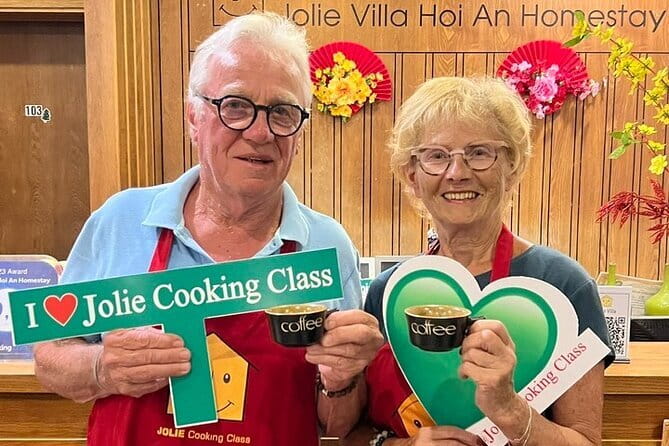
REVIEW · DA NANG COFFEE WORKSHOPS
Da Nang Coffee Making and Banh Mi Class
Coffee, then banh mi. That’s the plan. This Da Nang coffee-making and banh mi class near the Dragon Bridge is a relaxed, hands-on food session where you learn by doing, not by watching. You’ll start with Vietnamese-style coffee and end with a sandwich you assembled yourself.
I especially like the way this class mixes real technique and real tasting. You brew multiple local coffee styles, including coconut coffee and salted coffee, and you get to compare them while they’re fresh.
The main thing to consider is that there’s no pickup or drop-off, so you’ll want a simple plan to get yourself to Jolie Cooking Class and back.
In This Review
- Key things to know before you go
- Why This Da Nang Class Puts You in the Kitchen Fast
- Jolie Cooking Class: A Cozy Stop Near Dragon Bridge
- Vietnamese Coffee Session, Including Coconut and Salted Cups
- Banh Mi Filling Prep and Sandwich Assembly Like a Local
- What the Coffee-and-Banh Mi Tasting Actually Feels Like
- Small Group Size and Group Vibe (Including Teens)
- Price and Value: What $35 Buys in 3.5 Hours
- Getting There and Timing Your Afternoon Without Stress
- Should You Book? My Simple Decision Guide
- FAQ
- Where is the meeting point for the class?
- How long does the experience last?
- Is this a small group activity?
- What’s included in the price?
- Is pick-up or drop-off included?
- Do I get a mobile ticket?
- What does the class cover, step by step?
- Where does the activity end?
- Is there a cancellation option if plans change?
Key things to know before you go
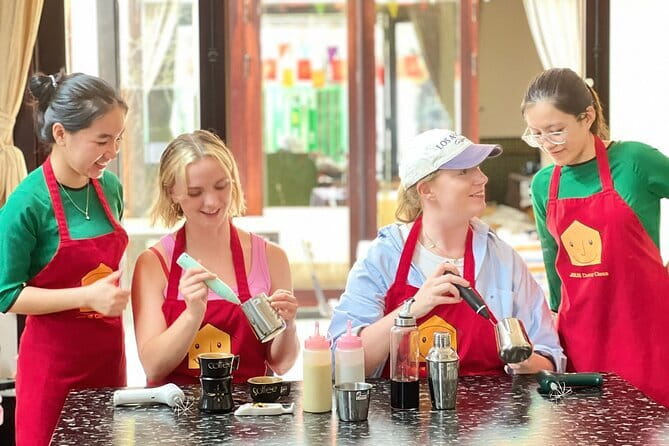
- Small group (max 12) keeps it friendly and interactive.
- Near Dragon Bridge makes it easy to pair with other sights.
- Coffee variety you can taste includes coconut and salted options.
- Banh mi building is hands-on with fillings and sandwich assembly.
- Family-style host energy makes the class feel casual, not stiff.
- Works well for teens and kids when you want something practical and fun.
More Vietnamese coffee to sit down with
- Da Nang Cooking Class with Coffee Tasting and Market Visit★ 5.0 · 310 reviews
- DaNang Farm-to-Table Cooking Class with Market and Coffee Tasting★ 5.0 · 131 reviews
- Da Nang Coffee Making Workshop★ 5.0 · 26 reviews
- Coffee Making and Cooking Class★ 5.0 · 12 reviews
Why This Da Nang Class Puts You in the Kitchen Fast
Some food tours stop at, here’s a bite, thanks for coming. This one moves at a better pace. You’re not just tasting Vietnamese coffee or nibbling banh mi—you’re making parts of it with guidance, then eating what you prepared.
The value here is the combination: coffee + banh mi in one sitting, done in a small-group format. That matters because both foods are big in Da Nang food life, and you get context while your hands are busy. It’s an efficient way to learn the “how” and the “why” without needing cooking experience.
Also, the class is built to be easy. The format is simple: make coffee, taste it, prep banh mi fillings, assemble your sandwich, then enjoy. That flow is great when you want a fun afternoon that doesn’t require advanced skills, strong stomach timing, or an obsessive schedule.
If you’re traveling with food-focused friends, this also works because it creates something to talk about mid-class. Coffee differences come up while you’re working, and banh mi filling choices make people compare their flavor combos at the end.
Jolie Cooking Class: A Cozy Stop Near Dragon Bridge
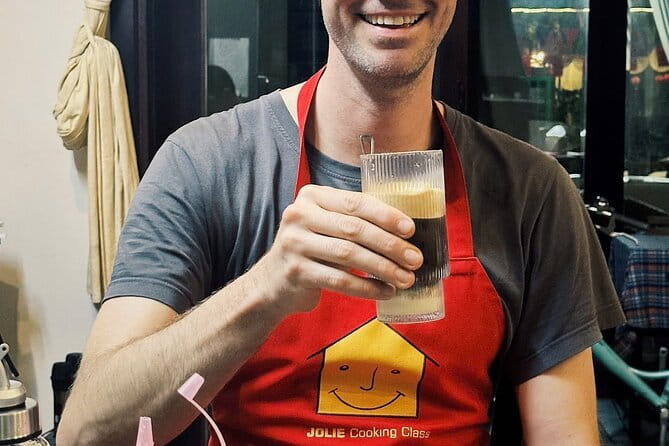
You meet at Jolie Cooking Class at 14 An Trung Đông 6, An Hải Bắc, Sơn Trà, Đà Nẵng 55000. The location near the Dragon Bridge is one of the easiest perks. It’s not out in the countryside, so you’re not budgeting time for a long transfer.
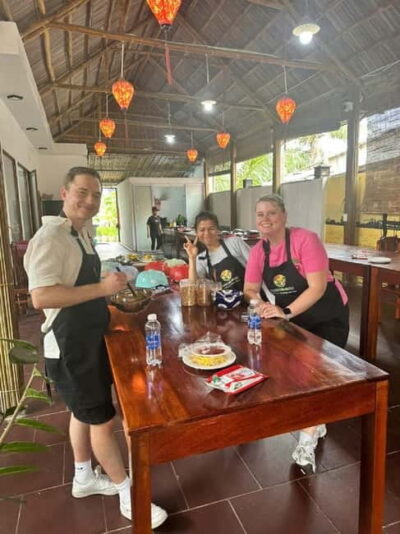
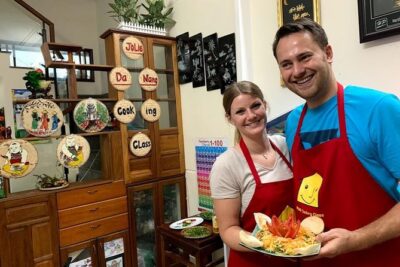
The space itself is described as cozy and local. That’s not just a vibe point—it changes how the class feels. A smaller, family-like setting usually means you can ask questions without feeling like you’re taking over a formal classroom. The experience is designed to be social and relaxed, which makes it a good pick when you don’t want a performance and you’d rather learn with people around you.
You also don’t have to worry about a complicated end point. The activity ends back at the meeting point, so you’re not left guessing where you’ll be dropped for dinner plans.
One practical note: you’re responsible for getting there. There’s no pickup or drop-off included, so if you’re staying far from Sơn Trà or the Dragon Bridge area, you’ll want to plan your route ahead of time.
Vietnamese Coffee Session, Including Coconut and Salted Cups
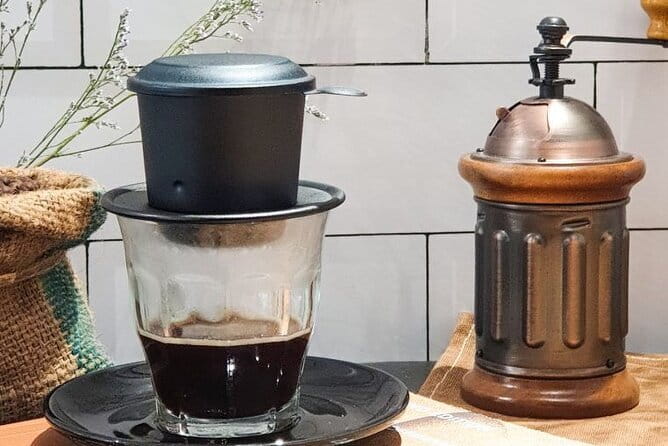
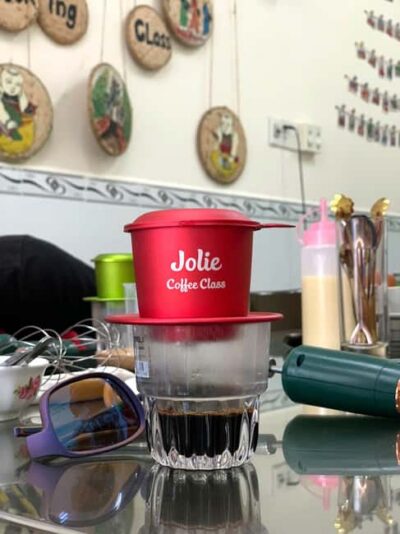
The class kicks off with a Vietnamese coffee-making session using classic local methods. The goal isn’t just to produce a cup—it’s to help you understand what makes Vietnamese coffee taste the way it does and how different versions relate to each other.
You’ll brew your own coffee and then taste it. That’s a key learning trick: tasting while the coffee is still fresh helps you connect flavor to process. It also helps you notice differences more clearly than if you only ever see coffee on a menu.
One of the strongest highlights is the variety you’ll get to make and sample. In particular, coconut coffee and salted coffee are called out as favorites. Coconut coffee tends to feel sweet and aromatic, while salted coffee usually lands with a different kind of balance—less “plain sugar sweetness,” more a hint of contrast that keeps you interested in every sip.
You’ll also hear explanations from your host throughout the session, with a focus on Vietnamese food culture. That cultural context is useful because coffee in Vietnam isn’t only about caffeine. It’s tied to daily rhythm—cafés, conversations, and comfort—so the class helps you appreciate what you’re drinking beyond the flavor alone.
In one standout note from the experience, the instructor Hanna makes the differences clear and keeps the sequence logical. Coffees build on what you already understand, so it doesn’t feel like random facts. It feels like a mini story of how flavors relate.
Banh Mi Filling Prep and Sandwich Assembly Like a Local
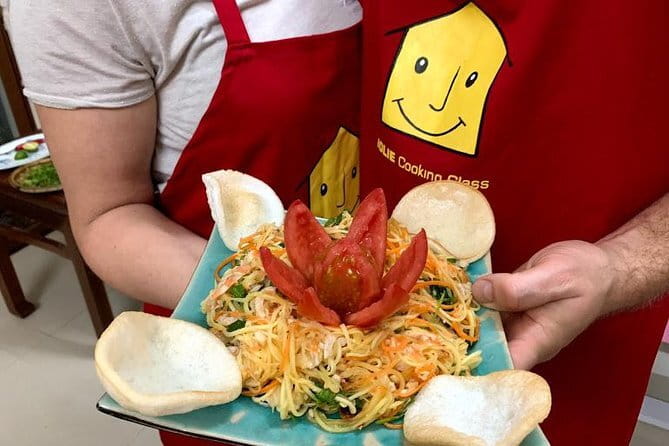
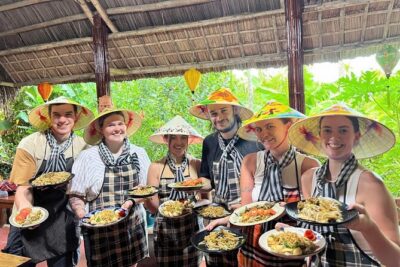
After coffee, you shift gears to banh mi—but in a way that’s more hands-on than you might expect. You prepare banh mi fillings and then assemble your own sandwich using prepared bread.
The class doesn’t treat banh mi as one flavor. Instead, it emphasizes how key ingredients balance each other. That approach helps you build a mental map of the sandwich: what tends to bring brightness, what brings savory depth, and what changes the overall feel when you adjust portions.
You’ll work with ingredients and equipment provided. That’s one of those “small” inclusions that actually matters. If you’ve ever tried to learn cooking basics while traveling, you know how frustrating it is to hunt for tools, ingredients, or spare time. Here, you get the structure and the setup so you can focus on learning the process.
You’ll also get to put the sandwich together your own way. That’s a big part of why the experience sticks. You don’t just watch someone assemble banh mi on a cutting board. You’re the one deciding how full to make it, how you distribute fillings, and what your final flavor combo will be.
By the end, you’ll have a coffee-and-banh mi pairing that you created. That makes it easier to remember what you learned, because your brain links the lesson to the result.
More Da Nang tours we have been out and rated
What the Coffee-and-Banh Mi Tasting Actually Feels Like
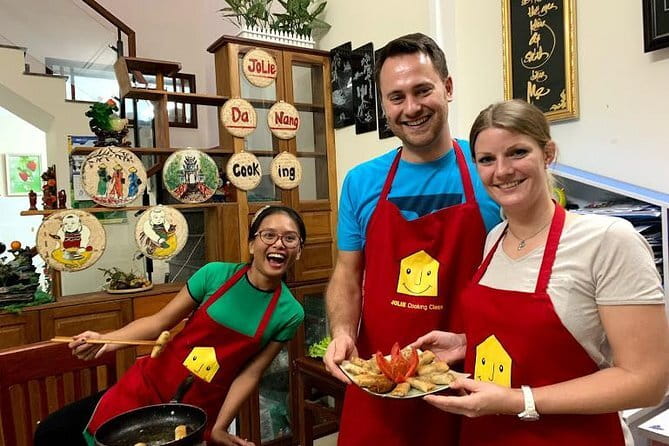
The tasting isn’t tacked on at the end like a token sample. It’s built into the process.
First, you taste what you brewed. That immediately teaches you that small changes can alter the cup. Even if you can’t fully “read” the chemistry of a coffee recipe, you can still notice sweetness, strength, and balance. That’s where the coconut coffee and salted coffee experience becomes memorable: you’re not just hearing that flavors differ; you’re comparing them in real time.
Then, after assembling your banh mi, you eat what you made together. You’re getting two Vietnamese favorites in one sitting, and the class helps you understand how they complement each other. Coffee often brings warmth and contrast, while banh mi delivers a satisfying mix of savory and fresh elements.
I also like that the host shares insights in a friendly, local family setting. It turns the tasting into a conversation about what’s normal in Vietnamese food culture, rather than a lecture where you forget everything ten minutes later.
If you enjoy food that has layers—sweet/salty, hot/cool, crunchy/soft—this class delivers. It’s also a good way to leave Da Nang with more than photos. You leave with a practical sense of flavors you can look for again on menus.
Small Group Size and Group Vibe (Including Teens)
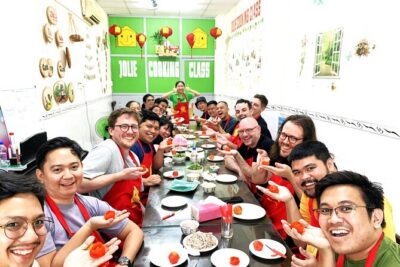
This is capped at 12 travelers. That’s a sweet spot. It’s small enough that you don’t get lost in a crowd, but big enough that it still feels social.
The class is designed to be fun and easy to follow. It’s also a good fit for teens and even kids who are curious about real food. In one review highlight, the instructors handled a 10-year-old and a 13-year-old well—keeping the session active and understandable. The coffee portion worked like a progression: each coffee built on the last, so young learners stayed engaged instead of getting overwhelmed.
If you’re traveling solo, small group classes are often a plus because you get quick conversation without awkward time gaps. If you’re traveling as a couple or with friends, it’s also a good shared activity. You can compare your coffee tastes and laugh at your own banh mi assembly style.
Language isn’t described as a barrier in the information you provided, but in general, hands-on cooking formats tend to be forgiving. You learn through steps, not only words.
Price and Value: What $35 Buys in 3.5 Hours
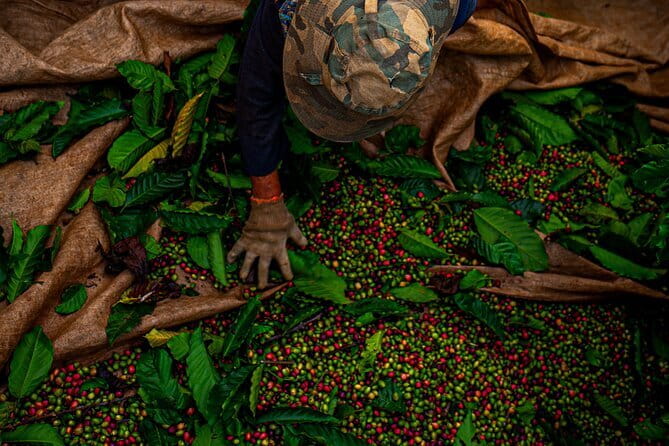
At $35 per person for about 3 hours 30 minutes, the price is in the “worth it” zone for an activity that includes both ingredients and instruction. You’re paying for a planned, guided session—not just a place to buy coffee and eat banh mi.
Here’s where the value shows up:
- Multiple items are included: coffee-making plus banh mi fillings and sandwich assembly.
- Tasting is part of the lesson, not an add-on.
- Ingredients and equipment are provided, so you’re not paying extra for supplies.
- The group is small (max 12), so instruction time doesn’t disappear into a large crowd.
Could you buy coffee and banh mi on your own for less? Sure. But you’d miss the structure: you’d be guessing what makes each coffee style distinct, and you’d have less control over your learning.
I also think it’s a good deal if you’re staying in the Dragon Bridge area anyway. The location keeps extra time costs low, and you can turn the class into a full food-focused afternoon without turning it into a half-day logistics project.
If you want a straightforward way to spend money that supports local teaching and ends with a meal, this is one of the cleaner bets in Da Nang.
Getting There and Timing Your Afternoon Without Stress
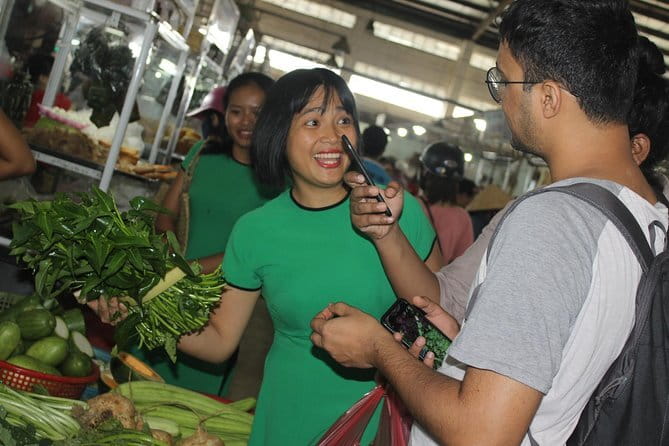
This experience uses a mobile ticket, and it starts at the Jolie Cooking Class meeting point near Dragon Bridge. The class duration is about 3 hours 30 minutes, and it ends back at the same spot.
Because there’s no pick-up or drop-off, your biggest timing job is transport. Plan to arrive a little early so you’re not rushing at the start. Also, the location is near public transportation, which helps if you’re moving around Da Nang by bus or easy local routes.
A good way to think about scheduling: treat this as a main activity, not a quick side stop. Coffee and banh mi take time to learn and assemble. If you slot it too close to another must-do activity, you’ll feel pressure instead of enjoying the lesson.
As for booking, the information you provided suggests this is commonly booked about 11 days in advance on average. If you’re traveling during a busier time, booking earlier is smart—especially if you want a specific day.
Should You Book? My Simple Decision Guide
Book this class if you want a hands-on food lesson in Da Nang that ends with a real meal, and you’d rather learn through making than through a long explanation. It’s also a great match if you’re traveling with kids or teens who like practical activities. The coconut and salted coffee tastings make it more interesting than the usual single “coffee stop.”
Skip it if you hate cooking-style activities, or if the lack of pickup/drop-off would create real stress for your day. If you’re already far from Sơn Trà or the Dragon Bridge area, you may spend more time getting there than you’d like.
If you’re deciding between doing another museum or another food tour, I’d lean this direction. It gives you something you can repeat in your own kitchen: coffee flavors to look for, and a better sense of how banh mi fillings work together.
FAQ
Where is the meeting point for the class?
You meet at 14 An Trung Đông 6, An Hải Bắc, Sơn Trà, Đà Nẵng 55000, Vietnam.
How long does the experience last?
The class lasts about 3 hours 30 minutes (approximately).
Is this a small group activity?
Yes. The group size has a maximum of 12 travelers.
What’s included in the price?
The price includes the coffee making session, banh mi fillings and sandwich assembly, ingredients and equipment, and the coffee and banh mi tasting, along with a small-group class.
Is pick-up or drop-off included?
No. Pick up and drop off are not included.
Do I get a mobile ticket?
Yes. The experience includes a mobile ticket.
What does the class cover, step by step?
You’ll make and taste Vietnamese coffee first, then prepare banh mi fillings and assemble your sandwich using prepared bread, and finally eat what you made.
Where does the activity end?
The activity ends back at the meeting point.
Is there a cancellation option if plans change?
Yes. You can cancel for a full refund up to 24 hours before the experience starts, with the cutoff based on local time.
If you want, tell me your hotel area (or nearest landmark) and the day/time you’re thinking. I’ll help you judge whether this class fits smoothly into your Da Nang plan.
More Workshops in Da Nang
- Da Nang Coffee Making Workshop
★ 4.9 · 543 reviews - 5 Dishes Cooking Class with Market Trip in Da Nang
★ 5.0 · 466 reviews - Da Nang Authentic Home Cooking Class
★ 5.0 · 354 reviews - 5 traditional dishes Da Nang cooking class with market trip
★ 5.0 · 331 reviews - Da Nang Cooking Class with Coffee Tasting and Market Visit
★ 5.0 · 310 reviews - Hoi An: Lantern Making, Basket Boat, and Cooking Class
★ 4.9 · 233 reviews
More Tour Reviews in Da Nang
- Da Nang: Lady Buddha, Marble Mountains, and Am Phu Cave Tour
★ 4.7 · 3,373 reviews - Full Day Golden Bridge and Ba Na Hills Small Group Tour
★ 5.0 · 2,369 reviews - From Da Nang/Hoi An: Golden Bridge Ba Na Hills Full-Day Tour
★ 4.7 · 1,737 reviews - Da Nang: Han River Local Cruise by Night
★ 4.1 · 1,152 reviews - Da Nang: Golden Bridge, Lady Buddha, Marble Mt & Am Phu Cave
★ 5.0 · 1,147 reviews - Morning Small group to Marble Mountains – Am Phu Cave – Monkey Mountain
★ 5.0 · 1,097 reviews
The Da Nang Coffee Table
- Da Nang Coffee Making Workshop
★ 4.9 · 543 reviews - Da Nang Cooking Class with Coffee Tasting and Market Visit
★ 5.0 · 310 reviews - DaNang Farm-to-Table Cooking Class with Market and Coffee Tasting
★ 5.0 · 131 reviews - Da Nang Coffee Making Workshop
★ 5.0 · 26 reviews - Coffee Making and Cooking Class
★ 5.0 · 12 reviews - Da Nang Vegetarian Cooking and coffee Class
★ 4.6 · 11 reviews
Just Added: The Newest Da Nang Reviews




Da Nang Coffee Workshops, side by side.
 ★ 4.9Da Nang Coffee Making WorkshopFrom $17543 reviews
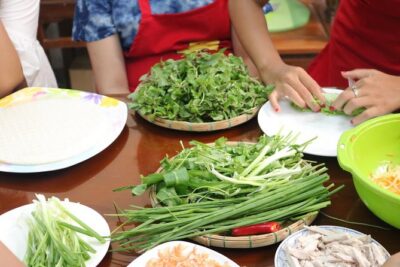 ★ 5.0Da Nang Cooking Class with Coffee Tasting and Market VisitFrom $45310 reviews
 ★ 5.0DaNang Farm-to-Table Cooking Class with Market and Coffee TastingFrom $60131 reviews
★ 5.0Da Nang Coffee Making WorkshopFrom $1726 reviews
★ 5.0DaNang Farm-to-Table Cooking Class with Market and Coffee TastingFrom $60131 reviews
★ 5.0Da Nang Coffee Making WorkshopFrom $1726 reviews
 ★ 5.0Coffee Making and Cooking ClassFrom $1712 reviews
 ★ 4.6Da Nang Vegetarian Cooking and coffee ClassFrom $1711 reviews
 ★ 5.0Da Nang Coffee Making and Vietnamese Home Cooking ClassFrom $607 reviews
 ★ 5.0Coffee Making And Cooking ClassFrom $507 reviews
Lists featuring this tour