

REVIEW · WORKSHOPS
Da Nang: Tandoori Naan Bread-Making Class
A hot naan is comfort food in bread form. This Da Nang class turns tandoori naan into something you can actually make, not just admire. You’ll learn the why behind the technique, and you’ll finish with warm bread you helped bake.
I love that it’s hands-on from first knead to last bake. You work with the dough, season it, and get that big moment where you slap naan onto the heat source. I also like how the class doesn’t stop at bread: you get history and practical guidance so you can cook similar results at home.
One consideration: it’s not a full kids activity. It’s not suitable for children under 7, and the class is designed for adults and teens who want to work with dough and heat.
In This Review
- Key things I’d put on your radar
- RANG Danang’s kitchen: where Michelin-level Indian comfort meets a naan lesson
- From dough kneading to tandoor-style baking: what your 1-day naan class really does
- 1) The dough start: knead, watch, adjust
- 2) Shape and get ready for the heat
- 3) The tandoor moment: slap onto the heat
- 4) Tandoori naan basics plus variations
- 5) Bake, take a breath, then taste
- Pro tips for restaurant-quality naan at home: no tandoor required
- Dips, dips, and more dips: how they teach you to eat naan
- Value check: why $2.60 can make sense for what you get
- Who should book (and who should skip) this Da Nang naan class
- Practical day-of tips so you leave with better naan (and fewer headaches)
- Should you book this Da Nang Tandoori Naan class?
- FAQ
- How long is the Da Nang Tandoori Naan Bread-Making Class?
- Where does the class take place?
- Is prior experience needed?
- How big is the group?
- What languages are used during the class?
- What’s included in the experience?
- Is it suitable for children?
- Is alcohol allowed?
Key things I’d put on your radar
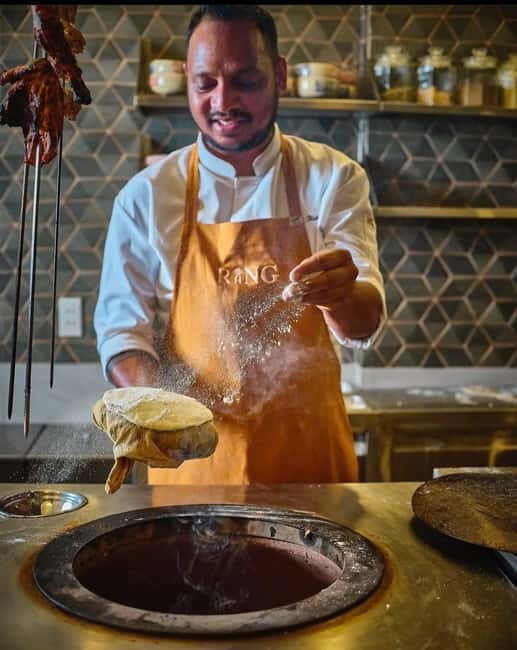
- Real kitchen energy at RANG: a restaurant setup where staff are cooking while you learn
- Small group limit of 8: more time with the chef and less waiting around
- English, Vietnamese, Hindi support: helpful if your language skills are mixed
- Tandoor-style slap, even with home alternatives: learn the move, then adapt the method
- Regional naan context: Punjab to Delhi-style influences, explained alongside technique
- Signature dips included: you taste your naan the way it’s meant to be eaten
More Da Nang tours we have been out and rated
- Da Nang Coffee Making Workshop★ 4.9 · 543 reviews
- 5 Dishes Cooking Class with Market Trip in Da Nang★ 5.0 · 466 reviews
- Da Nang Authentic Home Cooking Class★ 5.0 · 354 reviews
- 5 traditional dishes Da Nang cooking class with market trip★ 5.0 · 331 reviews
RANG Danang’s kitchen: where Michelin-level Indian comfort meets a naan lesson
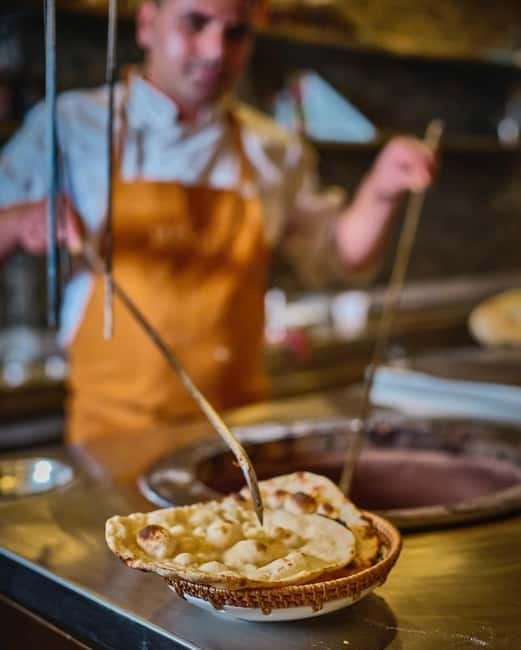
If you’re trying to choose between a “watch someone cook” activity and a real skills class, this one leans toward the practical side. The meeting point is RANG, an Indian restaurant in Da Nang that earned the MICHELIN Bib Gourmand award in 2024 and 2025. That matters because it tells you the food standards are already there before the class starts. You’re not learning from a kitchen that’s guessing.
The vibe also feels restaurant-real. The class happens in the restaurant’s working kitchen, while other chefs prepare food for the regular dining crowd. That background hum helps the whole experience feel like food culture, not a staged demo. And because it’s a small group capped at 8, you’re usually close enough to see what the chef is doing and quick enough to ask questions without feeling rushed.
Language support is another practical plus. The instructor is listed as speaking English, Vietnamese, and Hindi, which gives you multiple ways to understand the steps. Even if you only catch part of the explanation, you can follow along with the hands-on part: dough texture, shaping, seasoning, and timing.
Finally, this is an Indian-bread-focused activity. You’re not expected to cook a full multi-dish meal. You’re expected to learn how to make naan properly, and then use it with the restaurant’s dips at the end. That’s a good match if you want a specific takeaway you can actually repeat later.
From dough kneading to tandoor-style baking: what your 1-day naan class really does
This class is built around one central goal: making tandoori naan from scratch, with technique you can repeat. No prior experience is required, and the structure is beginner-friendly, so you’re not graded like a home baker. You’re guided like a learner who also wants delicious results.
Here’s the flow you can expect:
1) The dough start: knead, watch, adjust
The process begins with kneading dough. Naan dough needs the right feel to bake into that soft, fluffy texture people expect. You’ll work dough with guidance, and you’ll learn what to look for as it comes together. This part is more than busywork. It’s where bread texture is born, and it’s where most people struggle at home.
You’ll also get seasoning direction using authentic Indian spices. That’s key. Naan isn’t just “bread with toppings.” It’s dough + seasoning + heat + technique, all interacting.
2) Shape and get ready for the heat
Next comes shaping. Naan usually looks simple, but shaping matters because it affects thickness. Too thick and you get undercooked spots. Too thin and you risk drying out. The chef explains how to handle the dough so it stays supple and doesn’t fight you.




3) The tandoor moment: slap onto the heat
Then you get the signature part: the thrill of slapping naan onto a tandoor (or, in home terms, an oven alternative). Even when the class uses a tandoor-style setup, the lesson is really about understanding the heat contact and speed.
That’s one reason the class sticks better than watching videos. You learn the motion and the timing in a controlled, supervised setting.
4) Tandoori naan basics plus variations
The class also frames naan as a flexible bread. You’ll learn how naan fits into Indian meals and how you can vary it. The description specifically points to options like plain naan and flavored versions, including garlic and butter, plus stuffed variations such as paneer or keema.
This matters because when you go home, you won’t just make one version forever. You’ll know how to steer the bread toward the flavors you love.
5) Bake, take a breath, then taste
Finally, you taste your freshly baked naan. And this isn’t a sad “sample one bite” situation. You get your own naan experience plus signature dips for dipping and eating while the bread is warm.
That warm-food finish is a big part of why cooking classes can feel worth it. You see results immediately, not a day later after crumbs cool into regrets.
Pro tips for restaurant-quality naan at home: no tandoor required
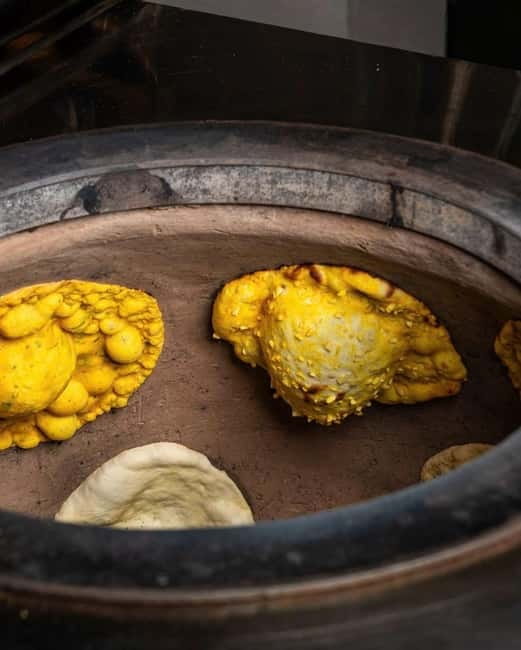
The best part of any cooking class is what happens after. Here, you get practical guidance aimed at home cooking, including tips for how to recreate naan without a tandoori oven.
Since you’re learning a bread that depends heavily on heat intensity, you’ll want the right substitutions. The class focuses on that exact problem: how to translate tandoor technique into a normal oven or home setup.
What you’ll likely walk away with:
- Dough prep guidance so your naan isn’t dense or tough
- Tips tied to heat and timing, since that’s where naan texture is won or lost
- How to use creative toppings or flavors like garlic and butter
- How to approach stuffed variations, if you want to level up after your first success
A practical takeaway: you’ll be learning the bread mechanics, not just copying one batch. That helps you adjust when your kitchen is different. Your flour might absorb more or less. Your oven runs hotter or cooler. The home tips are meant to help you correct without panicking.
And if you’re the type who likes to understand why things work, the class includes that context too. Naan is tied to different regional meanings and traditions. You’ll hear about its significance across places like Punjab and Delhi, with explanations about what makes naan such a must-have alongside curry.
So when you recreate it at home, you’re not guessing at flavor logic. You’re building a naan mindset.
Dips, dips, and more dips: how they teach you to eat naan
This isn’t only a bread-making workshop. You also get an eating moment that ties the bread back to Indian flavors. Signature dips are included, and they’re part of how the class reinforces what naan is for on the plate.
Naan is usually the tool for scooping and soaking. It carries sauce, balances heat, and gives you soft chew against spiced dishes. If you’ve ever tried to eat curry with plain rice and felt like something was missing, naan fixes that.
One small detail that’s worth knowing: the experience is described as fun and interactive, and the restaurant side doesn’t sound pushy. The takeaway is that you can enjoy your class-baked naan right there with dips, and if you want to add a fuller meal, the restaurant setting makes it easy to continue eating without turning the day into a sales pitch.
So you leave with two wins:
1) You know how to make the bread.
2) You know how to eat it immediately, in a way that matches how it works with Indian dishes.
Value check: why $2.60 can make sense for what you get
At $2.60 per person, this class is priced in a way that feels almost too low for what’s included: a hands-on naan-making session, expert chef guidance, freshly baked naan tasting, and signature dips.
Now, the smart way to judge value isn’t just the number. It’s what you receive relative to the learning experience. Cooking classes that teach technique (not just plating) usually cost more because you’re paying for time, ingredient handling, and instruction. This one also includes history and technique context, plus a small group format limited to 8 participants.
Add in the fact that the class happens at RANG, a restaurant recognized with MICHELIN Bib Gourmand. That suggests quality ingredients and a kitchen that already knows how to feed people well, which is the right environment for a bread class.
Even if you only master the first simple naan version, you still gain a repeatable skill. Bread is hard to get right at home, so learning it with real guidance is a legitimate value play.
Who should book (and who should skip) this Da Nang naan class
This is a strong fit if:
- You’re a beginner and want a confidence-building bread skill
- You like Indian food and want to understand how naan supports curry meals
- You want a hands-on activity that’s actually different from sightseeing
- You enjoy learning in a small group, with a real chef guiding each step
It’s also ideal if you’re curious about tandoor technique but don’t have a tandoor at home. The class doesn’t pretend you can replicate everything exactly. Instead, it focuses on making the heat and method translate to your oven.
Consider skipping if:
- You’re traveling with children under 7, since the class isn’t suitable for them
- You want a full-day itinerary of multiple cooking stations and dishes. This experience is centered on naan, and that focus is the point.
Practical day-of tips so you leave with better naan (and fewer headaches)
Even without fancy prep, you can set yourself up for success.
- Go in hungry, but not stuffed. You’ll bake and taste naan, and signature dips reward an honest appetite.
- Expect hands-on work. You’ll knead dough and participate in the shaping and baking steps. Comfortable, easy-to-move clothing helps.
- Ask about home adaptation early. The class includes tips for making naan without a tandoor, and it’s worth clarifying what your oven can handle while you’re still in the learning mode.
- Keep an eye on dough feel, not just time. Bread outcomes track with texture cues as much as they do with minutes.
One more helpful note: no alcohol and drugs are allowed. That keeps the setting comfortable and focused.
Should you book this Da Nang Tandoori Naan class?
If you want one culinary activity in Da Nang that gives you a real skill, this is an easy yes. The main reason is simple: you’re not just tasting naan, you’re learning how to make it, including how to adapt the method at home. Add in the small group format and the fact that it runs through RANG’s real, Michelin-recognized restaurant kitchen, and you’re getting good food culture without the usual fluff.
I’d especially recommend it if you’re the type who cooks later and wants results. Naan is forgiving when you understand the dough and heat basics. This class is built to teach those basics, then hand you bread warm enough to confirm you got it right.
If you’re not excited by bread or you need a kid-friendly class for younger children, then choose something else. But for most adults and older teens who like Indian food, this is a practical, fun, low-cost way to come home with something you can actually cook.
FAQ
How long is the Da Nang Tandoori Naan Bread-Making Class?
It’s listed as a 1-day activity.
Where does the class take place?
The meeting point is RANG, an internationally Indian restaurant in Da Nang, Vietnam.
Is prior experience needed?
No prior experience is needed. The class is described as beginner-friendly and interactive.
How big is the group?
The group is limited to 8 participants.
What languages are used during the class?
The instructor speaks English, Vietnamese, and Hindi.
What’s included in the experience?
You get the Tandoori Naan Bread-Making Class, hands-on experience, expert chef guidance, freshly baked naan tasting, and signature dips.
Is it suitable for children?
It’s not suitable for children under 7 years old.
Is alcohol allowed?
Alcohol is not allowed during the experience.
More Workshops in Da Nang
- Da Nang Coffee Making Workshop
★ 4.9 · 543 reviews - 5 Dishes Cooking Class with Market Trip in Da Nang
★ 5.0 · 466 reviews - Da Nang Authentic Home Cooking Class
★ 5.0 · 354 reviews - 5 traditional dishes Da Nang cooking class with market trip
★ 5.0 · 331 reviews - Da Nang Cooking Class with Coffee Tasting and Market Visit
★ 5.0 · 310 reviews - Hoi An: Lantern Making, Basket Boat, and Cooking Class
★ 4.9 · 233 reviews
More Tour Reviews in Da Nang
- Da Nang: Lady Buddha, Marble Mountains, and Am Phu Cave Tour
★ 4.7 · 3,373 reviews - Full Day Golden Bridge and Ba Na Hills Small Group Tour
★ 5.0 · 2,369 reviews - From Da Nang/Hoi An: Golden Bridge Ba Na Hills Full-Day Tour
★ 4.7 · 1,737 reviews - Da Nang: Han River Local Cruise by Night
★ 4.1 · 1,152 reviews - Da Nang: Golden Bridge, Lady Buddha, Marble Mt & Am Phu Cave
★ 5.0 · 1,147 reviews - Morning Small group to Marble Mountains – Am Phu Cave – Monkey Mountain
★ 5.0 · 1,097 reviews
Just Added: The Newest Da Nang Reviews





Workshops, side by side.
 ★ 4.9Da Nang Coffee Making WorkshopFrom $17543 reviews
 ★ 5.05 Dishes Cooking Class with Market Trip in Da NangFrom $39466 reviews
 ★ 5.0Da Nang Authentic Home Cooking ClassFrom $36354 reviews
 ★ 5.05 traditional dishes Da Nang cooking class with market tripFrom $39331 reviews
 ★ 5.0Da Nang Cooking Class with Coffee Tasting and Market VisitFrom $45310 reviews
 ★ 4.9Hoi An: Lantern Making, Basket Boat, and Cooking ClassFrom $15233 reviews
 ★ 5.0RICE PAPER Noodle Making Experience & Hoi An Cooking Class ClassFrom $33164 reviews
 ★ 5.0DaNang Farm-to-Table Cooking Class with Market and Coffee TastingFrom $60131 reviews
Lists featuring this tour