
REVIEW · DA NANG COOKING CLASSES
Da Nang: Making 5 Vietnamese dishes with Local Market Trip
Salted coffee and a real market—what’s better? This Da Nang experience pairs a local market hunt with hands-on cooking, and yes, you’ll make Cà Phê Muối (salted coffee) from scratch. Two big wins: you choose fresh ingredients yourself, then you cook full dishes with a supportive chef. One thing to consider: it isn’t suitable for people with food allergies, so if that applies, skip this one.
You’ll start near 85 Pham Quang Anh (An Hai, Son Tra, Da Nang) and keep things informal and practical with a small group capped at 10. Expect about 210 minutes total, with a welcome tea to get you settled before you start cooking.
In This Review
- Key Things I’d Prioritize in This Da Nang Cooking Class
- Why the Da Nang Market + Cooking Combo Works
- Arriving at 85 Pham Quang Anh: What to Expect Before You Cook
- The Local Market Trip: Choosing Ingredients Like You Mean It
- Back in the Kitchen: Stories, Techniques, and Full Hands-On Cooking
- Cà Phê Muối (Salted Coffee) and the Welcome Drinks Side of the Day
- The Feast, the Certificate, and What You Take Home
- Price and Value: Is $35 Worth It?
- Who This Da Nang Class Suits Best (And Who Should Skip It)
- Small Group Energy: The Host Style You’ll Probably Enjoy
- A Few Things to Plan For So You Don’t Lose Time
- Should You Book This Da Nang Cooking Class?
Key Things I’d Prioritize in This Da Nang Cooking Class
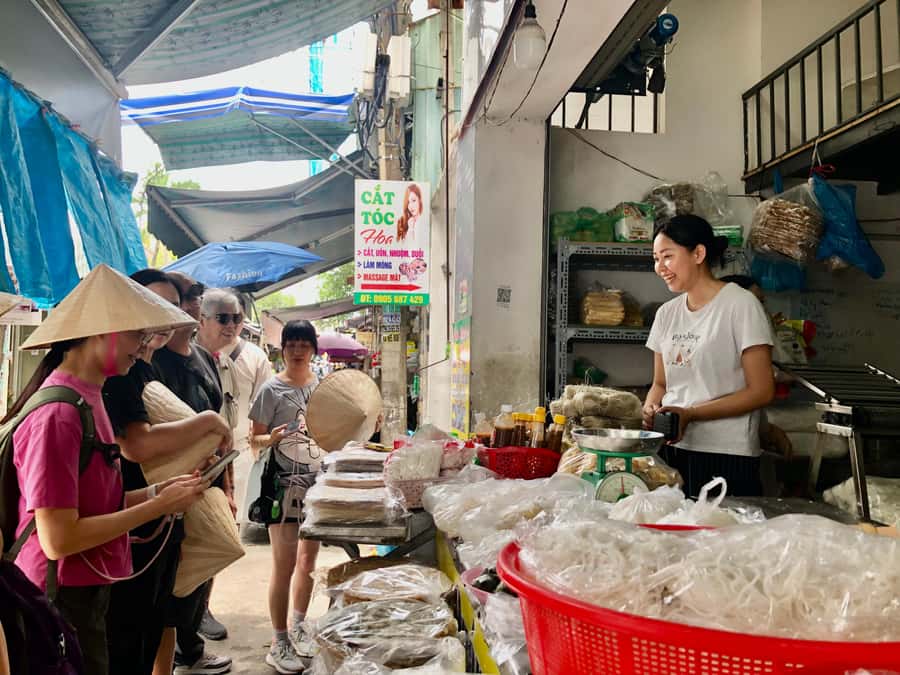
- Market-first shopping with real selection: you hand-pick ingredients after heading out with your instructor.
- Five dishes from three regions of Vietnam: you’re not just making one style of food—you learn how regions shape flavor and technique.
- Salted coffee workshop (Cà Phê Muối): the coffee part isn’t an afterthought; it’s a main event.
- A teacher who keeps it friendly and interactive: hosts/instructors you may meet include Lily, Blue, Hai, and Daisy, and the vibe stays relaxed.
- You cook everything from scratch: you’ll get technique plus “how to do it again at home” tips.
- Take-home proof and tools: you’ll get a certificate and a recipe booklet/cookbook.
Roll up your sleeves at another Da Nang cooking class
- 5 Dishes Cooking Class with Market Trip in Da Nang★ 5.0 · 466 reviews
- Da Nang Authentic Home Cooking Class★ 5.0 · 354 reviews
- 5 traditional dishes Da Nang cooking class with market trip★ 5.0 · 331 reviews
- Hoi An: Lantern Making, Basket Boat, and Cooking Class★ 4.9 · 233 reviews
Why the Da Nang Market + Cooking Combo Works
A good cooking class can stay in the kitchen and still be fun. This one adds something more useful: you get the “why” behind Vietnamese cooking by starting at the market. I like that it pushes you beyond memorizing recipes. You learn what to look for—fresh herbs, the right produce, and ingredients that make Vietnamese dishes taste like Vietnamese dishes.
The other standout is the variety. You’ll cook 5 famous Vietnamese dishes linked to three different regions, so you taste the differences that Vietnamese people actually talk about. Add in the salted coffee lesson, and the class doesn’t end when you finish eating. You’ll have a signature drink to recreate at home, not just a meal.
The practical upside is timing and volume. In about 210 minutes, you’re doing shopping, prep, cooking, and eating. If your day in Da Nang has you bouncing between sights, this is a structured block that still feels local rather than touristy.
Arriving at 85 Pham Quang Anh: What to Expect Before You Cook
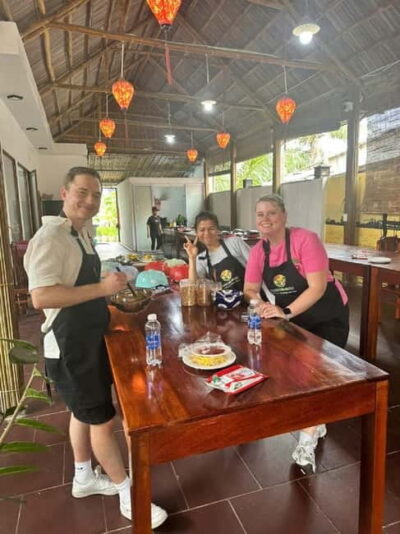
Plan to arrive about 10 minutes before your booking time at 85 Pham Quang Anh, An Hai, Son Tra, Da Nang. The class uses this short window to collect payments (if needed) and get you ready. You’ll then meet your cooking instructor and settle in before the market part starts.
A small group helps here. With a max of 10 participants, you’re less likely to get lost in the shuffle. You’ll have chances to ask questions as you cook, and your chef can correct small technique issues before they ruin a dish.
Two practical notes from the experience format:
- Transportation to/from the venue isn’t included, so you’ll want a plan to reach the meeting point.
- Wear comfortable shoes. Market time means standing, walking, and moving around without much softness underfoot.
The Local Market Trip: Choosing Ingredients Like You Mean It
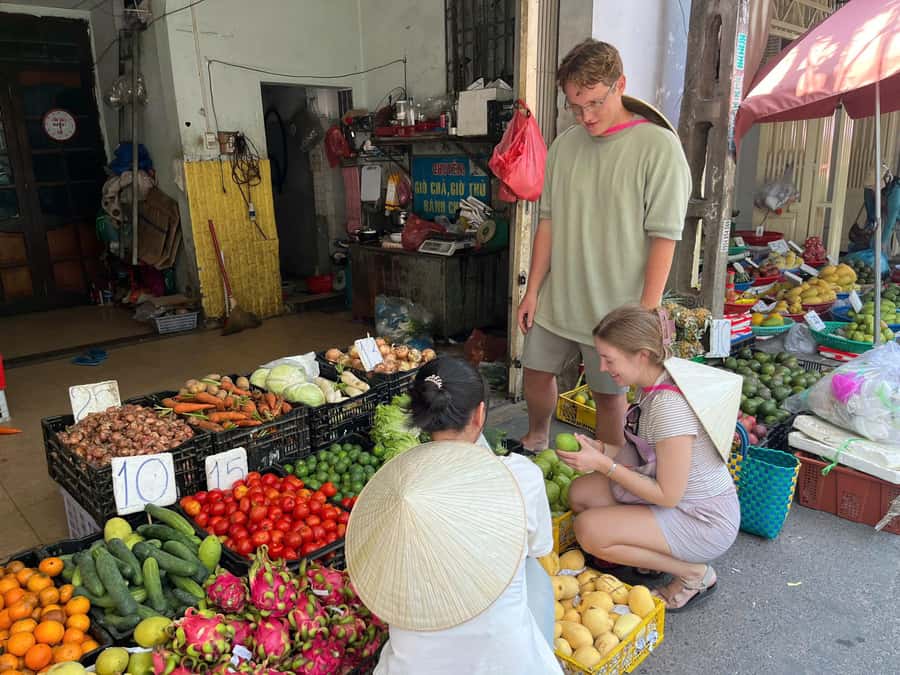
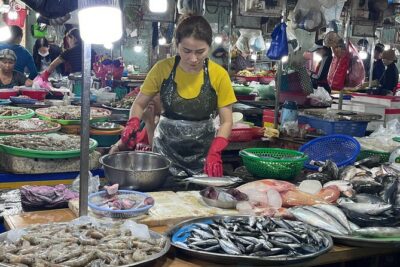
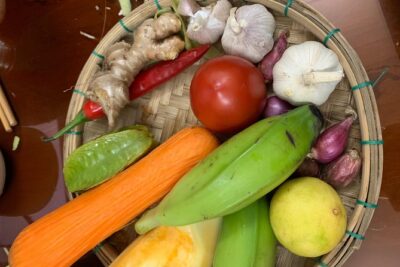
The market portion is the heart of the morning. You head out with your instructor and hand-pick ingredients for your chosen meals, which changes the whole feeling of the class. Instead of following a list that could be from anywhere, you’re selecting produce and aromatics based on what looks right in that moment.
What you gain here is simple but important: you learn how local shoppers think. Your instructor explains what to look for and how ingredients behave when cooked. That makes the later cooking steps easier. You’re not guessing whether a herb is strong enough or if something is too ripe. You’re making decisions with guidance.
From the way the class is described and the host styles in past sessions, expect the teaching to be friendly and conversational. Some hosts have also used quick, playful ways to get you moving—one guest even mentioned riding behind Lily on a motorbike to reach the market. You might see touches like that depending on day and route, but the core stays the same: you’re getting a real market experience, not a staged photo stop.
Back in the Kitchen: Stories, Techniques, and Full Hands-On Cooking
Once you return from the market, the class shifts into storytelling and technique. You’ll learn histories and stories behind the dishes, which helps the food stick in your mind. It’s not just trivia. When you understand where a dish comes from and why certain flavors are used, the steps make more sense.
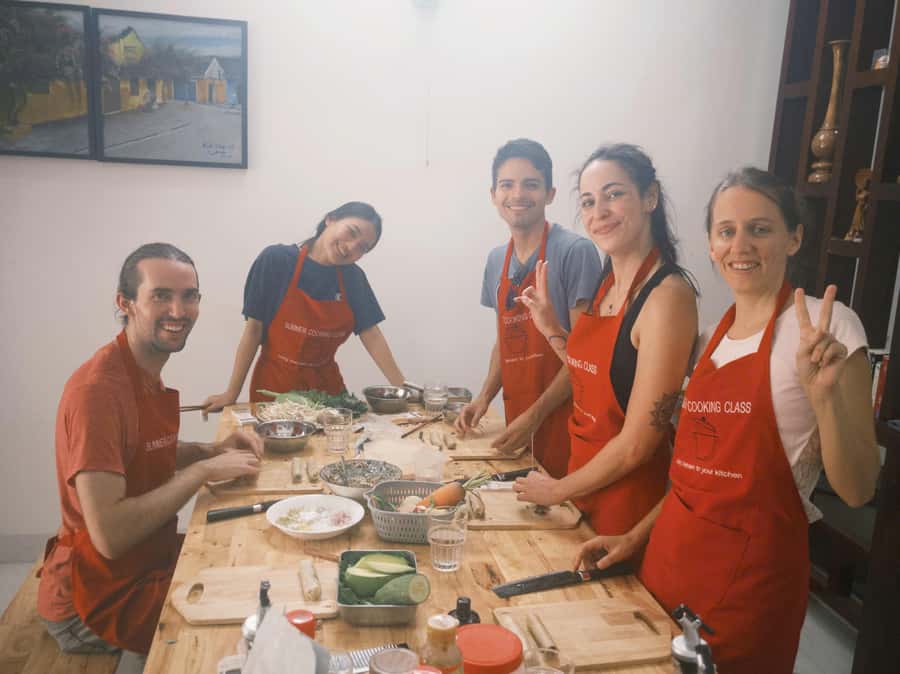
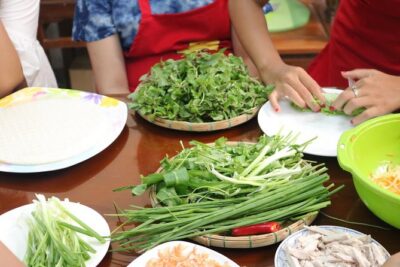
Then comes the hands-on part. You’ll make everything from scratch under the chef’s instruction. That matters because Vietnamese cooking often relies on balance—sweet/salty/acid, aromatics, and timing. If you’ve ever cooked a dish at home and thought the flavor was close but not quite right, this is the step where you fix that. You’ll learn useful cooking tips, plus a bit of Vietnamese language along the way so you can name ingredients and steps more confidently.
The class includes cooking 5 famous dishes from 3 regions. The exact menu can vary by day, but you should expect classics from different styles of Vietnamese cuisine. One dish guests specifically called out in the final meal was beef phở—which hints at the kind of comforting, aromatic dishes you may cook during the session.
Also, you’ll get a welcome drink before you start cooking (details below). It’s small, but it helps set the tone: relaxed, chatty, and ready to work.
More Da Nang tours we have been out and rated

Cà Phê Muối (Salted Coffee) and the Welcome Drinks Side of the Day
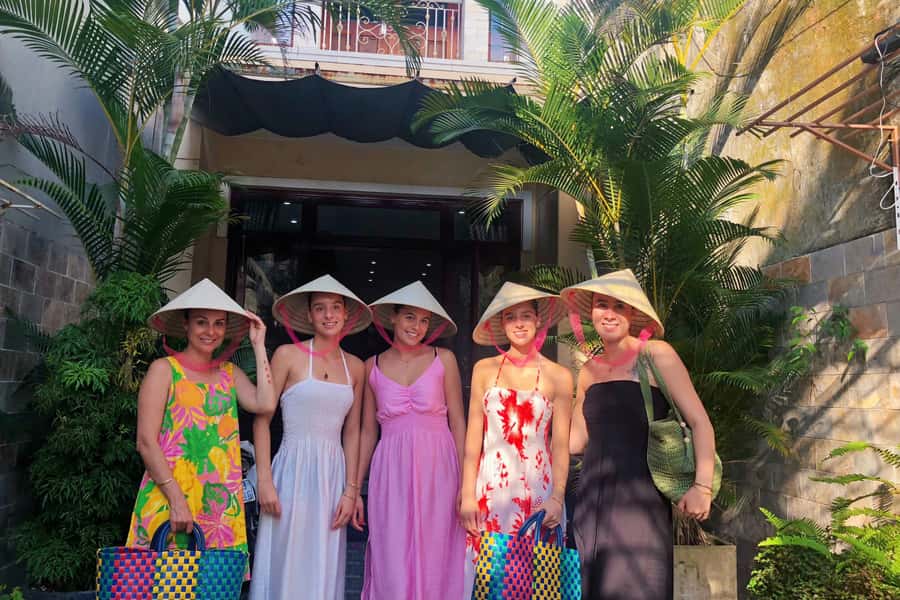
This class doesn’t treat salted coffee as a gimmick. You’ll actually make Cà Phê Muối—the famous salted coffee—then enjoy it as part of the experience.
Salted coffee in Vietnam has a specific idea behind it: the salt doesn’t make it taste “salty” like you’d expect. It rounds out the sweetness and amplifies the flavors of condensed milk and coffee. The result is richer, smoother, and very different from Western iced coffee.
You’ll also be greeted with welcome tea and a sip of happy water. Those are included, so you won’t have to think about additional drinks during the lesson. (Extra beverages beyond what’s included aren’t part of the standard package.)
If you’re the kind of person who always buys coffee souvenirs when traveling, this is a smarter move than just bringing home a jar of instant mix. You learn how to build the flavor logic, and then you can reproduce it.
The Feast, the Certificate, and What You Take Home
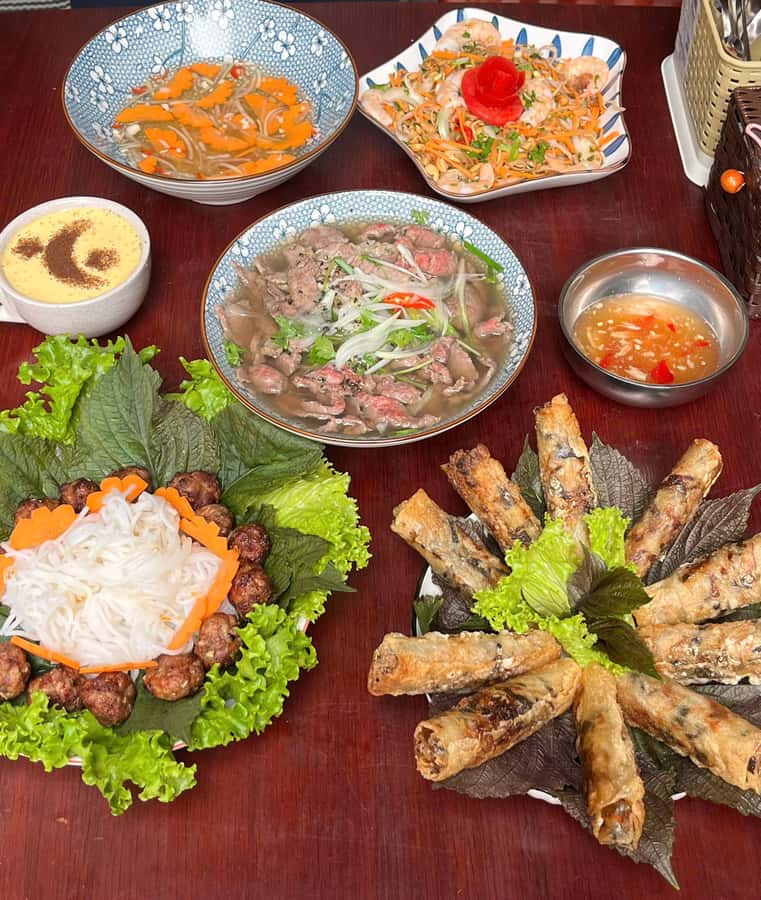
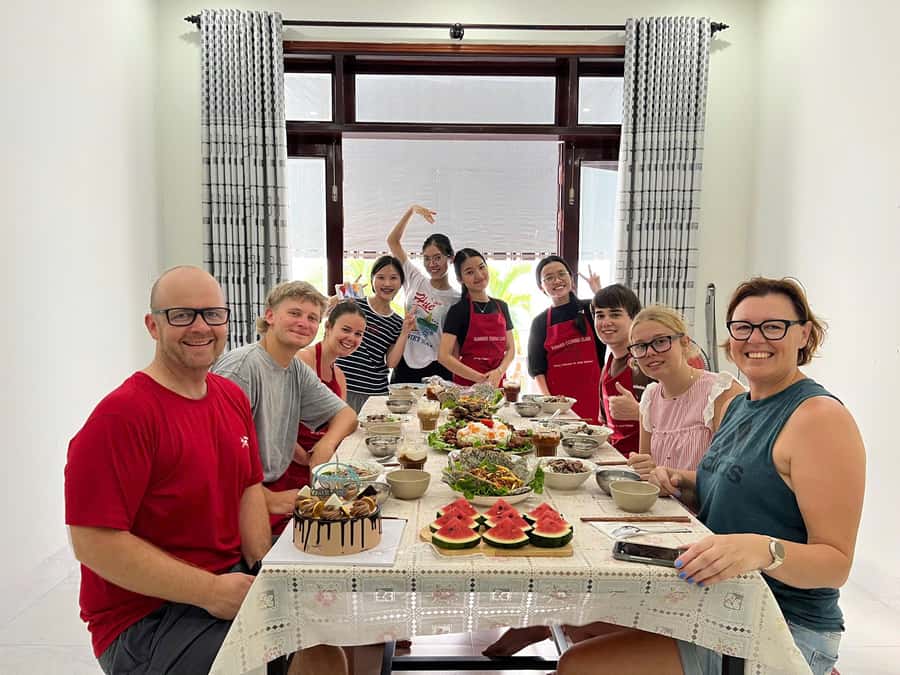
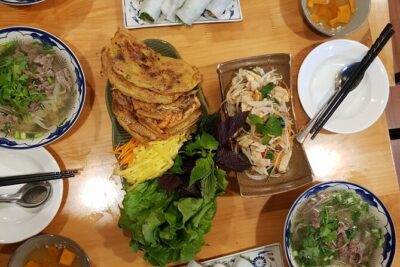
When everything’s cooked, you’ll enjoy your feast with what you made. This is one of the best parts of a kitchen class: you get a full meal from your own work, not just a small tasting plate.
Then you’ll receive a certificate of completion and a free recipe booklet/cookbook. I love this part because it turns your experience into a tool. You can use the booklet later to recreate dishes with the same ingredient ratios and technique cues your chef used during class.
This matters even more for salted coffee. If you’ve tried it once and loved it, you’ll want something you can follow without guesswork. A recipe booklet gives you that shortcut back to the taste you had in Da Nang.
Price and Value: Is $35 Worth It?
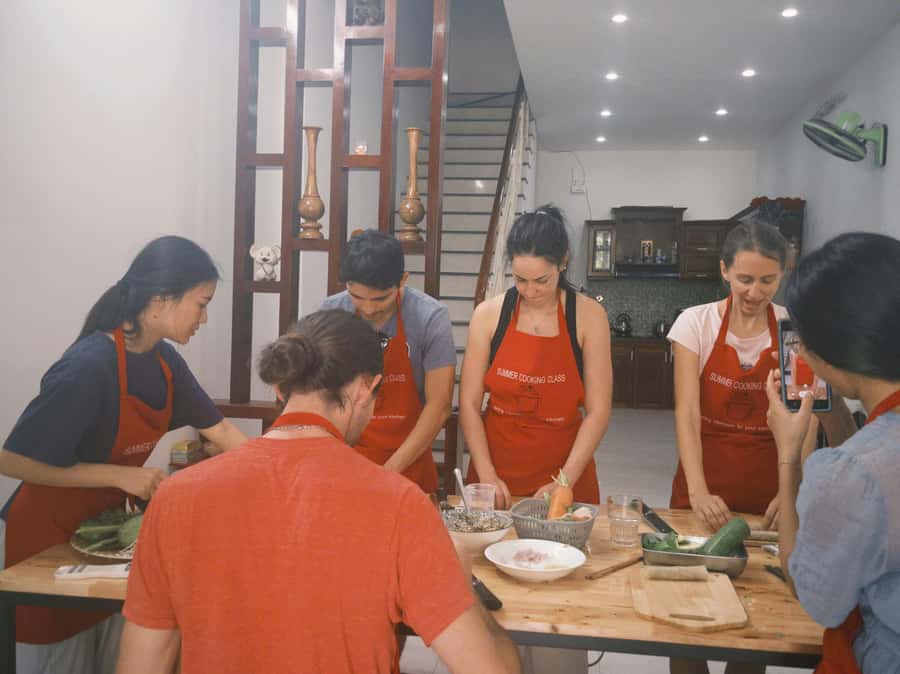
At $35 per person for about 210 minutes, the value mostly comes from what’s bundled:
- a local market trip where you pick ingredients
- cooking 5 famous dishes (not just one or two)
- making salted coffee (Cà Phê Muối)
- welcome tea plus included drinks
- a recipe booklet/cookbook
- a completion certificate
- a small group setup (max 10)
If you compare that to paying for market shopping, then paying for a restaurant meal, then paying for a coffee workshop separately, the class becomes more reasonable quickly. You’re paying for instruction and “do it yourself” time, not just food.
The main reason people feel it’s worth it is that the class makes you productive. You don’t stand around while someone else cooks. You’re involved in prep and cooking, and you leave with skills you can actually repeat.
Who This Da Nang Class Suits Best (And Who Should Skip It)
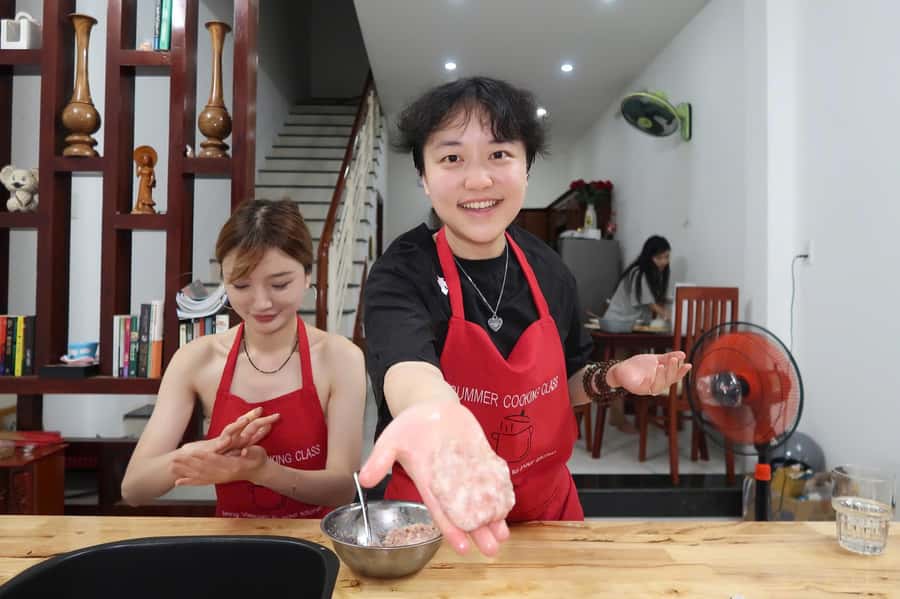
This is a great fit if you:
- want a Vietnamese cooking class with a real ingredient-shopping component
- like hands-on lessons and don’t mind working in a shared kitchen setup
- want variety: five dishes across three regions
- care about food culture, not just “how to cook one meal”
- love coffee and want to learn how Cà Phê Muối is built
It’s not a fit if:
- you have food allergies (the activity is not suitable for people with food allergies)
- you’re traveling with children under 12 (not suitable for that age group)
Also, if you hate standing or walking for a while, be aware the market portion may involve that kind of movement. Comfortable shoes are genuinely the right advice here.
Small Group Energy: The Host Style You’ll Probably Enjoy
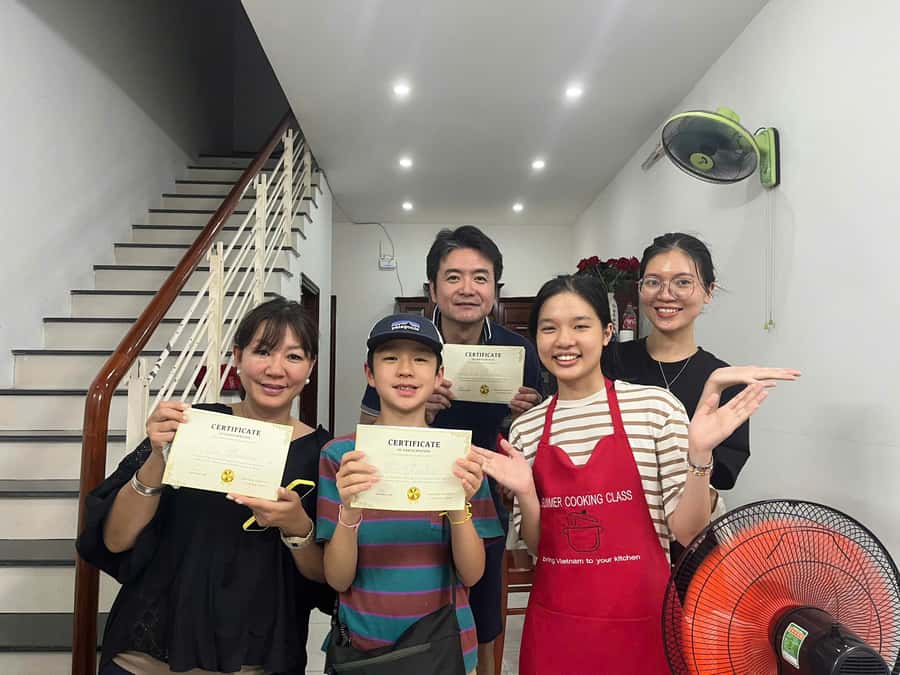
One reason this class gets strong feedback is the vibe. Hosts like Lily, Blue, Hai, and Daisy have been described as friendly, engaging, and good at keeping people involved while teaching techniques.
In practice, that usually means:
- you get clear instructions (and you’re not left guessing)
- you can ask questions without feeling awkward
- the experience stays social, with chatting while you work
- you’ll feel included even if you’re not a confident cook
For anyone worried they’ll be “watching,” the format is designed to reduce that. You should expect to participate in most steps.
A Few Things to Plan For So You Don’t Lose Time
Here are the practical issues that can make or break your morning:
- Getting to the meeting point: transportation isn’t included, so line up a ride or plan your route.
- Arrive slightly early: showing up 10 minutes before the booking time helps the group start smoothly.
- Eat light beforehand: you’ll have a full feast at the end, and you’ll make coffee too.
- Bring comfortable shoes: market walking and kitchen movement both add up.
If you’re planning the rest of your day, keep a little buffer afterward. You’ll likely be full and happy, but cooking work takes it out of you in a good way.
Should You Book This Da Nang Cooking Class?
I’d book it if you want a Da Nang activity that feels both local and useful. The best reason is the combination: market ingredient selection + hands-on cooking of five regional dishes + making Cà Phê Muối. It’s not just a meal. It’s a set of skills and flavors you can bring home.
I’d skip it if you have food allergies or you’re traveling with kids under 12. If those don’t apply, this is a smart, structured way to spend half a day in Central Vietnam—especially if you care about learning why dishes taste the way they do, not just copying instructions.
If you like the idea of walking a market first and then turning what you picked into dinner (and a signature salted coffee), this one fits your trip perfectly.
More Shopping Tours in Da Nang
- 5 Dishes Cooking Class with Market Trip in Da Nang
★ 5.0 · 466 reviews - 5 traditional dishes Da Nang cooking class with market trip
★ 5.0 · 331 reviews - Da Nang Cooking Class with Coffee Tasting and Market Visit
★ 5.0 · 310 reviews - Guided Tour to Marble Mountains & Hoi An Walking Tour , Night Market, Boat Ride
★ 5.0 · 218 reviews - Hoi An Night Market with Hoi an walking Tour , Colourful Lanterns, Boat Ride
★ 5.0 · 142 reviews - DaNang Farm-to-Table Cooking Class with Market and Coffee Tasting
★ 5.0 · 131 reviews
More Tour Reviews in Da Nang
- Da Nang: Lady Buddha, Marble Mountains, and Am Phu Cave Tour
★ 4.7 · 3,373 reviews - Full Day Golden Bridge and Ba Na Hills Small Group Tour
★ 5.0 · 2,369 reviews - From Da Nang/Hoi An: Golden Bridge Ba Na Hills Full-Day Tour
★ 4.7 · 1,737 reviews - Da Nang: Han River Local Cruise by Night
★ 4.1 · 1,152 reviews - Da Nang: Golden Bridge, Lady Buddha, Marble Mt & Am Phu Cave
★ 5.0 · 1,147 reviews - Morning Small group to Marble Mountains – Am Phu Cave – Monkey Mountain
★ 5.0 · 1,097 reviews
Aprons On in Da Nang
- 5 Dishes Cooking Class with Market Trip in Da Nang
★ 5.0 · 466 reviews - Da Nang Authentic Home Cooking Class
★ 5.0 · 354 reviews - 5 traditional dishes Da Nang cooking class with market trip
★ 5.0 · 331 reviews - Da Nang Cooking Class with Coffee Tasting and Market Visit
★ 5.0 · 310 reviews - Hoi An: Lantern Making, Basket Boat, and Cooking Class
★ 4.9 · 233 reviews - RICE PAPER Noodle Making Experience & Hoi An Cooking Class Class
★ 5.0 · 164 reviews
Just Added: The Newest Da Nang Reviews




Da Nang Cooking Classes, side by side.
 ★ 5.05 Dishes Cooking Class with Market Trip in Da NangFrom $39466 reviews
 ★ 5.0Da Nang Authentic Home Cooking ClassFrom $36354 reviews
 ★ 5.05 traditional dishes Da Nang cooking class with market tripFrom $39331 reviews
 ★ 5.0Da Nang Cooking Class with Coffee Tasting and Market VisitFrom $45310 reviews
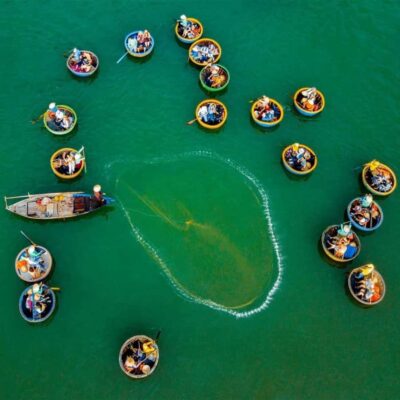 ★ 4.9Hoi An: Lantern Making, Basket Boat, and Cooking ClassFrom $15233 reviews
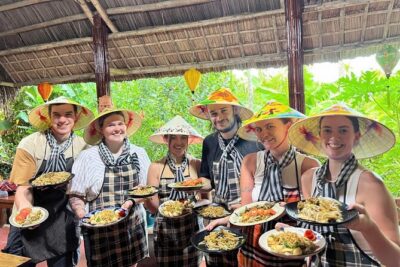 ★ 5.0RICE PAPER Noodle Making Experience & Hoi An Cooking Class ClassFrom $33164 reviews
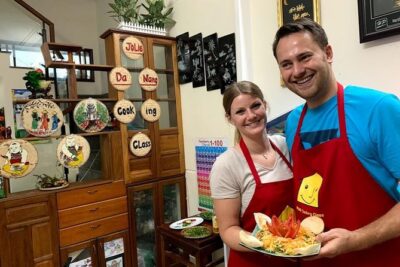 ★ 5.0DaNang Farm-to-Table Cooking Class with Market and Coffee TastingFrom $60131 reviews
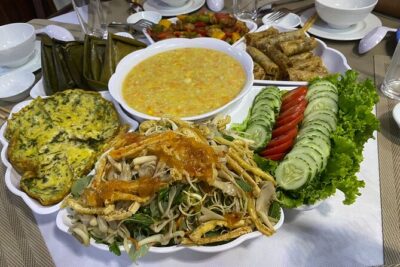 ★ 5.0My Son Sanctuary Guided Tour with Rice Paper Making from Da NangFrom $27115 reviews
Lists featuring this tour