
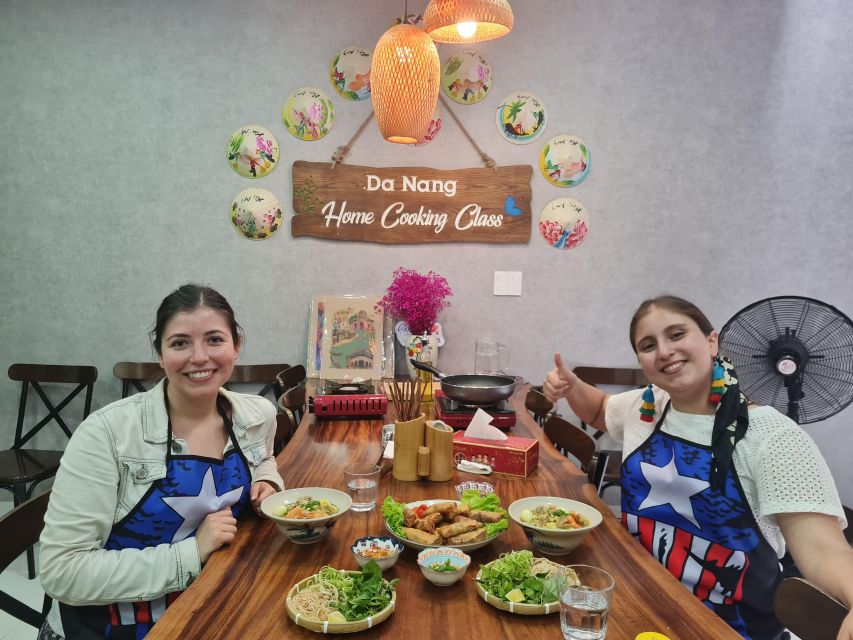
REVIEW · DA NANG COOKING CLASSES
Da Nang Cooking: Market tour, farming, and cooking class
A day of food starts with the soil. Then you shop, cook, and taste in one tight Da Nang rhythm with a hands-on class. I like how this experience mixes real local basics—ingredients and technique—so you leave with skills, not just leftovers.
Two things I’d pick first: the small group size (about 14) means you actually work at the stove, and the tour includes both a farm stop and a market stop, so you understand what you’re cooking and why the flavors work. You also get English-speaking guidance, plus recipe copies in English so you can recreate the dishes at home.
One consideration: if you’re budget-first, the price can feel a bit steep for what’s essentially a class plus ingredients. It’s still good value for the personal attention, the included food, and the time you get cooking—but it’s worth weighing.
In This Review
- Key things to know before you go
- Farm first: what the “farmer practice” teaches you
- The market tour: spotting the ingredients that make Vietnamese cooking work
- Farming, then cooking: how the itinerary avoids the usual tourist shortcut
- Which dishes you’ll cook: your menu depends on the day
- Menu 1 (Mon, Wed, Fri)
- Menu 2 (Tue, Thur, Sat, Sun)
- Vegetarian option
- The cooking class: what you actually learn at the stove
- Short class vs full 4-hour experience
- Optional add-on: Coffee making workshop
- Herbal tea tasting and dessert: a calm close
- Price and value: is $25 reasonable?
- Who should book this Da Nang cooking class
- When to go and what to watch for
- Should you book this cooking class?
- FAQ
- How long is the Da Nang cooking experience?
- What dishes will I learn to cook?
- Is there a vegetarian menu?
- Does the class include a market tour and farming activity?
- What’s included in the price?
- Is hotel pickup included?
- Do you offer English instruction?
- Is it wheelchair accessible?
Key things to know before you go
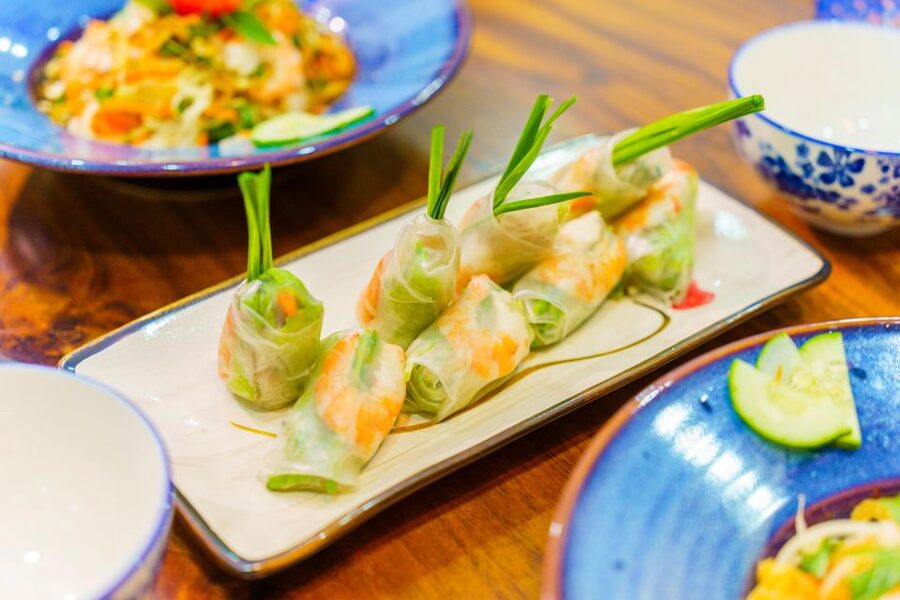
- Farm-to-market flow: you learn growing basics, then use what you bought at the market in your cooking
- 4-dish training with technique: you practice Vietnamese methods, not just assemble food
- Two daily menus + vegetarian option: you cook different classics depending on the day
- English recipes and instruction: copies in English help you repeat the dishes later
- Herbal tea tasting: you get an organic ingredients tasting moment, not only a meal
- Small class size (14): more time on tasks at the stove, less waiting around
Roll up your sleeves at another Da Nang cooking class
- 5 Dishes Cooking Class with Market Trip in Da Nang★ 5.0 · 466 reviews
- Da Nang Authentic Home Cooking Class★ 5.0 · 354 reviews
- 5 traditional dishes Da Nang cooking class with market trip★ 5.0 · 331 reviews
- Hoi An: Lantern Making, Basket Boat, and Cooking Class★ 4.9 · 233 reviews
Farm first: what the “farmer practice” teaches you
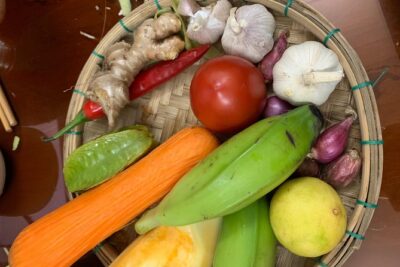
The experience kicks off on an organic farm, before you ever see the market crowd or the cooking station chaos. This is where you get the foundation: how plants are grown and cared for, including practical basics like planting and watering. It’s not a long lecture type of stop. You learn by doing what you can, and you’ll leave understanding that Vietnamese cooking is built on freshness.
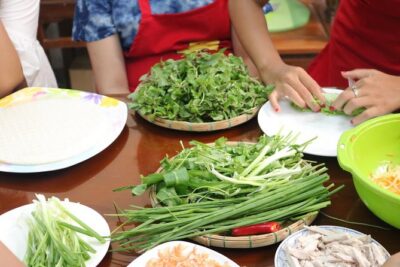
Why this matters: when you learn what goes into ingredients at the farm level, you cook with more intention. For example, salads and herbs in Vietnamese food aren’t just garnish. They’re built around texture and balance—crisp, tangy, herbal. Seeing how greens and produce are handled makes the whole flavor logic easier to remember when you cook later.
You’ll also notice the pacing works even if weather is hot or rainy. The class is planned so the experience still feels intact no matter what the sky does.
The market tour: spotting the ingredients that make Vietnamese cooking work
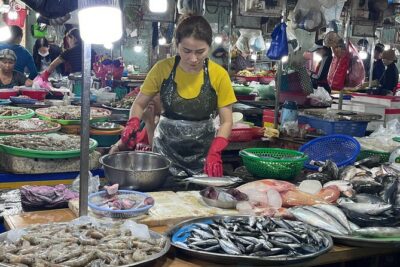
Next comes the local fresh market, where you pick ingredients with guidance. This is one of the most useful parts if you like to cook at home, because the teacher helps you connect items on the stand with what you’ll do later in the kitchen.
You’re not only shopping. You’re learning how Vietnamese meals are assembled:
- what herbs are meant for salads versus noodle bowls
- which ingredients bring sourness, saltiness, and aroma
- why certain produce matters for texture in things like spring rolls and pancakes
If you’ve ever tried to replicate Vietnamese food at home and it tasted close but not right, the market stop is where you fix that. You learn which ingredient makes the flavor click—especially for dishes that rely on herbs and sauces.
A small practical tip: if you dislike crowds, you may prefer going when the market is less packed. One class experience noted that mornings can be much more comfortable for market browsing.
Farming, then cooking: how the itinerary avoids the usual tourist shortcut
A lot of cooking classes are just: watch, chop, cook, eat. This one uses a stronger story line. You start with growing, move to buying, then cook with those ingredients. It’s the same food journey locals recognize, just taught for visitors.
That structure helps you learn in two ways:
1) You gain ingredient familiarity, so steps make sense.
2) You build technique memory, because you cook what you just selected.
Also, the group size makes a difference. With around 14 people, the instructor can keep you moving from task to task. Instead of waiting behind a line, you get practical time in the prep and cooking process.
Which dishes you’ll cook: your menu depends on the day
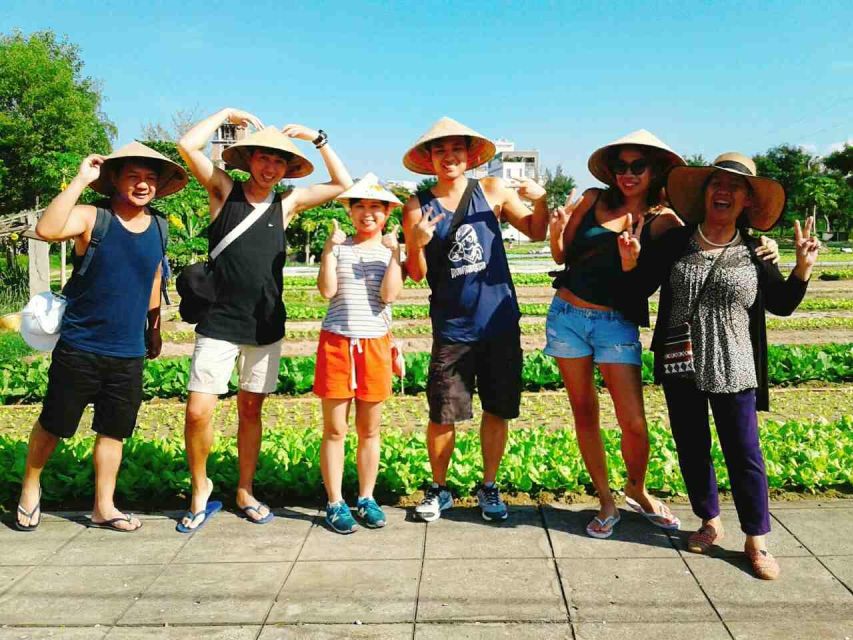
The class offers different menus through the week, so check the day before you plan. You’ll learn how to cook 4 traditional dishes, and the exact combination depends on the schedule. Here are the options:
More Da Nang tours we have been out and rated

Menu 1 (Mon, Wed, Fri)
You’ll cook:
- Quang noodle
- Fish sauce chicken wing
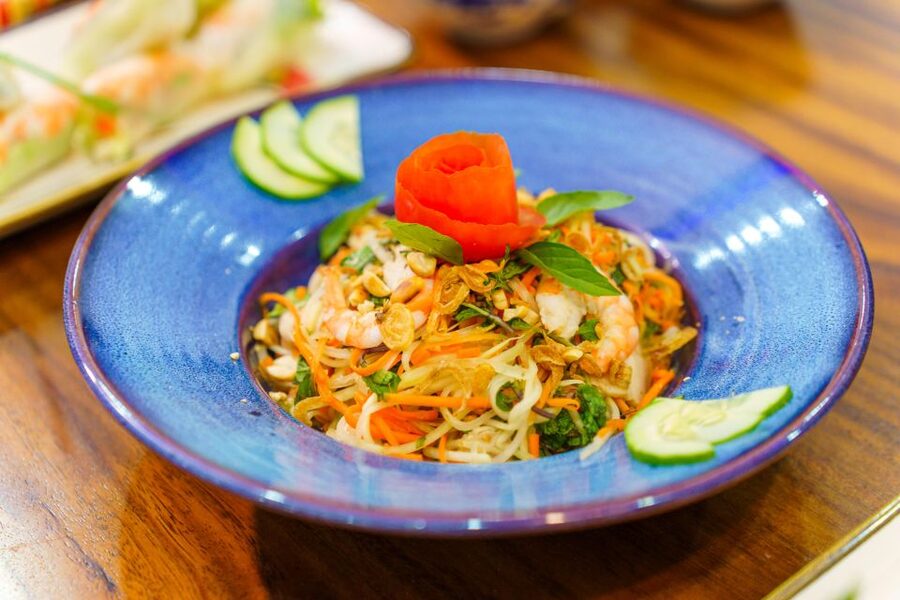
- Green papaya salad with shrimp
- Deep-fried spring rolls
This menu is heavy on tangy and crisp textures. Green papaya salad brings the sour crunch, while spring rolls add a satisfying bite. Quang noodle is also a great choice if you want a Da Nang signature you can’t easily find elsewhere.
Menu 2 (Tue, Thur, Sat, Sun)
You’ll cook:
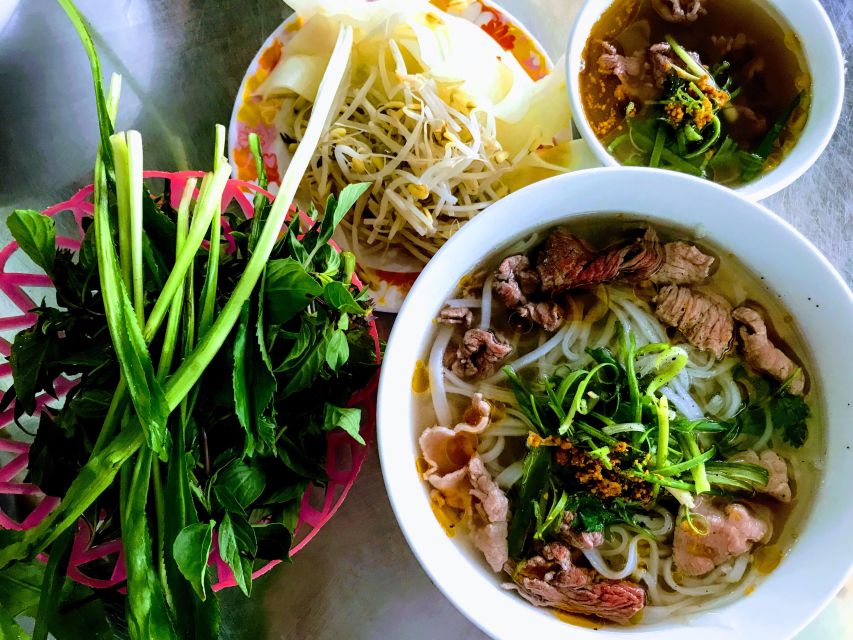
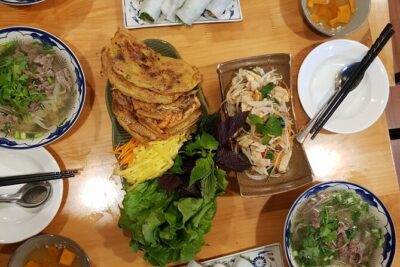
- Beef noodle soup (Pho)
- Crispy Vietnamese Pancakes (Banh Xeo)
- Green mango salad with shrimp
- Fresh spring roll
This set is a classic mix of comfort and technique. Pho teaches fundamentals for rich noodle soup flavor. Banh Xeo is all about batter consistency and hot pan timing, and the fresh spring rolls are where you practice rolling without overstuffing.
Vegetarian option
A vegetarian menu is available and includes:
- Quang noodle or Pho
- Eggplant stir-fry
- Mango salad or papaya salad
- Fried spring roll or fresh spring roll
If you eat vegetarian, you’re not stuck with just a simplified version. You still get a noodle dish, a main vegetable component, and at least one spring roll style, so the meal feels complete.
The cooking class: what you actually learn at the stove
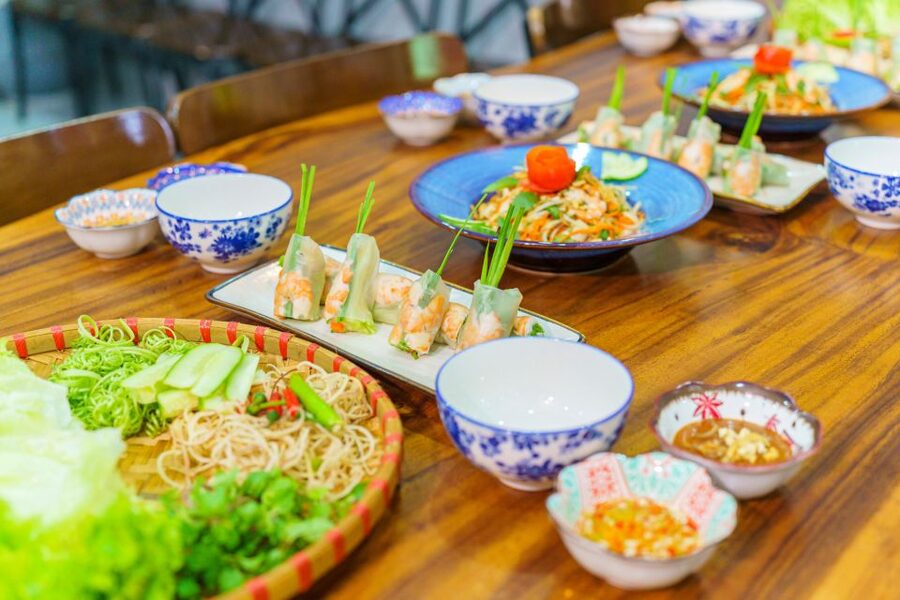
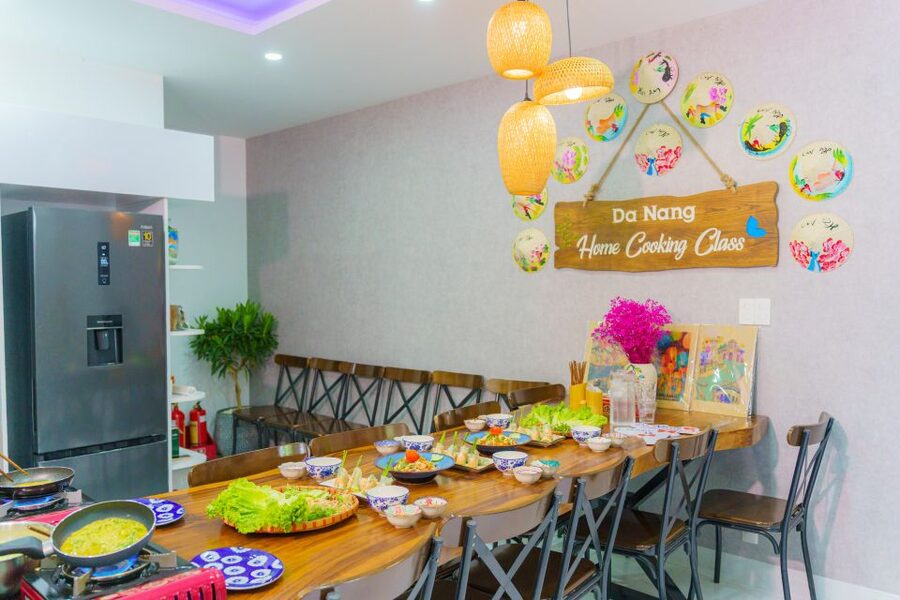
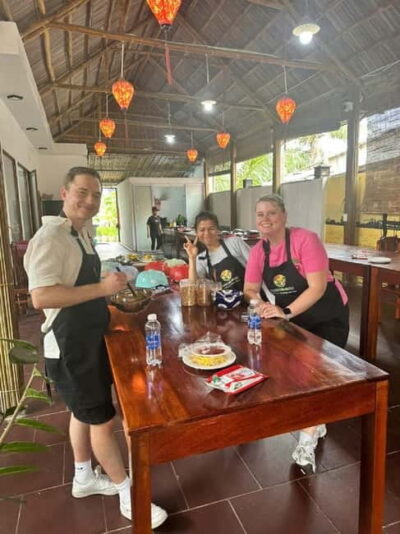
This is the part you’ll most likely remember when you try cooking again. You’re not just tasting. You’re practicing steps. The instructor uses an interactive style, and English-speaking teachers like Jane and Nhi are both described as fun and encouraging in past classes—so it doesn’t feel stiff or overly formal.
You can expect the session to focus on technique. The dishes aren’t random picks; they match skills:
- Noodle bowl skills: building flavor balance and serving a cohesive dish
- Salad fundamentals: sourness, herb-forward freshness, and correct mixing
- Spring roll workflow: prepping fillings, managing moisture, and wrapping cleanly
- Pancake or spring roll heat control: timing matters, especially for crispy results
And because the class is hands-on at every cooking step (not just one demonstration), you’ll get enough repetition to understand what to adjust next time.
Short class vs full 4-hour experience
You’ll typically choose between:
- a shorter cooking-only session around 2.5 hours (150 minutes)
- the full experience around 4 hours (including farming + market + cooking)
If you want the best learning payoff, the full version is worth it. The market and farm stops make the cooking steps easier to understand. If you’re tight on time, the shorter class still delivers the cooking practice and meal, just with less ingredient context.
Optional add-on: Coffee making workshop
If you want a deeper food culture angle, you can add a coffee making workshop (about 1.5 hours). It’s designed as another hands-on way to expand beyond cooking—useful if you’re in Vietnam for more than one food experience.
Herbal tea tasting and dessert: a calm close
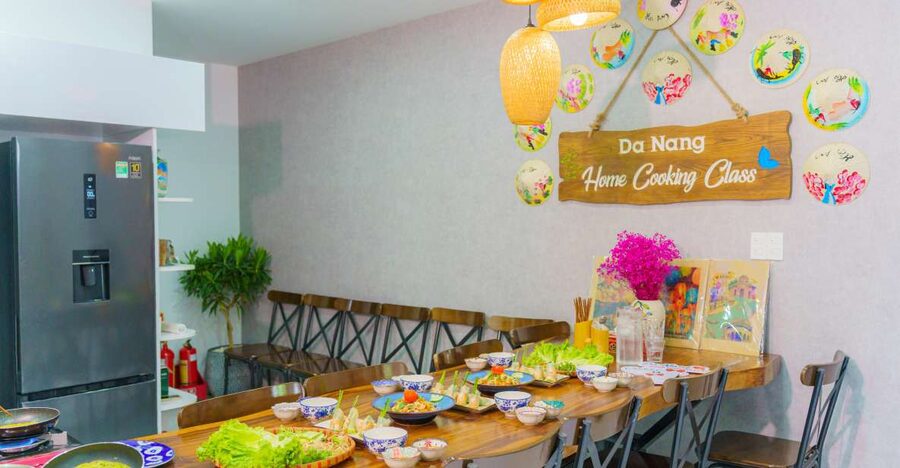
After the cooking and eating, you’ll taste herbal tea made with organic ingredients. It’s a lighter finish than a sugar-heavy dessert-only ending, and it fits the farm-to-table theme. You’ll also get dessert as part of the included meal.
This matters more than it sounds. When you’re learning multiple dishes, you want a finish that doesn’t knock your palate out. Tea and dessert provide a gentle landing so you can still taste the flavors you worked on.
Price and value: is $25 reasonable?
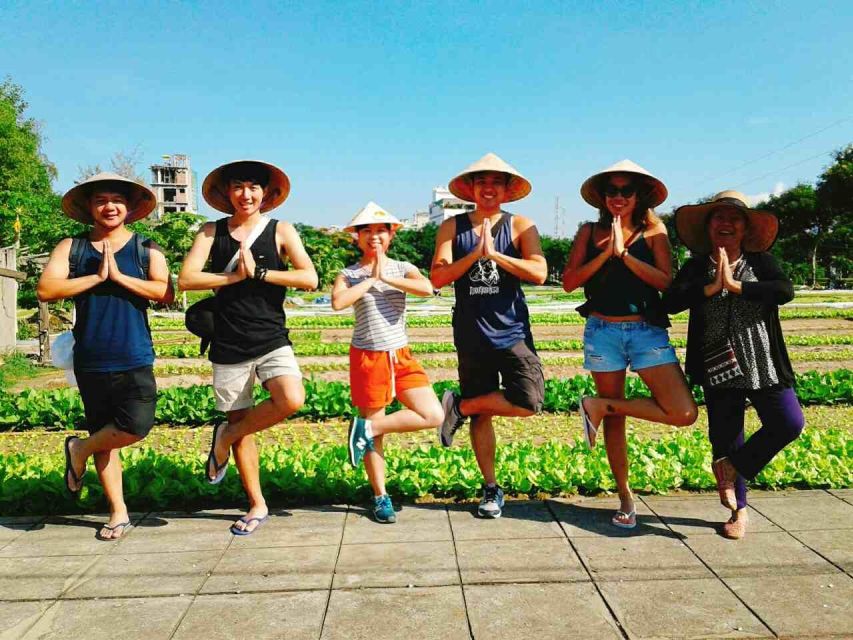
At $25 per person, the big question is value. Here’s how I’d judge it: you’re paying for more than a cooking lesson. You’re getting
- 4 dishes worth of cooking practice
- ingredients included
- herbal tea and dessert included
- an English-speaking guide
- recipe copies in English
- and, in the full option, both a market tour and a farm activity
The small group size (around 14) supports the value too. More hands-on time usually means fewer people crowding one station, so you don’t just observe.
So yes, some people might feel it’s on the higher side for a cooking class. But the structure—farm + market + technique-heavy cooking—makes it more like a real food day than a quick demo.
Who should book this Da Nang cooking class
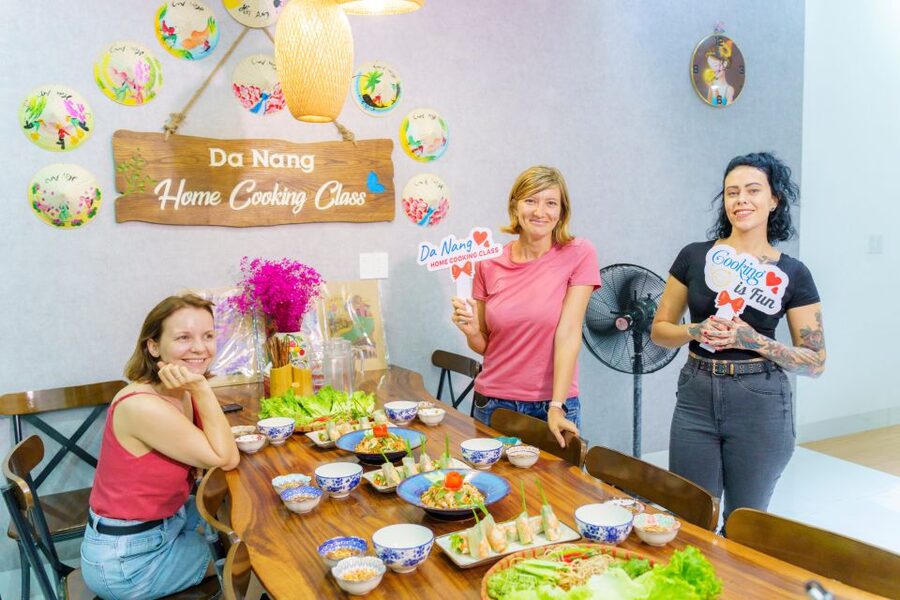
This class fits best if you:
- want a Da Nang-style food lesson, not just generic Vietnamese dishes
- enjoy markets and want help identifying ingredients
- like hands-on cooking with step-by-step English guidance
- are traveling solo, as a couple, with friends, or with kids (it’s described as family-friendly)
It’s also a good option if you’re cooking-curious but not confident in Vietnamese techniques. The recipes in English and the practical instruction make it easier to translate the experience into your own kitchen.
If you’re the type who hates standing around, the group size helps. You’ll spend more time doing than watching.
When to go and what to watch for
The experience timing matters mostly for your comfort during the market stop. If you can choose, mornings can be a smart move for a less crowded market feel.
Also, plan your day around the duration. With options from 150 to 270 minutes, you’ll have flexibility, but the full 4-hour version is the one that connects everything: farm lesson, market shopping, then cooking.
Finally, hotel pickup isn’t included. So you’ll want to handle your own way to the meeting point.
Should you book this cooking class?
I’d book it if you want a hands-on, ingredient-based Vietnamese cooking day that includes both the farm and the market. The biggest strength is the learning structure: you see and select ingredients, then you cook them using practiced technique for a set of classic dishes.
Skip—or at least compare options—if you’re strictly trying to keep costs down, or if you only want the cooking part and don’t care about ingredient context. The $25 price makes more sense when you choose the full experience and take advantage of the personal attention and recipe support.
If you like food that’s built on balance—herbs, sourness, crisp textures, and fresh rolls—this Da Nang cooking class is one of the more practical ways to learn.
FAQ
How long is the Da Nang cooking experience?
It runs for 150 to 270 minutes, depending on which option you choose. The full experience is about 4 hours, and there’s also a shorter cooking-only option of around 2.5 hours.
What dishes will I learn to cook?
You’ll learn how to cook 4 traditional dishes. The exact menu depends on the day of the week, and there is also a vegetarian option.
Is there a vegetarian menu?
Yes. A vegetarian option is available, with choices that include Quang noodle or Pho, eggplant stir-fry, a mango or papaya salad, and fried or fresh spring rolls.
Does the class include a market tour and farming activity?
Yes for the full 4-hour experience. The cooking-only option is shorter and focuses on the class itself. Farming and the market tour are part of the full option.
What’s included in the price?
Herbal tea, water, dessert, an English-speaking guide, recipes in English, and all cooking ingredients are included. Market tour and farming activity are included for the full 4-hour option.
Is hotel pickup included?
No. Pick up and drop off at your hotel are not included.
Do you offer English instruction?
Yes. The instructor is English-speaking.
Is it wheelchair accessible?
Yes, the activity is listed as wheelchair accessible.
More Shopping Tours in Da Nang
- 5 Dishes Cooking Class with Market Trip in Da Nang
★ 5.0 · 466 reviews - 5 traditional dishes Da Nang cooking class with market trip
★ 5.0 · 331 reviews - Da Nang Cooking Class with Coffee Tasting and Market Visit
★ 5.0 · 310 reviews - Guided Tour to Marble Mountains & Hoi An Walking Tour , Night Market, Boat Ride
★ 5.0 · 218 reviews - Hoi An Night Market with Hoi an walking Tour , Colourful Lanterns, Boat Ride
★ 5.0 · 142 reviews - DaNang Farm-to-Table Cooking Class with Market and Coffee Tasting
★ 5.0 · 131 reviews
More Tour Reviews in Da Nang
- Da Nang: Lady Buddha, Marble Mountains, and Am Phu Cave Tour
★ 4.7 · 3,373 reviews - Full Day Golden Bridge and Ba Na Hills Small Group Tour
★ 5.0 · 2,369 reviews - From Da Nang/Hoi An: Golden Bridge Ba Na Hills Full-Day Tour
★ 4.7 · 1,737 reviews - Da Nang: Han River Local Cruise by Night
★ 4.1 · 1,152 reviews - Da Nang: Golden Bridge, Lady Buddha, Marble Mt & Am Phu Cave
★ 5.0 · 1,147 reviews - Morning Small group to Marble Mountains – Am Phu Cave – Monkey Mountain
★ 5.0 · 1,097 reviews
Aprons On in Da Nang
- 5 Dishes Cooking Class with Market Trip in Da Nang
★ 5.0 · 466 reviews - Da Nang Authentic Home Cooking Class
★ 5.0 · 354 reviews - 5 traditional dishes Da Nang cooking class with market trip
★ 5.0 · 331 reviews - Da Nang Cooking Class with Coffee Tasting and Market Visit
★ 5.0 · 310 reviews - Hoi An: Lantern Making, Basket Boat, and Cooking Class
★ 4.9 · 233 reviews - RICE PAPER Noodle Making Experience & Hoi An Cooking Class Class
★ 5.0 · 164 reviews
Just Added: The Newest Da Nang Reviews





Da Nang Cooking Classes, side by side.
 ★ 5.05 Dishes Cooking Class with Market Trip in Da NangFrom $39466 reviews
 ★ 5.0Da Nang Authentic Home Cooking ClassFrom $36354 reviews
 ★ 5.05 traditional dishes Da Nang cooking class with market tripFrom $39331 reviews
 ★ 5.0Da Nang Cooking Class with Coffee Tasting and Market VisitFrom $45310 reviews
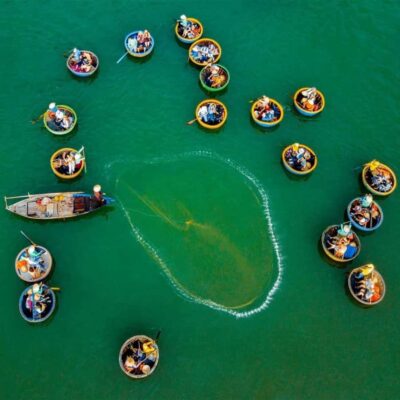 ★ 4.9Hoi An: Lantern Making, Basket Boat, and Cooking ClassFrom $15233 reviews
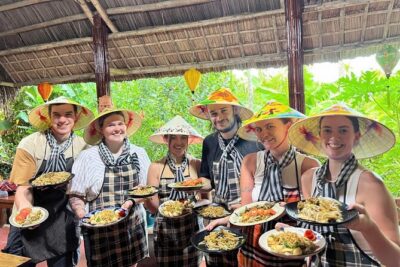 ★ 5.0RICE PAPER Noodle Making Experience & Hoi An Cooking Class ClassFrom $33164 reviews
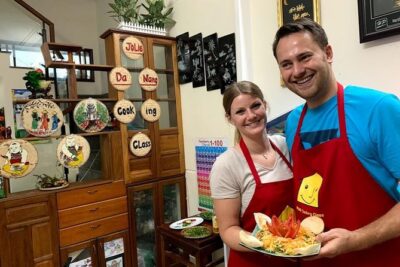 ★ 5.0DaNang Farm-to-Table Cooking Class with Market and Coffee TastingFrom $60131 reviews
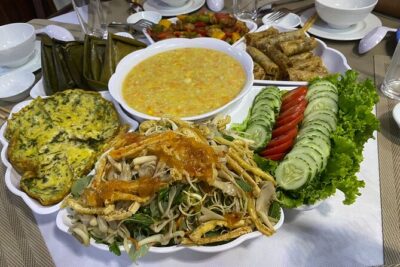 ★ 5.0My Son Sanctuary Guided Tour with Rice Paper Making from Da NangFrom $27115 reviews
Lists featuring this tour