
REVIEW · HISTORICAL TOURS
Da Nang Epic History Tour by Cham Museum & Tasty Cuisine/Cafe
History gets physical in Da Nang. This private 3-hour walk strings together Cham Museum sculpture history and street-food stops like pho, guided in English by a historian. I like that you’re not just looking at monuments; you’re getting the why behind them as you move through central Da Nang.
What I also like is the range: you’ll go from a Buddhist temple stop to Dragon Bridge and the Han River, with Vietnam War context included in the story. One consideration: there’s no pickup/drop-off, so you’ll want to reach the meeting point near the Cham Sculpture Museum and be ready for a walking route.
In This Review
- Key highlights at a glance
- Cham Museum: the stone-still start that sets everything up
- An Long Pagoda: Buddhism explained as local life, not a lecture
- Dragon Bridge and the Han River: a landmark with war context
- The tour’s food beats: pho at the Old Hanoi Quarter corner
- Da Nang Cathedral, aka Chicken Church: colonial streets with a local nickname
- Han Market: French-built market roots and Chinese community stories
- APEC Park and the route logic: why the in-between stops matter
- Coffee as a closing chapter: coconut or salt, plus Vietnam’s hard past
- Guide quality is the product: historian-level storytelling with Hung
- Price and value: $29 that includes tickets and real meals
- Timing, pace, and meeting point reality
- Who this tour fits best (and who may feel out of place)
- Practical tips to make your 3 hours count
- Should you book the Da Nang Epic History Tour?
- FAQ
- FAQ
- How long is the Da Nang Epic History Tour?
- What’s included in the tour price?
- Where does the tour start and end?
- Is hotel pickup or drop-off included?
- Is this a private tour?
- Do I need good weather for the tour?
- Do I need to tip the guide?
Key highlights at a glance
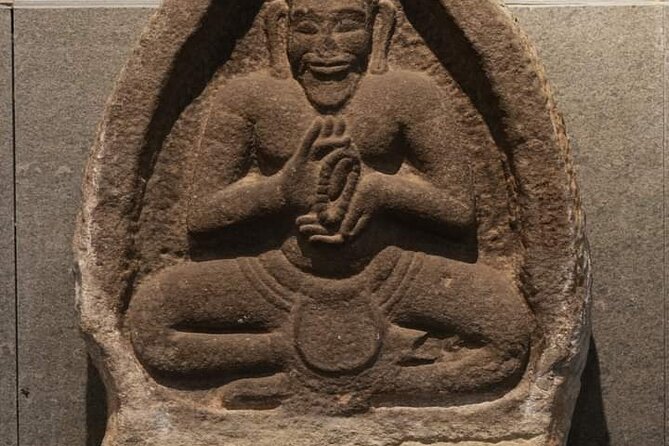
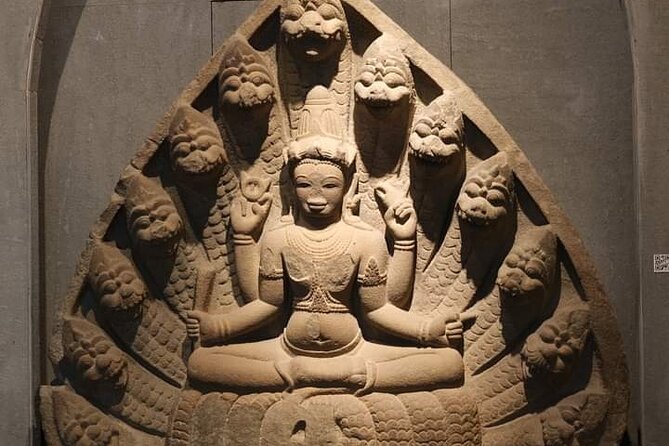
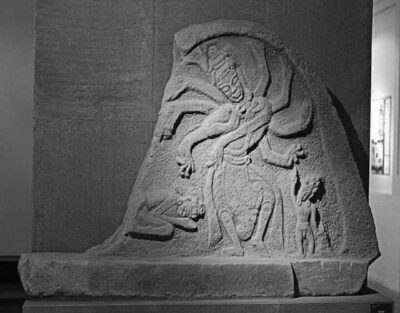
- Cham Museum’s Hindu stone sculptures: hundreds of antique works tied to the Cham Pa Kingdom and My Son context
- An Long Pagoda (Long An Temple): Mahayana Buddhism explained through local practice and everyday life
- Dragon Bridge (666m) and the Han River: landmark views plus Vietnam War history tied to Da Nang’s role
- Real Da Nang eats: pho from the Old Hanoi Quarter corner, plus herbal green tea and a coffee tasting finish
- Cathedral and Han Market storytelling: including the local nickname Chicken Church and Han Market’s colonial-era background
- Tasting options: coconut coffee or salt coffee, and some versions add rice wine distillery tasting
More of the region history, up close
- Hue Culture & History Day Tour – Departing Hoi An or Da Nang★ 5.0 · 26 reviews
- My Son Sanctuary And Hoi An Heritage Full-day Tour★ 4.5 · 25 reviews
- Da Nang: Full-day My Son Sanctuary And Hoi An Heritage Tour★ 4.8 · 21 reviews
- Da Nang Epic History Tour by Cham Museum & Tasty Cuisine/Cafe★ 5.0 · 15 reviews
Cham Museum: the stone-still start that sets everything up
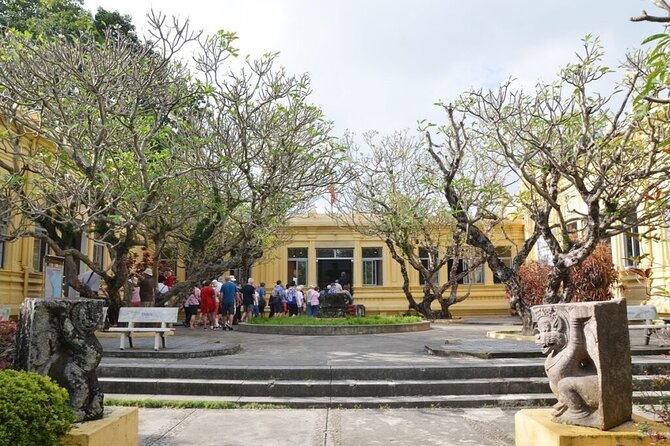
If you’re into history that you can actually see, the Da Nang Museum of Cham Sculpture is the anchor. This stop focuses on a huge collection of Hinduism stone statues, dated from roughly the 7th to 14th centuries, connected to the Cham Pa Kingdom. The tour’s pitch is straightforward: these are antique artworks you’ll recognize as religious objects, not just decorations.
What makes this start especially useful is how it prepares you for the rest of the city. You’re not moving randomly from one photo spot to another. Instead, the guide frames the Cham Pa story first, then you carry that context with you when you head to later stops tied to Vietnamese culture and religion.
One practical note: you’ll be inside the museum at the beginning of the tour, so plan for a bit of walking on museum floors before you head back outside. If you don’t love museums, this part is still worth it because the tour treats the sculptures like a guide to belief systems—what they meant and how they shaped life.
An Long Pagoda: Buddhism explained as local life, not a lecture
After the museum, the tour shifts from carved stone to living practice at An Long Pagoda, also listed as Long An Temple. The focus here is Mahayana Buddhism and how local beliefs show up in day-to-day life.
This is one of those stops that feels like it could be purely visual—temple architecture, quiet spaces, incense vibes—but the tour’s angle is the human part. The guide ties the stories behind local practice to what you see around you and how it affects routine behavior in the area. That matters because it changes your visit from a “check-the-site” moment into something you can actually interpret.
Also, this stop gives you a natural pace change. You’ve got a museum start, then a temple visit, then you’ll move into city landmarks. If you’re the kind of traveler who likes breaks that still teach you something, this works.
Dragon Bridge and the Han River: a landmark with war context
Dragon Bridge is the kind of landmark you can’t ignore, and the tour leans into its scale: it’s 666 meters long and Da Nang’s most iconic bridge. You’ll admire it as part of the route, then continue to the Han River to see what was built during the Vietnam War era.
The key point here is that the bridge and river aren’t treated like scenery only. The tour frames the history through Da Nang’s role as a major military base before 1975, and connects the American-built presence to the city’s changing physical landscape. That can be heavy subject matter, but it’s integrated into the walk rather than dropped like a textbook at your feet.
If you’re hoping for a pure “views and photos” stop, you may want to mentally switch gears here. Plan to listen. The best part of this section is when the landmark becomes a history marker, not just a backdrop.
The tour’s food beats: pho at the Old Hanoi Quarter corner
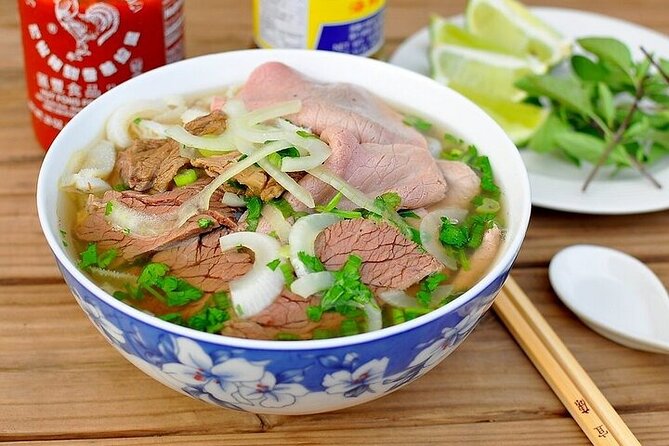
Mid-walk, you’ll stop at a quiet street corner in Da Nang for pho—specifically the best pho linked to the Old Hanoi Quarter name used in the tour. This is the kind of food stop that works because it’s not presented as a random meal; it’s tied to the city’s culinary geography.
Along with the pho, you’ll also get Ha Noi herbal green tea at this stop. That’s a small detail, but it helps the meal feel like part of the tour’s overall “Vietnam through the senses” approach. When you taste something during the same moment the guide is describing culture and history, it sticks better than if it’s just an add-on.
A practical consideration: pho is included in the tour as either chicken or beef pho. If you have strong dietary needs, confirm when booking which option is offered for your group.
More Da Nang tours we have been out and rated

Da Nang Cathedral, aka Chicken Church: colonial streets with a local nickname
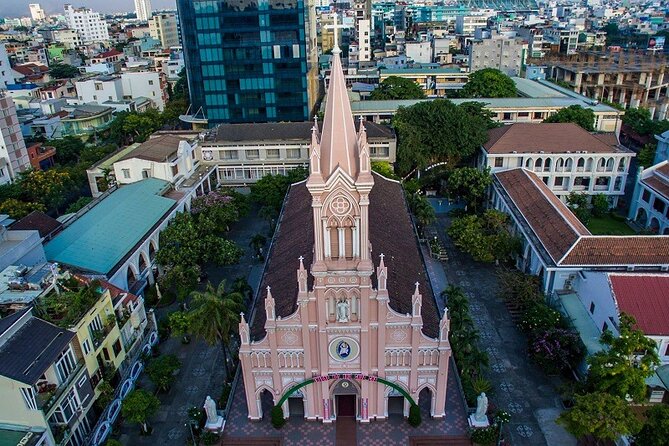
Next comes a church stop that locals call Chicken Church. The tour visits Da Nang Cathedral Church and treats it as part of the story of the city’s earlier layers.
This is a great example of what you get when a tour includes local nicknames and how people refer to landmarks. The nickname alone signals that this church is more than a tourist object. It’s in local conversation, with a personality locals have given it.
You should expect a slower, more reflective stop here. Churches tend to work best when you take a moment to look at details, not just snap a photo and move on. If you’re the type who enjoys architecture or just likes finding meaning in place names, this one will land.
Han Market: French-built market roots and Chinese community stories

The tour finishes this core loop at Han Market, described as the biggest market in central Vietnam and built by the French during the colonial period. The story doesn’t stop at that timeline. The guide includes background about the Chinese community living in Vietnam, tying everyday market life to broader cultural history.
This is a smart pairing. Markets can feel chaotic and purely practical if you’re not sure what you’re looking at. Here, the tour gives you narrative handles—why the market looks the way it does, and why different communities shaped what you’d find inside.
One caution: markets can be busy and sometimes crowded, even on calmer days. If you’re sensitive to tight spaces, keep your pace steady and don’t expect lots of elbow room for photos. The best move is to let the guide explain first, then look at objects with fresh context.
APEC Park and the route logic: why the in-between stops matter
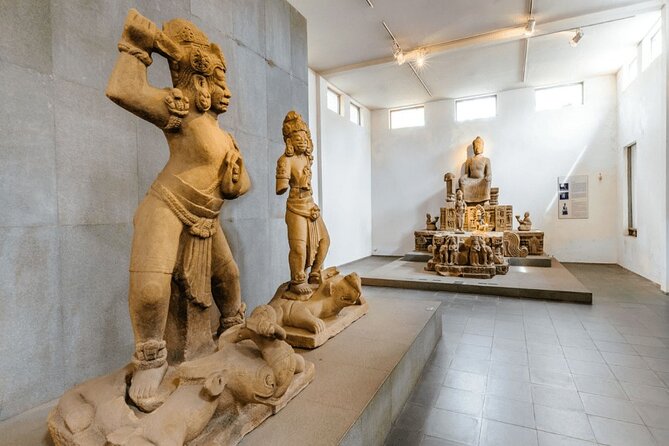
Your itinerary also includes APEC Park. Even though it’s not the kind of stop where you’ll automatically know what to focus on, it matters because it breaks up the walk and keeps the route from feeling like a straight line of landmarks.
This tour is about moving through central Da Nang in about three hours, hitting major history points without turning into an all-day slog. Stops like APEC Park help you transition between the big emotional beats—religion, war context, colonial layers, and food.
If you’re trying to plan around energy, treat this as a breather in the route rather than a “must-see” in the same way the museum and bridge are.
Coffee as a closing chapter: coconut or salt, plus Vietnam’s hard past
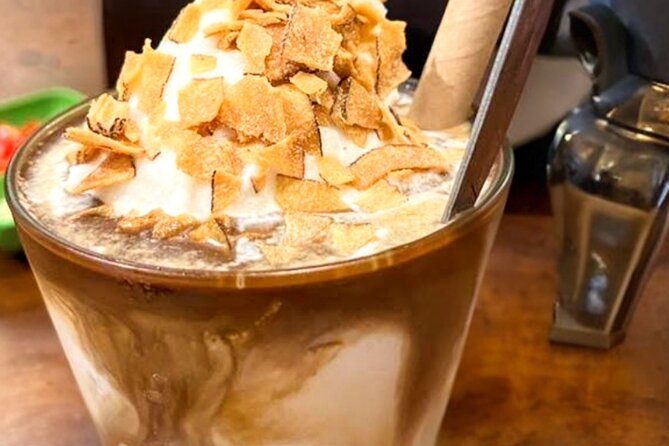
The final stop is where the tour gets sensory and emotional. You’ll taste coconut coffee or salt coffee, depending on your selected option (the tour also lists a walking tour and cafe tasting option). The guide frames the coffee as defined by untold stories from Vietnam’s past, including how wars affected earlier generations.
This kind of ending works best if you go in with the right expectations. Coffee isn’t just a treat here. It’s the closing sound and smell of the tour, used to reinforce the themes you heard earlier: belief, colonial history, war, and everyday life all tangled together in one city.
If you’re a coffee person, this is a strong finish. If you’re not, it still functions as a warm-down after you’ve been walking and listening for a while.
Guide quality is the product: historian-level storytelling with Hung
A lot of tours list a guide. This one builds around a specific type of guide: a private certified English-speaking guide with a background historian, provided through Hung Le Travel.
The standout name here is Hung. The praise you’ll hear about this tour tends to focus on Hung’s delivery—friendly, engaging, and able to connect history to what you’re standing in front of. That’s exactly what you want from a “history with walking stops” style tour. The subject matter is complex, and the value comes from making it understandable in real time.
If you’re worried about getting stuck with a generic script, this format helps. A historian background usually means the guide can explain what matters, and why, without turning every stop into a lecture you can’t use.
Price and value: $29 that includes tickets and real meals
At $29 per person, the tour is priced like a budget walking experience, but it includes several things that normally cost extra.
Your included items are:
- Cham museum entrance tickets (for the sculpture collection)
- Pho (chicken or beef)
- Coconut coffee or salt coffee (based on your option)
- Ha Noi herbal green tea at the Hanoi Quarter corner
- And, if you selected the rice wine distillery option version, a rice wine tasting at a distillery stop
Not included items are also clear: no pickup/drop-off, and any eating or drinks beyond what’s included are on you. Tips for the guide are not included.
So is $29 a fair deal? In practice, it usually is if you want a guide plus multiple structured stops in central Da Nang. The museum ticket alone and the food tastings add up fast, and you’re getting an English-speaking guide with historian framing rather than just directions. If you already planned to do the Cham Museum and eat pho on your own, you’re basically paying to have the “connections” built for you and to avoid figuring out the storyline yourself.
Timing, pace, and meeting point reality
The tour runs about 3 hours. That’s a sweet spot: long enough to cover major areas of central Da Nang, short enough that you still have time for your own wandering after.
You’ll meet at Da Nang Museum of Cham Sculpture (Số 02 Đ. 2 Tháng 9, Bình Hiên, Hải Châu, Đà Nẵng 550000, Vietnam), and the tour ends back at the meeting point.
It’s also listed as near public transportation, which helps if you don’t want to rely on taxis for getting there. But the big practical point is this: since pickup/drop-off is not included, you’ll want to plan your arrival with that in mind.
Also, this is a private tour/activity, meaning it’s only your group. That can make the pace feel more comfortable and the questions more useful.
Finally, you’ll want decent weather. The tour requires good weather, and if it’s canceled due to poor weather, you’ll be offered a different date or a full refund.
Who this tour fits best (and who may feel out of place)
This is a strong match for you if:
- You want central Da Nang history in a tight timeline
- You like museums and religious sites, but also want food stops that feel connected
- You enjoy listening to local context while walking the streets
You might not love it if:
- You want a relaxed sightseeing day with no history-heavy explanations
- You hate walking routes and would rather have a car-based tour
- You’re very time-tight and can’t get to the meeting point near the Cham Museum
Practical tips to make your 3 hours count
Bring comfortable walking shoes since the tour is built around moving between multiple landmarks. Keep a little flexibility in your day so you can stay present rather than rushing. And if you’re choosing between tastings, decide ahead of time whether you’re more interested in coconut coffee or salt coffee.
If you have dietary preferences, check how chicken vs. beef pho is handled for your group when you book. And if you’re selecting the rice wine distillery version, be aware that it’s listed as part of some versions of the tour.
Should you book the Da Nang Epic History Tour?
If you’re trying to understand Da Nang beyond the postcard, book this. The value is in how the tour connects major stops: Cham Pa sculpture history, Mahayana Buddhism practice, Dragon Bridge and Han River war context, then colonial-era market and daily-life food tastings. At $29 with museum tickets and multiple included meals/drinks, it’s an efficient way to spend three focused hours.
I’d especially book it if your travel style is “I want the story, not just the stop.” And if you’re flexible on weather, you’ll set yourself up for a smooth walk.
FAQ
FAQ
How long is the Da Nang Epic History Tour?
It’s about 3 hours.
What’s included in the tour price?
The tour includes an English-speaking certified guide with a historian background, Cham Museum entrance tickets, pho (chicken or beef), and a tasting of coconut coffee or salt coffee depending on the selected option. Ha Noi herbal green tea is also included, and some versions include rice wine tasting at a distillery.
Where does the tour start and end?
The tour starts at Da Nang Museum of Cham Sculpture at Số 02 Đ. 2 Tháng 9, Bình Hiên, Hải Châu, Đà Nẵng 550000, Vietnam, and it ends back at the meeting point.
Is hotel pickup or drop-off included?
No. Pickup/drop-off is not included.
Is this a private tour?
Yes. It’s a private tour/activity, and only your group participates.
Do I need good weather for the tour?
Yes. The experience requires good weather. If it’s canceled due to poor weather, you’ll be offered a different date or a full refund.
Do I need to tip the guide?
Tips for the guide are not included.
More Museums in Da Nang
- Da Nang History Tour Walking By Cham Pa Museum-Cuisine-Cafe
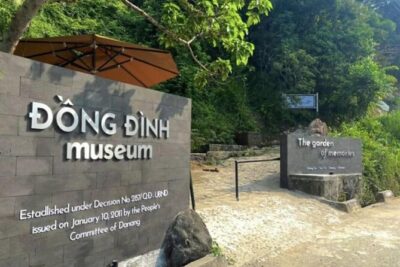
★ 5.0 · 5 reviews - Experience Traditional Vietnamese Costumes at Dong Dinh Museum
★ 5.0 · 4 reviews - Cham Museum Hinduism Artstone & Marble Mountain By Private Tour
★ 5.0 · 4 reviews
History Around Da Nang
- Hue Culture & History Day Tour – Departing Hoi An or Da Nang
★ 5.0 · 26 reviews - My Son Sanctuary And Hoi An Heritage Full-day Tour
★ 4.5 · 25 reviews - Da Nang: Full-day My Son Sanctuary And Hoi An Heritage Tour
★ 4.8 · 21 reviews - Da Nang War Tour History: Spanish-French Attack to American Base
★ 5.0 · 13 reviews - 5-Day Private Tour of Top Heritage Sites: Hue, Hoi An & More
★ 5.0 · 10 reviews - Charming Da Nang Show: Culture, History, Art Vietnamese Show
★ 4.8 · 9 reviews
More Tour Reviews in Da Nang
- Da Nang: Lady Buddha, Marble Mountains, and Am Phu Cave Tour
★ 4.7 · 3,373 reviews - Full Day Golden Bridge and Ba Na Hills Small Group Tour
★ 5.0 · 2,369 reviews - From Da Nang/Hoi An: Golden Bridge Ba Na Hills Full-Day Tour
★ 4.7 · 1,737 reviews - Da Nang: Han River Local Cruise by Night
★ 4.1 · 1,152 reviews - Da Nang: Golden Bridge, Lady Buddha, Marble Mt & Am Phu Cave
★ 5.0 · 1,147 reviews - Morning Small group to Marble Mountains – Am Phu Cave – Monkey Mountain
★ 5.0 · 1,097 reviews
Just Added: The Newest Da Nang Reviews


Historical Tours, side by side.
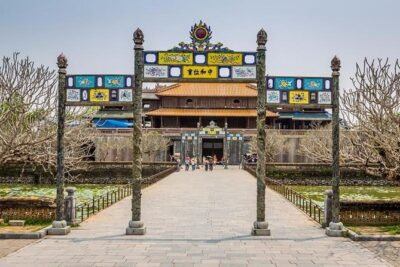 ★ 5.0Hue Culture & History Day Tour – Departing Hoi An or Da NangFrom $14826 reviews
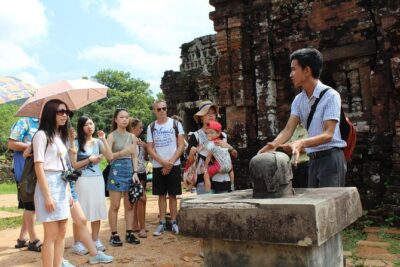 ★ 4.5My Son Sanctuary And Hoi An Heritage Full-day TourFrom $9525 reviews
 ★ 4.8Full-day My Son Sanctuary And Hoi An Heritage TourFrom $6721 reviews
 ★ 5.0Da Nang War Tour History: Spanish-French Attack to American BaseFrom $2913 reviews
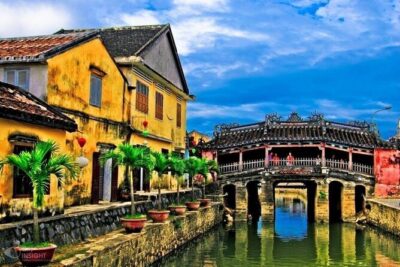 ★ 5.05-Day Private Tour of Top Heritage Sites: Hue, Hoi An & MoreFrom $62610 reviews
 ★ 4.8Charming Da Nang Show: Culture, History, Art Vietnamese ShowFrom $229 reviews
 ★ 3.5Half-day Hoi An Heritage WalkFrom $429 reviews
 ★ 4.5Charming Da Nang Show : Culture-Art-History-LifeStyle of VietnamFrom $269 reviews
Lists featuring this tour