
REVIEW · WALKING TOURS
Da Nang History Tour Walking By Cham Pa Museum-Cuisine-Cafe
Champa history can hit your feet fast. This one-day Da Nang tour pairs Cham Museum sculpture storytelling with an English historian guide like Mun or Hong, so the artifacts make sense instead of feeling like random stone. I also love how the day moves from temple to street food to big landmarks, which keeps you present in the city rather than stuck reading plaques.
One consideration: the route is packed, so if you’re the type who wants to linger, you may wish you had more time inside the museum before the tour flows on.
Key highlights to watch for
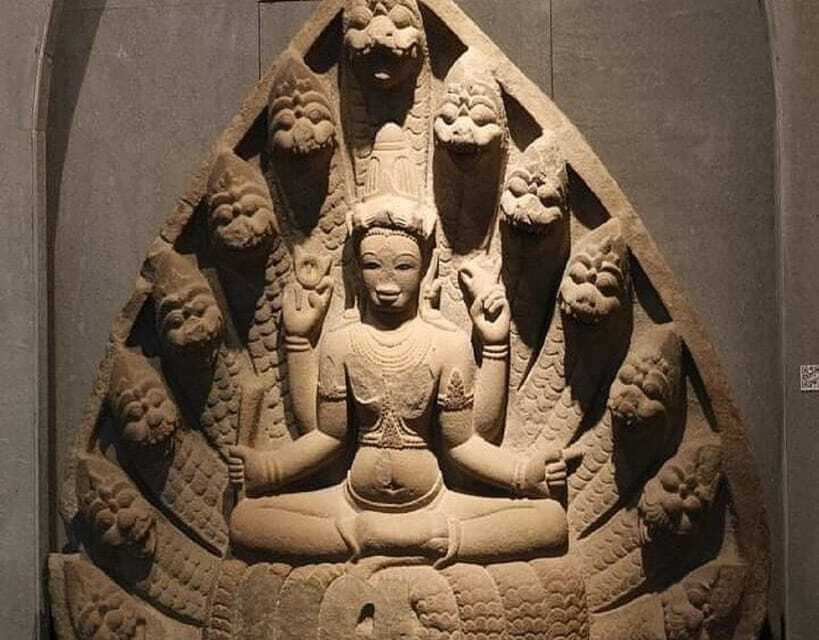
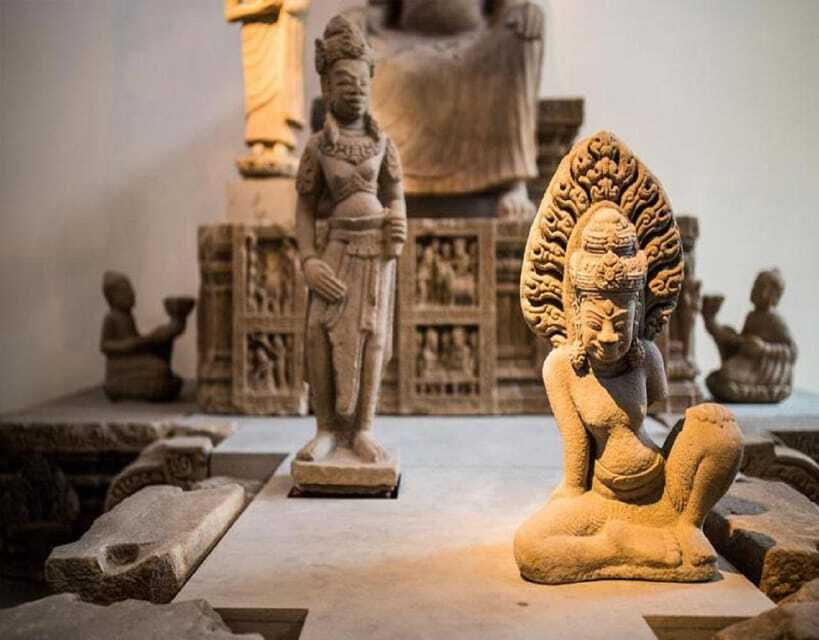
- Cham Museum sculptures: Hindu-themed stone works spanning the 7th to 14th centuries and linking to Champa culture
- Historian guide: you’ll get context behind what you’re seeing, not just dates
- Pho + green Hanoi herbal tea: a proper, included sit-down pause
- Dragon Bridge and Han River: a landmark moment plus the war-era setting along the water
- Coconut coffee or salted coffee: the ending taste test that people talk about for a reason
- Hidden alleys and local temples: smaller stops that make Da Nang feel lived-in
In This Review
- A One-Day Walk Through Cham Past and Da Nang Present
- Cham Museum: Stone Sculptures That Explain Champa and My Son
- An Long Pagoda and Mahayana Buddhism in Everyday Life
- Da Nang Markets and Collectivism-Era Vietnam You Can See
- Dragon Bridge and the Han River: Landmark Views Plus War-Era Context
- Pho at the Old Hanoi Quarter Corner: What to Eat and When
- Da Nang Cathedral: The Chicken Church Nickname You’ll Hear for a Reason
- Han Market and Chinese Community Stories in Central Vietnam
- Coconut Coffee or Salt Coffee: The Ending Taste Test
- Price and Value: Is $28 a Smart Deal?
- Who This Tour Fits Best (and Who Might Want a Different Plan)
- Should You Book This Da Nang History Walking Tour?
- FAQ
- FAQ
- Where do we meet for the tour?
- Is the tour guide available in English?
- What food and drinks are included?
- Do I get entry to Cham Museum?
- What should I choose for the pho?
- Is pick-up or drop-off included?
- How does cancellation work?
A One-Day Walk Through Cham Past and Da Nang Present
Da Nang is easy to underestimate if you only use it as a base for other trips. This tour treats it like the main event: you start at Cham Museum and keep walking until you’ve seen how ancient Champa beliefs rub shoulders with modern Vietnamese street life.
What makes it work is the guide format. You’re not just moving between sights. You’re getting background—Champa religion through the sculptures, Mahayana Buddhism through a local temple stop, and Vietnam’s modern history through places that show how people lived through harder times. It’s history you can point at with your feet.
And yes, you also eat. This is a food day disguised as a culture day: pho is built into the experience, plus a green herbal tea and a coffee finale.
Cover more of Da Nang on foot
- Guided Tour to Marble Mountains & Hoi An Walking Tour , Night Market, Boat Ride★ 5.0 · 218 reviews
- Hoi An Night Market with Hoi an walking Tour , Colourful Lanterns, Boat Ride★ 5.0 · 142 reviews
- Danang Private Walking Food Tour★ 5.0 · 66 reviews
- Full-day Cham Islands Cruise from Hoi An with Underwater Walking Excursion★ 4.0 · 53 reviews
Cham Museum: Stone Sculptures That Explain Champa and My Son
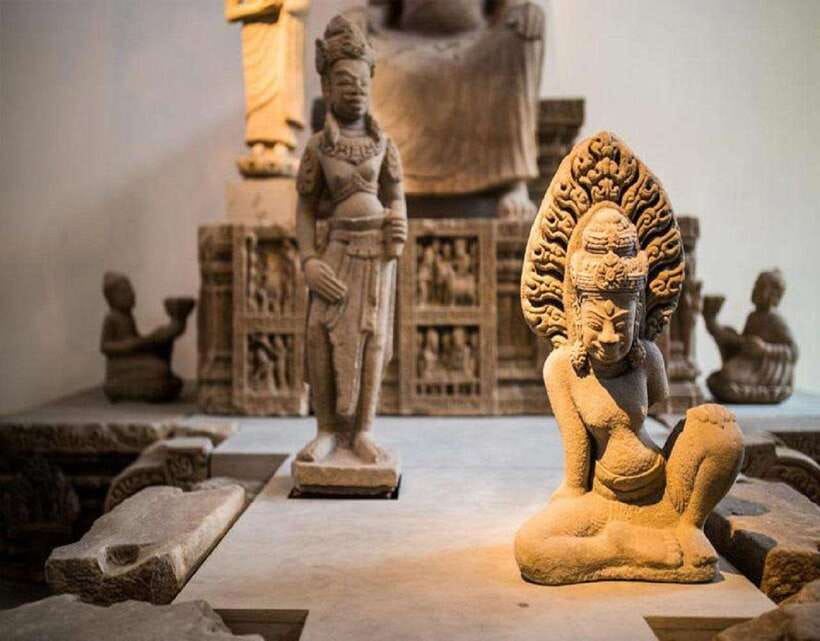
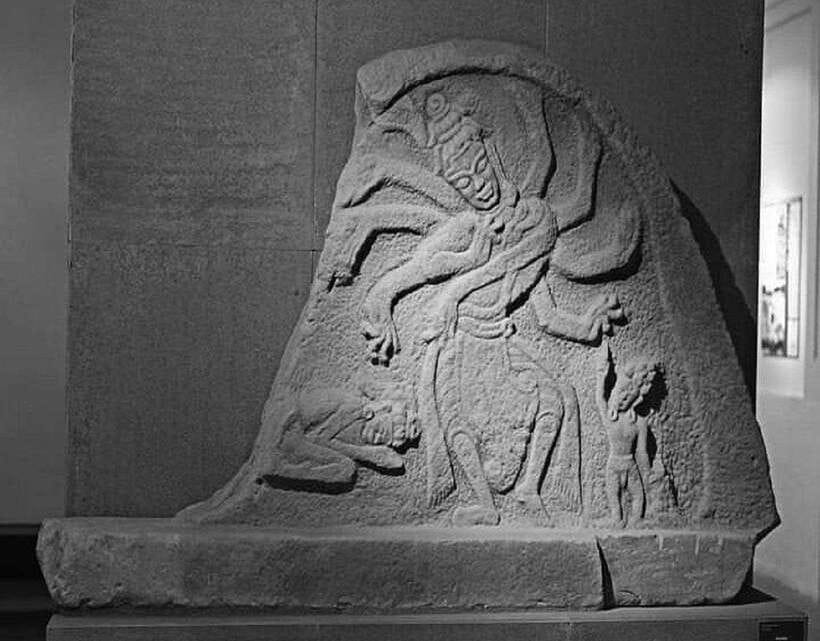
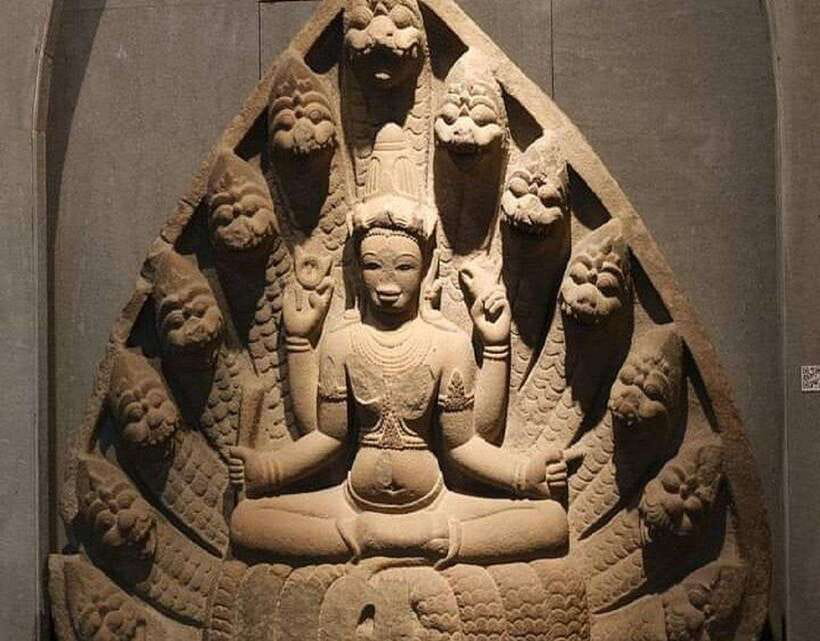
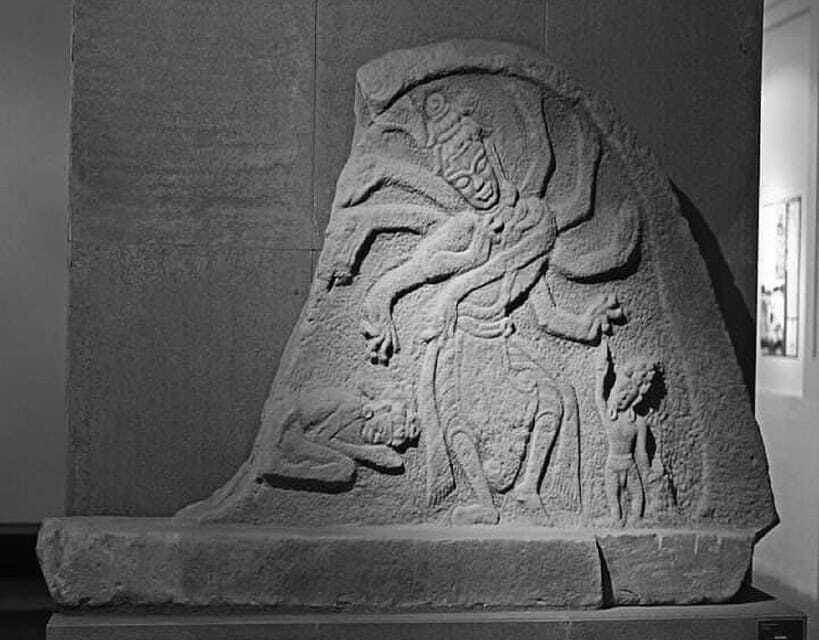
Your day anchors at Cham Museum, and it’s a strong start. The museum is known for its Hindu-themed sculptures—hundreds of antique stone statues—covering roughly the 7th to 14th centuries. What I like most is the way the guide helps you read the scenes: you’re not only looking at stone bodies and weapons, you’re learning the stories attached to them.
If you’re planning a future trip to My Son, this stop can act like your field guide. The museum gives you a sense of the religion relics and the Champa Kingdom context, so when you later see My Son, you’re not starting from zero. Even if My Son isn’t on your list, the museum helps you understand why this part of Vietnam has a distinct cultural layer compared with the north and the south.
Practical thought: the tour includes museum entry to see the sculptures. Still, it’s possible to feel rushed if you want to inspect every statue slowly. If you have strong museum patience, plan to take a few deep breaths and focus on the pieces your guide highlights most.
An Long Pagoda and Mahayana Buddhism in Everyday Life
After the museum, the day shifts into a quieter rhythm at An Long Pagoda. Here, you learn Mahayana Buddhism and—more importantly—how local beliefs shape everyday life. The guide’s stories give you the sense that religion isn’t only for ceremonies. It influences habits, values, and the way people interpret luck, harmony, and community.
This is also where the tour proves it isn’t only about the famous photo stops. A pagoda visit changes your pace. Your eyes shift from stone sculpture details to living ritual space, and you start to notice how locals behave in sacred areas—how they move, where they pause, and what they treat with care.
If you love the off-radar side of travel, this is one of your best chances in the day to see something that feels less staged for tourists.
Da Nang Markets and Collectivism-Era Vietnam You Can See

Next comes a local market built in the 1980s under collectivism. The vibe you get from this part of the route is about system design—how policy shaped daily routines. You’re not just passing through stalls; you’re seeing how the built environment reflects a particular era of Vietnam’s story.
From there, you move toward hidden alleys and smaller streets. This section matters because it connects the big themes to real life. Da Nang isn’t frozen in time, and the tour avoids the trap of only showing you the postcard version. You see how residents move through neighborhoods, which helps you understand the city as a place where people work and shop, not just a place where tourists collect stamps.
One trade-off: this isn’t a shopping tour where you have long browsing time. If you like to linger over crafts and bargain for gifts, you may want to save extra time elsewhere in Da Nang after the guided walk.
Dragon Bridge and the Han River: Landmark Views Plus War-Era Context
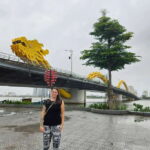
Then the day gives you one of Da Nang’s iconic moments: Dragon Bridge, which measures 666 meters. You’ll also walk along the Han River, and the guide ties it to a specific historical reality—Da Nang’s military importance and the American-built presence during the Vietnam War period, before 1975.
This is a good example of why a guided historical walk beats a self-guided stroll. The same view can feel like scenery or like evidence, depending on what you know. Here, the river becomes more than a pretty line in the city. It becomes part of the story of why this place mattered so much.
If you’re a photo person, you’ll likely enjoy this segment because the bridge is instantly recognizable. But even if you don’t care about photos, you’ll get something out of the context: you start to understand how modern Da Nang is layered over decades of major events.
More of the region history, up close

Pho at the Old Hanoi Quarter Corner: What to Eat and When
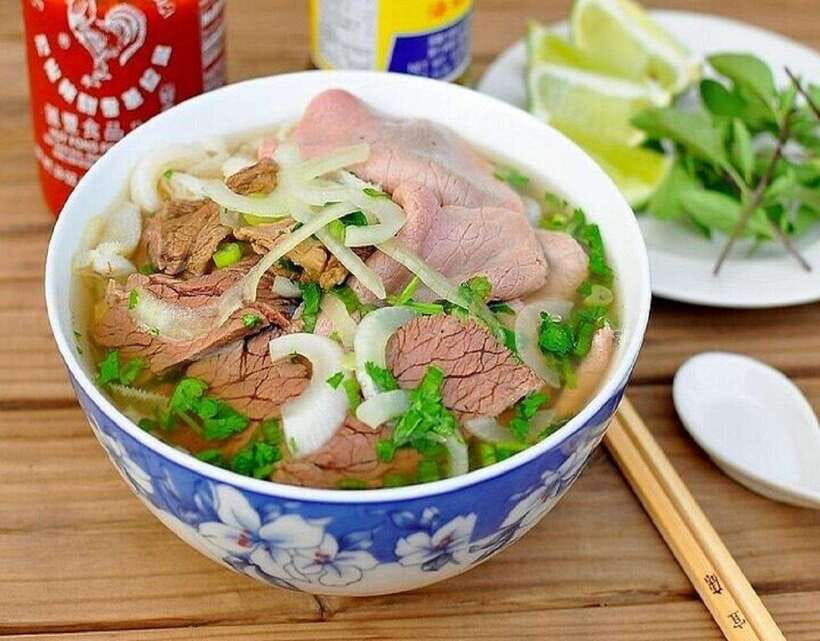
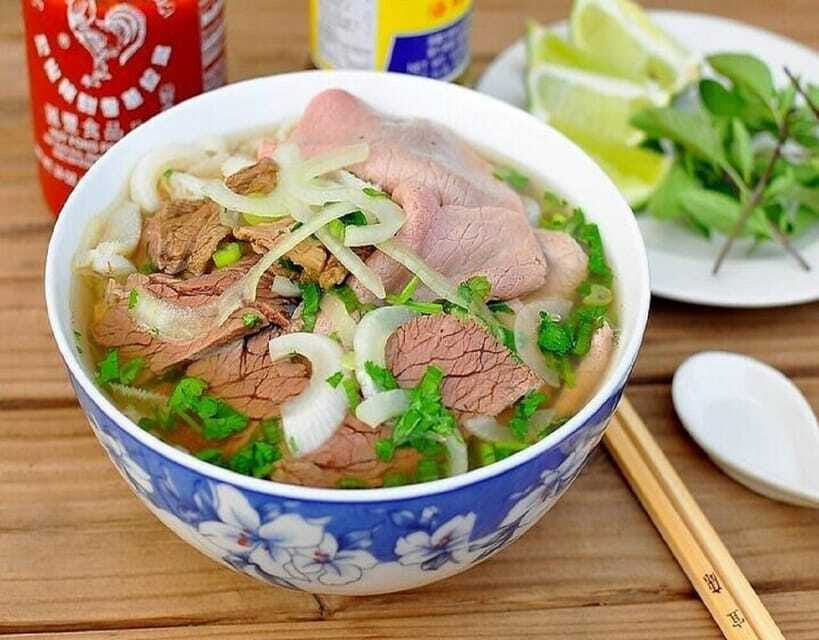
Food time arrives in a simple, smart way: a stop for pho called the Old Hanoi Quarter inside Da Nang. You choose either chicken pho or beef pho depending on your option, and you also get green Hanoi herbal tea at the pho stall.
A practical tip from the experience: don’t plan a heavy breakfast before this portion. Pho and tea come during the walk, and the portioning feels designed for the day’s rhythm. If you show up overly full, you’ll spend the pho stop thinking about how much you already ate.
The way I think about this meal is value plus timing. It’s not an extra expense you have to research. It’s included, and it’s placed where you’ll likely want a warm, grounding pause before the next steps.
Da Nang Cathedral: The Chicken Church Nickname You’ll Hear for a Reason
After pho, you visit Da Nang Cathedral Church, a local nickname you’ll hear for it: the Chicken Church. The tour doesn’t just drop you at a front gate and move on. The guide includes local context so you understand why this church has the identity it does among residents.
This kind of stop is useful because it broadens the day beyond Champa and Buddhism. You’re seeing how different cultural strands exist in the same city. It’s also a good contrast point: after the war-era discussion and the street food break, the cathedral gives you something quieter and architectural to focus on.
If you prefer religious architecture to be more about observation than stories, this stop still works because the building itself is the anchor. The guide helps you interpret the nickname, which makes the structure more memorable.
Han Market and Chinese Community Stories in Central Vietnam
Next up is Han Market, described as the biggest market in central Vietnam and built by French during colonial periods. The guide uses it as a place to talk about Chinese community life in Vietnam—how communities formed and how that history shows up in everyday interactions.
This stop can be sensory. Markets are loud, crowded, and full of small motions. What makes it worthwhile on this tour is that you don’t treat it as a generic shopping hall. You get a reason for why different influences show up, and you learn how the market fits into Da Nang’s historical layering.
If you’re hoping to stock up on souvenirs, this is your window. Just remember: the tour is still a guided walk with a schedule, so you won’t have hours and hours to browse. Use the market stop to focus on a few items you really want, then continue the day.
Coconut Coffee or Salt Coffee: The Ending Taste Test
The tour finishes with coffee—coconut coffee or salted coffee, depending on your option. This is not a random dessert add-on. The coffee is part of the cultural signal that makes Da Nang distinct, and the included tasting is the moment where the whole day’s theme lands in your senses.
If you like trying local drinks, you’ll likely enjoy this finish because it’s different from standard café orders back home. And if you’re coffee-curious but unsure what you’ll actually like, salted or coconut versions are usually a satisfying bet once you taste them fresh.
You leave with a final marker: not just what you saw, but what you consumed that felt tied to the city.
Price and Value: Is $28 a Smart Deal?
At $28 per person for a one-day walking format, the value comes from what’s bundled. You get Cham Museum entrance tickets, your pho meal (chicken or beef), green Hanoi herbal tea, and your coconut or salted coffee. You also get an English-language guide with historian background.
Individually, those items add up fast—especially museum entry plus a guided walking day that includes food. This price is best if you want less planning work and a clear structure for a first day in Da Nang.
The only realistic downside is the schedule pace. Since the tour includes a lot of stops, it’s not built for slow wandering. If you want deep solo time in museums or long shopping loops, treat this as your “orientation day,” then build extra time around it.
One more note: guide tips are not included. The suggested minimum is $4 USD per person, so plan that small extra line item.
Who This Tour Fits Best (and Who Might Want a Different Plan)
This tour is ideal if you:
- Care about Champa culture and want the museum explained clearly before thinking about My Son
- Like a walking day that mixes major landmarks with smaller lived-in stops
- Want a guide who connects religion, history, and city life rather than reciting facts
- Prefer included meals and drinks so you spend less time hunting down food
It may be less ideal if you:
- Want lots of free time inside museums
- Don’t like moving at a steady pace between many short-to-medium stops
- Hate crowded market energy and would rather browse solo later
Should You Book This Da Nang History Walking Tour?
If you only have one day in Da Nang and you want your time to feel meaningful, I’d book it. This route gives you big visuals—Dragon Bridge, the cathedral, Han Market—then ties them to real stories: Champa sculpture history, Buddhism in daily life, collectivism-era Vietnam, and war-era context along the Han River. You end up understanding Da Nang as a layered place, not just a stop on the way to somewhere else.
Book it especially if you’re planning My Son later. The museum visit can make that trip feel more informed and less like sightseeing from a blank page. And if you’re a food person, pho plus herbal tea plus coconut or salted coffee is a pretty satisfying arc for a walking day.
FAQ
FAQ
Where do we meet for the tour?
You meet your guide in front of Cham Museum.
Is the tour guide available in English?
Yes, the tour is run with a live English-language guide.
What food and drinks are included?
The tour includes chicken pho or beef pho, green Hanoi herbal tea at the pho stall, and coconut coffee or salted coffee depending on your option.
Do I get entry to Cham Museum?
Yes. Cham Museum entrance tickets are included, with admission to see the sculptures.
What should I choose for the pho?
You can choose between chicken pho and beef pho based on your option.
Is pick-up or drop-off included?
No. Pick up and drop off are not included.
How does cancellation work?
You can cancel up to 24 hours in advance for a full refund.
History Around Da Nang
- Hue Culture & History Day Tour – Departing Hoi An or Da Nang
★ 5.0 · 26 reviews - My Son Sanctuary And Hoi An Heritage Full-day Tour
★ 4.5 · 25 reviews - Da Nang: Full-day My Son Sanctuary And Hoi An Heritage Tour
★ 4.8 · 21 reviews - Da Nang Epic History Tour by Cham Museum & Tasty Cuisine/Cafe
★ 5.0 · 15 reviews - Da Nang War Tour History: Spanish-French Attack to American Base
★ 5.0 · 13 reviews - 5-Day Private Tour of Top Heritage Sites: Hue, Hoi An & More
★ 5.0 · 10 reviews
Da Nang on Foot
- Guided Tour to Marble Mountains & Hoi An Walking Tour , Night Market, Boat Ride
★ 5.0 · 218 reviews - Hoi An Night Market with Hoi an walking Tour , Colourful Lanterns, Boat Ride
★ 5.0 · 142 reviews - Danang Private Walking Food Tour
★ 5.0 · 66 reviews - Full-day Cham Islands Cruise from Hoi An with Underwater Walking Excursion
★ 4.0 · 53 reviews - Da Nang Street Foodie Walking Tour
★ 5.0 · 47 reviews - Danang Walking Food Tour
★ 4.5 · 40 reviews
More Tour Reviews in Da Nang
- Da Nang: Lady Buddha, Marble Mountains, and Am Phu Cave Tour
★ 4.7 · 3,373 reviews - Full Day Golden Bridge and Ba Na Hills Small Group Tour
★ 5.0 · 2,369 reviews - From Da Nang/Hoi An: Golden Bridge Ba Na Hills Full-Day Tour
★ 4.7 · 1,737 reviews - Da Nang: Han River Local Cruise by Night
★ 4.1 · 1,152 reviews - Da Nang: Golden Bridge, Lady Buddha, Marble Mt & Am Phu Cave
★ 5.0 · 1,147 reviews - Morning Small group to Marble Mountains – Am Phu Cave – Monkey Mountain
★ 5.0 · 1,097 reviews
Just Added: The Newest Da Nang Reviews



Walking Tours, side by side.
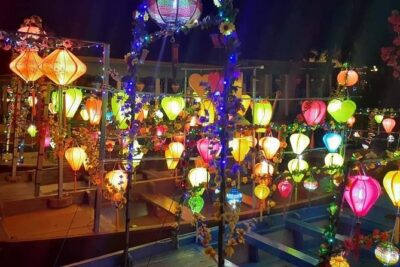 ★ 5.0Guided Tour to Marble Mountains & Hoi An Walking Tour , Night Market, Boat RideFrom $96218 reviews
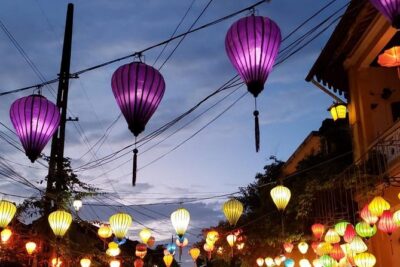 ★ 5.0Hoi An Night Market with Hoi an walking Tour , Colourful Lanterns, Boat RideFrom $85142 reviews
 ★ 5.0Danang Private Walking Food TourFrom $4566 reviews
 ★ 4.0Full-day Cham Islands Cruise from Hoi An with Underwater Walking ExcursionFrom $6853 reviews
 ★ 5.0Da Nang Street Foodie Walking TourFrom $3747 reviews
 ★ 4.5Danang Walking Food TourFrom $2740 reviews
 ★ 4.7Local Street Food Walking TourFrom $2937 reviews
 ★ 5.0Hoi An Walking Tour, Sampan Boat Trip , Foodie Tour by NightFrom $6926 reviews
Lists featuring this tour