A good Vietnam trip starts with a plan that doesn’t eat your whole day. This 4-day Central Vietnam loop from Da Nang hits the big names—Ba Na Hills and Golden Bridge, plus Hoi An’s old town and lantern release—while keeping the pace relaxed thanks to an organized, English-speaking guide. You also get hands-on fun that’s harder to line up solo, like the coconut forest basket-boat experience.
What I like most is how much you cover without it feeling like a mad dash. Grace keeps things moving and clear, and you get a true sightseeing flow: beaches and caves in Da Nang, then a full Ba Na Hills day, then Hoi An at night when the lanterns turn the streets romantic.
One thing to keep in mind: the schedule includes long sightseeing blocks—especially the Ba Na Hills day that runs around 8 hours and starts early—so it’s not the best pick if you want days of total downtime or very slow travel.
In This Review
- Key points before you go
- A smooth Central Vietnam loop starting in Da Nang
- Day 1 in Da Nang: My Khe Beach, Marble Mountains, and Linh Ung Pagoda
- Day 2 Ba Na Hills and Golden Bridge: theme-town views plus big-ticket scenery
- Day 3 Bay Mau coconut forest and Hoi An after dark
- Bay Mau Coconut Forest: basket boat dance and mud-crab style fun
- Hoi An Ancient Town: Japanese Covered Bridge, old merchant houses, and assembly halls
- Lantern release on Hoai River: the night that feels different
- Hoi An Night Market: street food and simple browsing time
- Day 4 airport drop-off: keep your flight stress low
- What’s included (and why it’s good value at $420)
- The part to watch: drinks and flights
- Hotels, meals, and the pace: how the trip actually feels
- Who should book this tour with Grace
- Should you book this 4-day Central Vietnam tour?
- FAQ
- What does the tour price include?
- Are flights included?
- Is there airport pickup and drop-off?
- Are meals included, and are drinks included?
- Which activities are the most hands-on?
- How much walking should I expect?
Key points before you go
- English-speaking guide Grace keeps the day organized and low-stress
- All major stops are built in: My Khe Beach, Marble Mountains, Ba Na Hills, Hoi An old town
- Golden Bridge is paired with the rest of Ba Na Hills so you get more than one photo stop
- Hoi An lantern release adds a memorable evening moment on Hoai River
- Coconut forest basket-boat fun gives you an activity, not just sightseeing
- Meals and hotel are included, helping you control costs at $420 per person
More Da Nang tours we have been out and rated
- 4 Days Tour in Central Vietnam with Tour Guide Grace★ 5.0 · 10 reviews
- 4-Day Private Central Vietnam Tour from Da Nang: Hue, My Son, Hoi An★ 4.5 · 9 reviews
- 4-Day 3-Night: Explore Vietnam Central Heritage from Da Nang★ 5.0 · 7 reviews
A smooth Central Vietnam loop starting in Da Nang
This tour is built for people who want the highlights of Central Vietnam—without doing the planning puzzle. You’re based in Da Nang and Hoian with 4-star hotels and breakfast, then you’re moved by private vehicle between key areas. That matters. In this region, travel time can quietly steal your energy, especially if you’re trying to coordinate taxis, ticket lines, and timing on your own.
I also like that you’re not stuck doing only one “type” of day. You’ll do scenic coastline time, temple and cave sights, a big theme-park scale day at Ba Na Hills, and then evening Hoi An with lanterns. It gives you variety, while still staying within a simple 4-day structure.
Day 1 in Da Nang: My Khe Beach, Marble Mountains, and Linh Ung Pagoda
Day 1 sets the tone with a classic Da Nang mix: beach, craft village, cave complex, and a sea-facing pagoda.
My Khe Beach (with lunch break first). After pickup, you’re taken to a local restaurant for lunch, then you head to My Khe Beach. The tour calls it one of the most beautiful beaches in the world recognized by Forbes—whatever your personal ranking, it’s an easy place to reset after arrival. The real value here is timing: you’re not jumping straight into travel fatigue. You get sea views, a breezy walk, and a chance to see why Da Nang is famous beyond just being a transit city.
Non Nuoc Stone Carving Village (marble/stone craft). Next comes Non Nuoc, where you visit stone carving factory/showroom spaces. This is part education, part shopping culture. If you like seeing how things are made, it’s worthwhile. If you’d rather skip sales energy, go in with a gentle mindset: think of it as a quick window into local craft, not a guaranteed bargain hunt.
Marble Mountains: 5 elements, caves, and the biggest cluster. Then you reach Marble Mountains, a complex of five mountains tied to the five elements concept. You visit the biggest of the five and explore cave ruins hidden in the main caves. This stop is a good balance of spiritual atmosphere and physical exploring. The caves and winding interiors usually feel cooler than the street outside, which helps on a warm day. The downside? It can be a lot of steps and uneven surfaces, so comfortable shoes matter.
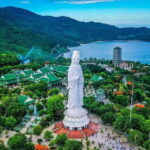
Linh Ung Pagoda on Son Tra peninsula. The day finishes at Linh Ung Pagoda, located on a peninsula facing the ocean. The tour explains the meaning as bringing peace and prosperity for locals and visitors. In practical terms, it’s also one of the more scenic “view + temple” combinations in the area, because you’re seeing both the religious space and the coastline.
Day 2 Ba Na Hills and Golden Bridge: theme-town views plus big-ticket scenery
Ba Na Hills is a full-day commitment, and this itinerary leans into it hard in a good way. You start at about 8:30 am, which is smart—later in the day you usually get more crowds and heavier heat.
At Sun World Ba Na Hills, you’ll see a lot of themed zones and signature sights, including the French village, the Golden Hand Bridge, a Buddha temple, flower gardens, and even stops like a wine cellar and a Fantastic Park. The tour also mentions a German draft beer factory, which gives you a sense of the “different worlds” feel the park creates. You’ll also get a buffet lunch included, which is a real value lever. Instead of hunting food with lines and limited options, you can eat and keep your energy for the views.
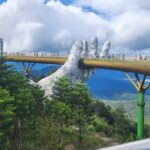
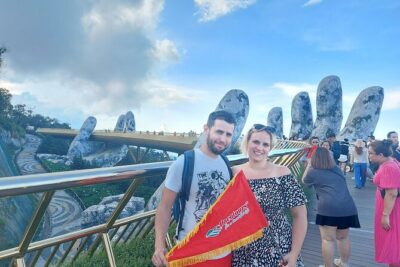
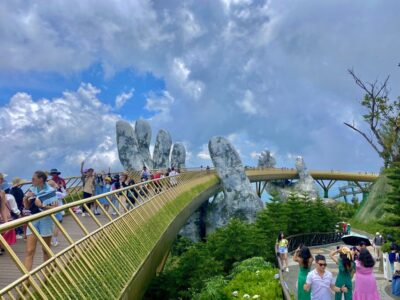
Then you hit the Golden Bridge itself. This isn’t just a walkway—it’s designed as a golden structure held up by two giant stone hands emerging from the mountainside. The tour lists the altitude at 1,414 meters. Even if you’re not a “facts and figures” person, that height translates into big-distance scenery. Expect to take photos from multiple angles; the bridge area gives you plenty of chances to frame the mountain drop and the misty distance when weather cooperates.
A practical consideration: Ba Na Hills is long. The tour sets aside about 8 hours for the Ba Na Hills segment plus time for Golden Bridge. Bring patience, water, and comfortable shoes. If you’re the type who gets worn out by crowds in busy parks, you’ll still be okay because the itinerary is structured, but you should go in expecting a full day of activity.
Day 3 Bay Mau coconut forest and Hoi An after dark
Day 3 is where the tour turns from sightseeing into experiences you can actually participate in. It starts with the Bay Mau coconut forest, then heads to Hoi An old town and finishes with lantern release on Hoai River—plus dinner-area strolling at the night market.

Bay Mau Coconut Forest: basket boat dance and mud-crab style fun
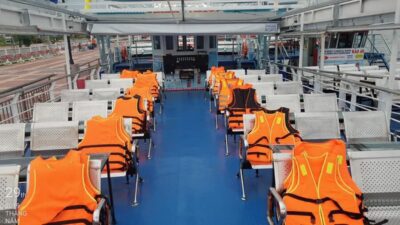
At Bay Mau Coconut Forest, you get the coconut village concept up close: local life, then basket boat dances. The tour also mentions activities such as catching mud crabs and throwing finishing net. That’s the kind of hands-on element that turns a “check the box” day into a story you’ll remember later.
What’s valuable here is that it’s not just watching from a shoreline. The setup gives you an activity format that feels playful, while still grounded in how people in the region use these waterways. If you’re traveling with kids, this tends to land well because it’s interactive. Even adults usually end up laughing here, because the boats and routines are meant to be fun, not perfect.
Hoi An Ancient Town: Japanese Covered Bridge, old merchant houses, and assembly halls
After Bay Mau, the tour transitions to Hoi An Ancient Town. You start with the town’s most famous symbol: the Japanese covered bridge temple, built in the 17th century. It’s a quiet landmark with a temple at the center, and it’s also a fast way to orient yourself because it’s such a strong focal point.
Then you’ll move through several preserved merchant houses and cultural spaces, including:
- Old House of Phun Hung (an 18th-century merchant home preserved by eight generations)
- Japanese Covered Bridge (again as a key anchor point)
- Old House of Tan Ky (built in 1741, known for Vietnamese, Chinese, and Japanese architectural blends)
- Cantonese Assembly Hall (built in 1885, dedicated to Guan Yu)
- Fukian Assembly Hall (Phuc Kien) (from the 17th century, dedicated to the sea goddess Thien Hau)
This part of the day works well because you’re not just seeing one type of heritage. You’re moving between homes and community buildings tied to trade and religious life. And because the tour keeps this structured, you don’t have to worry about timing between each stop.
Lantern release on Hoai River: the night that feels different
Next comes the highlight for many couples and families: lantern release on Hoai River in Hoi An, where you make a wish for the best things for yourself and others. The tour describes it as lovely and popular among tourists for the night views.
Even if you’re not overly sentimental, this is one of the few activities that changes the feel of Hoi An after dark. The old town is pretty by daylight, but lantern release adds purpose and motion—people gather, light up, and the river takes over the scene. For photo lovers, it’s also where you can get softer light than streetlamp-only shots.
Hoi An Night Market: street food and simple browsing time
To close the evening, you’ll have time for the Hoi An Night Market near Nguyen Hoang Street. The tour notes a mix of street food, handmade lanterns, souvenirs, and traditional crafts. This is a good “choose your own adventure” block at the end: you can snack, look around, or pick up a small souvenir without committing to a rigid schedule.
Day 4 airport drop-off: keep your flight stress low
Day 4 is mostly about a clean finish. You’re dropped off at Da Nang International Airport (domestic or international terminals) about 2 hours before your next flight.
That timing is practical. After a few days of packed travel and sightseeing, airport stress is the last thing you want. The tour handles the transfer, so you can focus on check-in and boarding rather than map navigation or hailing rides while tired.
What’s included (and why it’s good value at $420)
Let’s talk money, because this is where tours often disappoint. This one mostly avoids that problem.
You pay $420 per person for 4 days, and the included pieces are a big chunk of the real travel costs:
- Hotels (4-star) with buffet breakfast in Da Nang and Hoian historic areas
- Private transportation, including pickup and airport drop-off
- 3 lunches and 3 dinners, plus buffet lunch at Ba Na Hills
- Vietnam travel insurance up to 100,000,000 VND per case
- All fees and taxes
- Admission tickets for the listed sights
- Private group setup so it’s only your group participating
- Mobile ticket
What you might not realize until you plan your own version: even “budget” DIY Central Vietnam can get expensive once you add up hotel changes, paid attractions, and multiple transport segments. This package does the arithmetic for you. You still need to manage what you buy at shops, and beverage during meals isn’t included—but the core structure is covered.
The part to watch: drinks and flights
Beverages during meals are not included, and flights are not included. That’s normal, but it’s worth planning for if you like sodas, bottled water, or coffee with lunch/dinner. If you want the easiest value, you’ll keep water and drinks simple.
Hotels, meals, and the pace: how the trip actually feels
Hotels are 4-star options such as Vanda Hotel, Satya, or Sandy Beach Resort in Da Nang, and a 4-star in/near Hoian historic areas (the exact name depends on your booking). Breakfast is buffet style, which is handy because you’re doing long sightseeing days.
Meals: You get lunches and dinners each day segment (3 lunches and 3 dinners total). That takes one daily decision off your plate. A small but important detail: because drinks aren’t included, you should expect to pay for beverages separately.
Pace-wise, it’s not a slow “wander around” trip. It’s relaxed compared to aggressive multi-stop tours, but it’s still structured. Day 2 and Day 3 have heavier sightseeing loads. Day 1 and the evenings are calmer. The best way to enjoy it is to treat it like a guided highlights circuit with a couple of hands-on stops, not a free roaming vacation.
Who should book this tour with Grace
This tour is a strong match if you want:
- A first-time Central Vietnam plan that’s organized and easy
- Couples who want romantic evening Hoi An with lantern release
- Families with kids who will actually enjoy the coconut forest activity
- Photo lovers who care about Golden Bridge angles and night lantern light
- People who hate ticket logistics and prefer one clear plan
It may be less ideal if:
- You want minimal walking or very slow days (Marble Mountains and Ba Na Hills mean you’ll move around)
- You’re sensitive to early starts or long full-day park schedules
A final note: the feedback score is 5 and the recommendation rate is 100% (from a small set of reviews). Grace is repeatedly described as friendly and helpful, which matters because a guide’s attitude can turn an average itinerary into a smooth one.
Should you book this 4-day Central Vietnam tour?
I’d book it if your goal is to see the “musts” of Da Nang and Hoi An with Grace guiding the timing, tickets, and transport so you don’t waste energy. At $420 per person, the best part is that the package covers the expensive headaches—hotel, entry fees, key transport segments, and most meals.
Don’t book it if you’re only interested in one or two sites, or if you want total flexibility with no fixed days. This is a set route, and it’s designed to get you value from a tight timeframe.
If you want an easy way to experience Central Vietnam’s famous sights plus one or two unforgettable activities, this tour is a practical yes.
FAQ
What does the tour price include?
The price ($420 per person) includes hotels (4-star with breakfast), private transportation (pickup and airport drop-off), admission fees and taxes, travel insurance (up to 100,000,000 VND per case), and meals (3 lunches and 3 dinners).
Are flights included?
No. Flights are not included.
Is there airport pickup and drop-off?
You’ll be picked up, and on the last day you’ll be dropped at Da Nang International Airport about 2 hours before your next flight (for domestic or international terminals).
Are meals included, and are drinks included?
Lunch and dinner are included on three days each. Beverage during meals is not included.
Which activities are the most hands-on?
The coconut forest experience at Bay Mau includes basket boat dancing and activities like catching mud crabs and throwing finishing net. Hoi An also includes a lantern release on Hoai River.
How much walking should I expect?
You’ll visit places like Marble Mountains and Ba Na Hills, which involve walking through caves and over larger areas. Wear comfortable shoes, especially if you’re not used to hills and uneven ground.
More 4-Day Experiences in Da Nang
- 4-Day Private Central Vietnam Tour from Da Nang: Hue, My Son, Hoi An
★ 4.5 · 9 reviews - 4-Day 3-Night: Explore Vietnam Central Heritage from Da Nang
★ 5.0 · 7 reviews - Da Nang Package Tour 4 Days 3 Nights
★ 4.0 · 3 reviews
More Tour Reviews in Da Nang
- Da Nang: Lady Buddha, Marble Mountains, and Am Phu Cave Tour
★ 4.7 · 3,373 reviews - Full Day Golden Bridge and Ba Na Hills Small Group Tour
★ 5.0 · 2,369 reviews - From Da Nang/Hoi An: Golden Bridge Ba Na Hills Full-Day Tour
★ 4.7 · 1,737 reviews - Da Nang: Han River Local Cruise by Night
★ 4.1 · 1,152 reviews - Da Nang: Golden Bridge, Lady Buddha, Marble Mt & Am Phu Cave
★ 5.0 · 1,147 reviews - Morning Small group to Marble Mountains – Am Phu Cave – Monkey Mountain
★ 5.0 · 1,097 reviews