REVIEW · DA NANG
Safari – Finding the most endangered monkey in the World
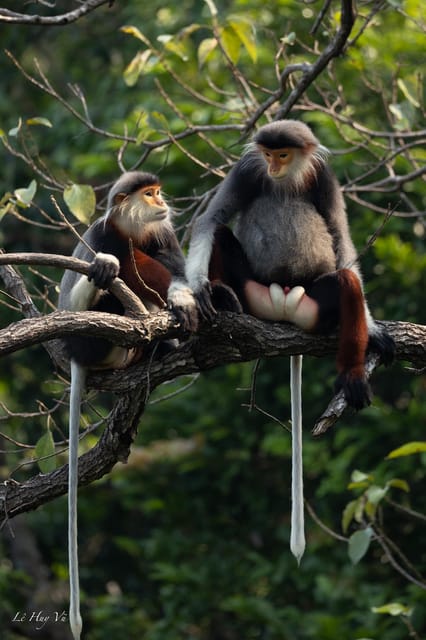
Last light in Son Tra can feel like a secret door. This sunset safari in Da Nang focuses on the critically endangered red-shanked douc langur, with small-group tracking by local wildlife experts.
I especially like the way the guides help you see what matters, not just hope for a sighting. You get binoculars, plus hands-on coaching on things like sex and age cues so your photos and videos actually have context.
One drawback: there’s no guarantee you’ll see monkeys each time. Weather, monkey behavior, and plain luck can change what you find.
In This Review
- Key things I’d plan around
- Son Tra at sunset: why this safari is about more than spotting monkeys
- The route: motorbike ride, easy jungle walk, and quick chances to re-position
- Meeting point in Da Nang: where the safari starts and how it ends
- The douc langur mission: what you do when you find them
- Beyond monkeys: extra animals, local photographers, and hidden scenery
- Capture the moment: videos, photos, and practical gear tips
- Price and value: is $48 really fair for a critically endangered primate safari?
- Who this safari fits best
- Small group energy: what max 5 really changes for you
- Seasonal add-ons and body-weight considerations you should know
- Booking decision: should you book the Douc Langur sunset safari?
- FAQ
- How long is the safari?
- Where do we meet in Da Nang?
- What’s included in the price?
- Can I bring my camera?
- Is there a guarantee we will see monkeys?
- Are alcohol or drugs allowed?
- Who should not book?
Key things I’d plan around
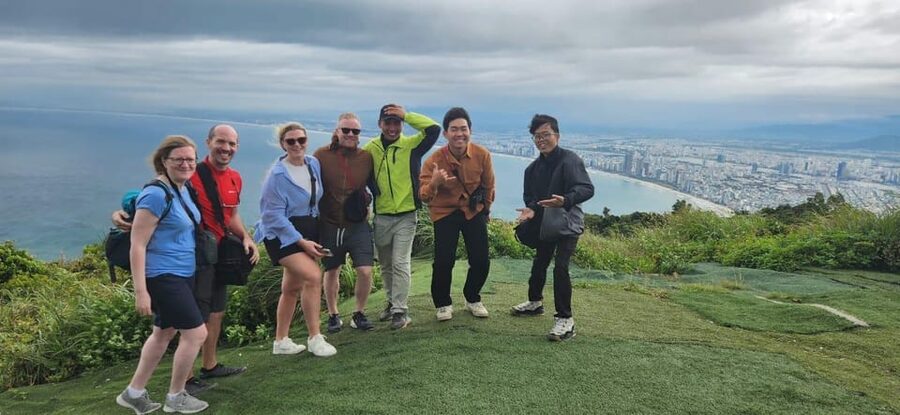
- Small group size (max 5) means more attention when the guide spots movement
- Binoculars are included, which matters because douc langurs can stay high and still
- You learn field cues (how to tell she vs. he and estimate age) while you watch
- Respectful viewing distance is part of the experience, so you observe without pushing them
- Motorbike + walk gets you into quieter jungle edges, not crowded shortcuts
- Photo support may be available via a link to images taken during the trip
Not sure yet? Here is how this one stacks up beside the Da Nang tours people book most.
- Da Nang: Lady Buddha, Marble Mountains, and Am Phu Cave Tour★ 4.7 · 3,373 reviews
- Full Day Golden Bridge and Ba Na Hills Small Group Tour★ 5.0 · 2,369 reviews
- From Da Nang/Hoi An: Golden Bridge Ba Na Hills Full-Day Tour★ 4.7 · 1,737 reviews
- Da Nang: Han River Local Cruise by Night★ 4.1 · 1,152 reviews
Son Tra at sunset: why this safari is about more than spotting monkeys
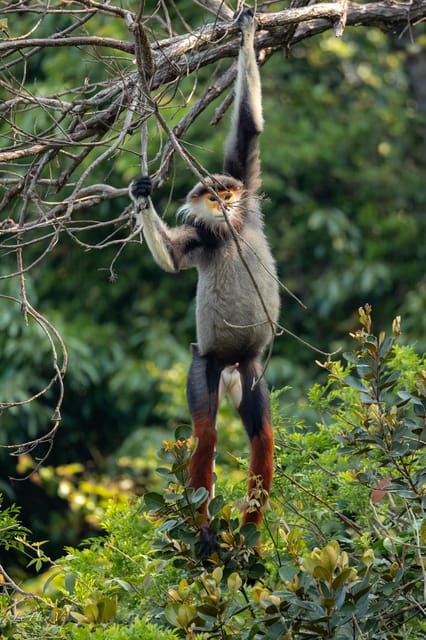
If you want a wildlife trip that feels equal parts science and magic, this is a strong bet. The whole point here is tracking the red-shanked douc langur, often called the queen of primates, in the Son Tra Nature Reserve area during sunset hours. The timing matters because dusk changes how active animals are, and it also changes the mood of the forest—cooler air, softer light, and less human noise.
I also like the framing of this safari: it’s not presented as a checklist where you leave only if you get lucky. The experience is designed so you learn how to observe shy primates carefully, and it even includes participation in real-time research by helping collect data about the monkey groups you encounter. That turns your outing into more than a photo hunt.
At the same time, be realistic about expectations. The operator explicitly says they can’t guarantee you’ll see monkeys (or rare monkeys) every time, and it depends heavily on weather and animal behavior. If you’re the type who panics at uncertainty, you’ll want to treat this as a nature encounter that sometimes rewards you loudly.
The route: motorbike ride, easy jungle walk, and quick chances to re-position
This is a 2.5-hour safari, but you should think of it as a relaxed “move and watch” format. You’ll travel by motorbike for part of the time and then walk to reach more remote jungle areas. The day’s rhythm is paced so you’re not sprinting through the forest; it’s more about stopping, scanning, and letting the guide read the habitat.
The terrain is described as an easy stroll across scenic, twisting mountain roads and hidden slopes. That’s good news if you want a wildlife outing without turning it into a hike-and-suffer program. Still, do plan for uneven ground and some uphill sections, because the monkeys you’re seeking aren’t usually sitting at the trail’s easiest edge.
Transport comfort is worth mentioning. This tour is run by a guide team that drives you to remote spots, and reviews specifically praise the careful driving and safety even for people who feel a bit nervous on a motorbike. If that’s you, you’ll probably feel more at ease because the guides are repeatedly described as respectful—both to you and to the animals.
One more practical point: light travel is strongly requested. There’s no space for big luggage, so keep it to a small day bag (ideally just what you need for water, camera, and essentials).
Meeting point in Da Nang: where the safari starts and how it ends
You meet in front of Esco Beach Bar in Da Nang. If you’re coming from Hoi An or you don’t have a pickup location in Da Nang, that bar-front meeting point is the anchor. The activity ends back at the same meeting spot.
That simple start/end matters more than it sounds. After the sunset drive and jungle walk, you’ll likely want a predictable return rather than scrambling across town. And since the tour is small-group, you avoid the feeling of being herded by a giant bus lineup.
The douc langur mission: what you do when you find them
When you’re actually in the monkey-spotting phase, this safari becomes very hands-on. You’re in Son Tra looking for the red-shanked douc langurs, a critically endangered primate that can be hard to detect because they’re often high up and can stay still for long stretches.
This is where the included binoculars earn their keep. Binoculars aren’t just a perk; they’re the difference between seeing shapes and seeing features. With them, you can follow what the guide points out without constantly repositioning or crowding.
The guides also teach observation skills. You’ll learn how to tell a female versus male and how to estimate an animal’s age. It’s the kind of training that makes your photos better, because you stop shooting random silhouettes and start capturing identifiable moments—like posture, group behavior, and how the langurs are moving through the canopy.
There’s also a research component. The safari includes helping collect data about the monkey group you encounter. Even if you’re not a scientist, you’ll understand that your role is supportive—watch carefully, report what you see, and do it in a way that doesn’t disrupt normal behavior.
In reviews, the guide team is repeatedly praised for spotting groups quickly along the way and for keeping a safe, respectful distance. Names that come up include Brendan and Cillian, as well as guides like Tam, Huy, Binh, and Lillian. You might not get the same person, but the consistent theme is the same: careful eyes and low-pressure wildlife ethics.
Beyond monkeys: extra animals, local photographers, and hidden scenery
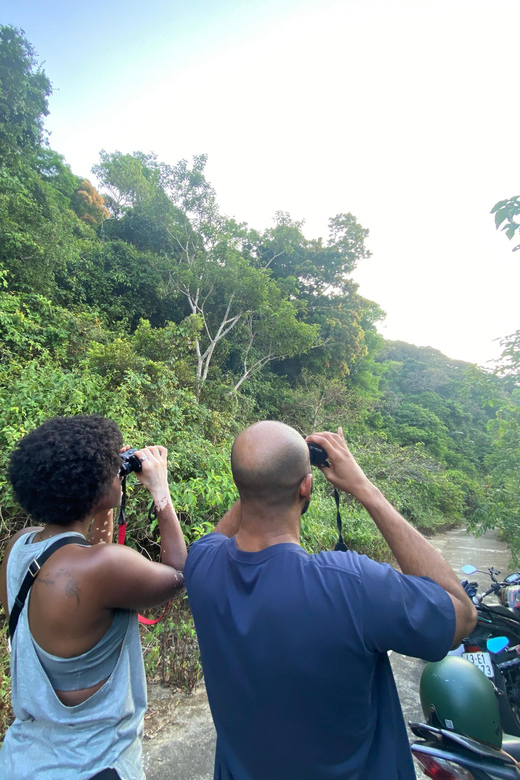
Monkeys are the headline, but this safari doesn’t ignore the rest of the living world. Along the trail you might spot a supporting cast: birds, colorful butterflies, plants, and sometimes even mongoose. When you’re in a reserve like Son Tra, that variety is part of why this feels like a real ecosystem rather than a staged attraction.
Another underrated part is the chance to talk with local animal photographers during the trip. You can hear their insights and see amazing photos, which helps you understand what to look for and how to read wildlife behavior. This kind of learning is useful because it changes how you watch even after the safari ends.
The route also includes opportunities to see Monkey Mountain and a secret beach, depending on conditions and what the day allows. Even when monkey sightings are limited, these stops can still make the trip feel like you went somewhere genuinely off the usual path around Da Nang.
Capture the moment: videos, photos, and practical gear tips
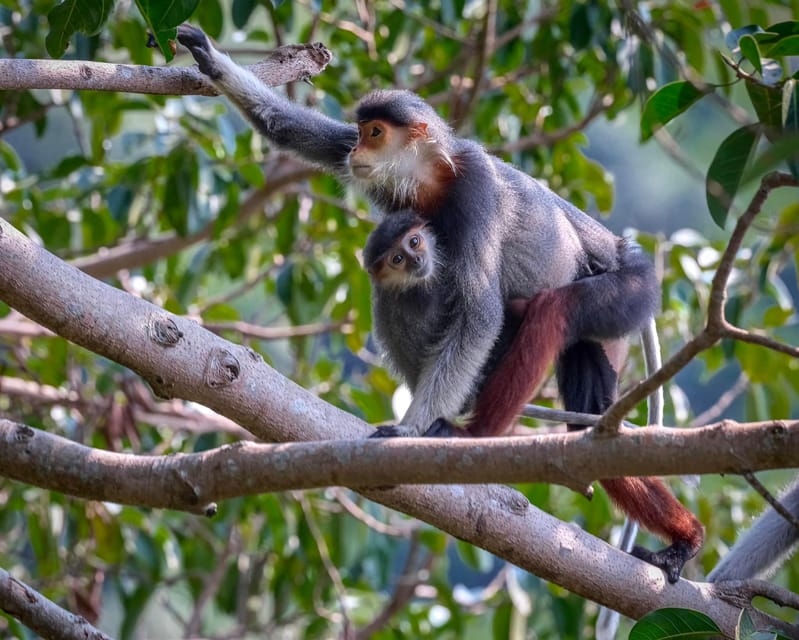
If you care about photos and video, this trip is set up for that. The highlight calls out opportunities to capture videos and pictures of the “Queen of Primates,” and the binoculars help you frame shots from a distance without moving closer than you should.
One gear note: cameras aren’t included, but you can bring yours freely. The tour also provides water and fruit snacks, which helps you stay focused and not start searching for a convenience store mid-sunset.
Some groups receive a link to photos taken with professional cameras by the guide team. Since that’s described in reviews rather than stated as a universal promise, treat it as a nice possibility, not something you should build your whole plan around.
Price and value: is $48 really fair for a critically endangered primate safari?
At $48 per person, this isn’t a bargain safari. But it also isn’t priced like a mass-market gimmick. You’re paying for three things that are hard to replicate on your own: entry-style guidance inside the reserve area, expert spotting and interpretation, and the small-group setup (limited to 5 participants).
Binoculars are included, and that’s not a small cost when you compare to other tours that just say bring your own. You also get water and fruit snacks, which helps during a sunset outing when you can’t easily pause for food.
Then there’s the animal-ethics factor. Reviews repeatedly mention that guides keep safe distances and don’t disturb the monkeys. That’s a real part of “value,” because it reduces the chance you end up watching distressed animals created by crowds and pushing.
Also, the motorbike + walk combination is practical. It’s a lot easier than trying to reach remote jungle edges by yourself, and it helps your group cover ground without turning it into a strenuous hike.
Who this safari fits best
This experience is listed as not suitable for children under 5 and for people over 220 lbs / 100 kg. It’s also a good fit for adults who can handle some uneven ground and are comfortable with a motorbike ride.
If you’re in your 50s or 60s and a bit wary of riding, you may feel better here because several reviews praise the guides’ careful driving and consideration. If you hate motorbikes entirely, though, this will probably feel like the wrong format.
Small group energy: what max 5 really changes for you
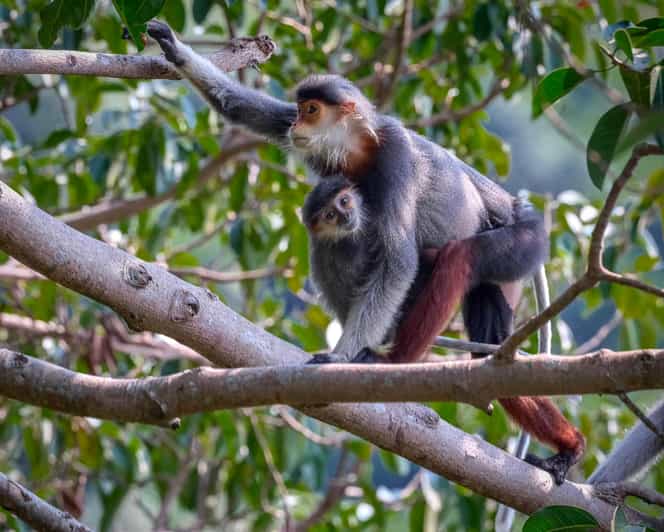
With a limit of 5 participants, you avoid that “one guide, ten opinions” feeling. When a langur group is found, the group size helps everyone see without stacking up in a way that stresses animals or blocks sightlines.
It also makes the teaching portion easier. Learning how to tell a she from a he and estimate age is much more effective when you can ask quick questions and get direct answers. In reviews, guides are described as patient with questions and as friendly, which lines up with this small-group structure.
Seasonal add-ons and body-weight considerations you should know
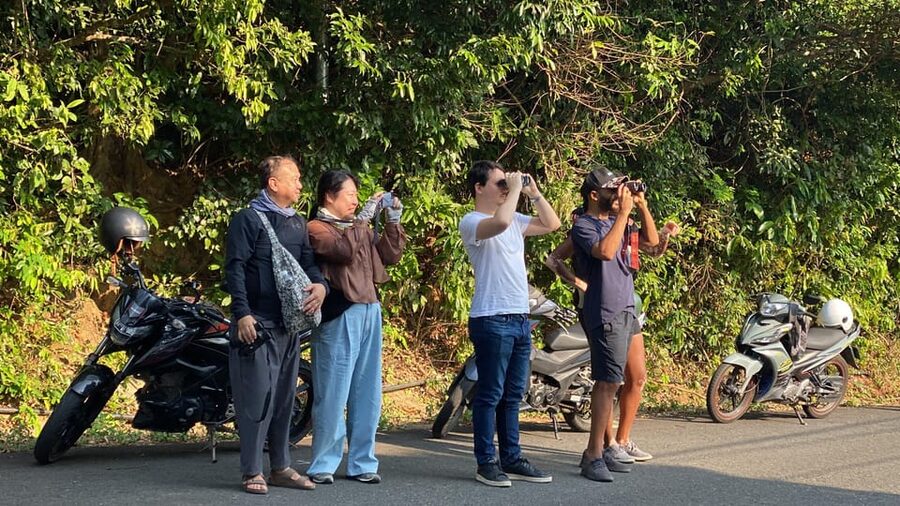
If your dates fall over Lunar New Year Holiday (Jan 28 to Feb 1, 2025), there’s a service charge of 300,000 VND on the spot. That’s specific, so check your travel dates before you get too excited about planning around sunset.
There’s also a weight-related note. Guests who weigh between 85 kg to 100 kg are required to pay an extra 250,000 VND, and the tour prepares a more powerful bike for the climb. That’s worth respecting because it affects both safety and comfort.
Booking decision: should you book the Douc Langur sunset safari?
I think you should book if you want a small-group wildlife outing in Da Nang that prioritizes respectful observation and practical learning, not just luck. The binoculars, the training on identifying features, and the guides’ repeated success in finding multiple douc groups make this a strong value for nature lovers.
I’d skip it or hold your expectations lightly if you only want a guaranteed monkey sighting. The operator is upfront that monkeys depend on conditions, so your best mindset is curious and patient.
If you’re flexible, traveling light, and excited by the idea of seeing one of the world’s most threatened primates in its real habitat, this is exactly the kind of sunset experience you’ll remember for the right reasons.
FAQ
How long is the safari?
The duration is listed as 2.5 hours. Check availability to see starting times.
Where do we meet in Da Nang?
The meeting point is in front of Esco Beach Bar in Da Nang, and the safari ends back at the same location.
What’s included in the price?
Included items are binoculars for viewing shy monkeys, plus water and fruit snacks. You also travel by motorbike with a guide who acts as your private driver to remote areas.
Can I bring my camera?
Yes. Cameras are not included, but you’re welcome to bring your own.
Is there a guarantee we will see monkeys?
No. The operator states they cannot guarantee seeing monkeys or rare ones every time, depending on weather, monkey behavior, and luck.
Are alcohol or drugs allowed?
No. Alcohol and drugs are not allowed.
Who should not book?
It’s listed as not suitable for children under 5 and for people over 220 lbs / 100 kg. If you weigh 85–100 kg, there is an extra fee on the day for the powered bike.
More Tour Reviews in Da Nang
- Da Nang: Lady Buddha, Marble Mountains, and Am Phu Cave Tour
★ 4.7 · 3,373 reviews - Full Day Golden Bridge and Ba Na Hills Small Group Tour
★ 5.0 · 2,369 reviews - From Da Nang/Hoi An: Golden Bridge Ba Na Hills Full-Day Tour
★ 4.7 · 1,737 reviews - Da Nang: Han River Local Cruise by Night
★ 4.1 · 1,152 reviews - Da Nang: Golden Bridge, Lady Buddha, Marble Mt & Am Phu Cave
★ 5.0 · 1,147 reviews - Morning Small group to Marble Mountains – Am Phu Cave – Monkey Mountain
★ 5.0 · 1,097 reviews