
REVIEW · DA NANG MOTORBIKE & AO DAI RIDERS
Da Nang “The Ao Dai” Show: Timeless Vietnamese Elegance
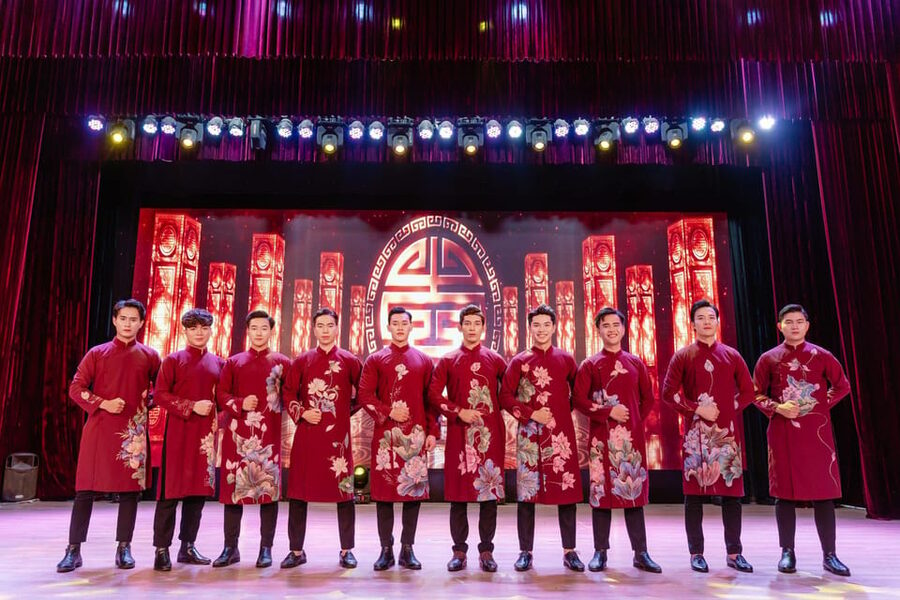
One-hour culture, costumes, and history—right in Da Nang. The Ao Dai Show turns Vietnam’s changing style into a story, moving from the royal court to everyday life, and then into modern looks, all with clear English narration. I love the way the performance uses spectacular traditional costumes to explain history you can actually picture, and I also like the pacing of the set pieces, which makes the show easy to follow even if you know little Vietnamese history.
The main thing to consider is that it’s theater, not a museum. If you prefer reading slowly (or want lots of behind-the-scenes context), you may find the experience a bit fast, since you’re watching major moments of Vietnam’s past and cultural evolution unfold in performance form.
In This Review
- Key things to know before you go
- Da Nang Ao Dai Show: what you’re really buying for $17
- Getting to the Culture House in Ngu Hanh Son (and why timing helps)
- The show’s storyline: Vietnam told through clothing and scenes
- Timbre of the Royal Palace: court power in fabric
- 300 years of ancient Ao Dai: the Old Market chapter
- Traditional wedding: rituals past and present
- Lotus dance: national symbol, classic movement
- White Ao Dai school uniform: education and family roles
- The final Ao Dai Show: royal-to-folk evolution on one stage
- Seating, English narration, and how to enjoy it without strain
- Who this show is perfect for (and who might want something else)
- Small details that make the night run smoother
- Practicalities: duration, language, and what to plan around
- Should you book the Da Nang Ao Dai Show?
- FAQ
- FAQ
- Where is the Da Nang Ao Dai Show located?
- How much does the Ao Dai Show cost?
- How long is the experience?
- What time should I arrive?
- Is there an English host or narration?
- What is included in the ticket price?
- Is transportation included?
- Is the show wheelchair accessible?
- What languages are available?
- What is the cancellation policy?
- Can I reserve without paying right away?
Key things to know before you go
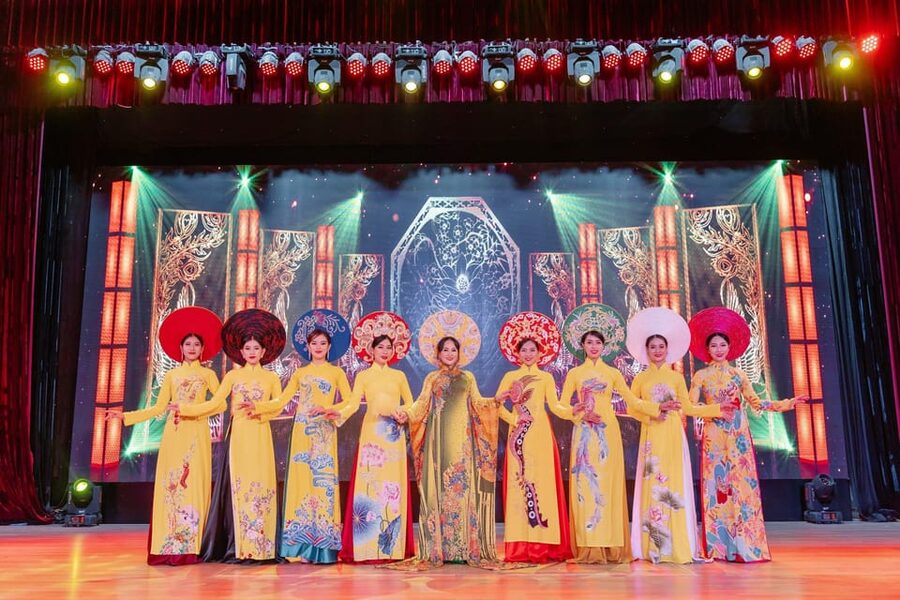
- Nguyen Dynasty spotlight: royal figures and court dignity show up in the Timbre of the Royal Palace segment.
- Ao Dai across centuries: an Old Market scene recreates daily trade life from the 17th to 19th centuries in period-style dress.
- Big cultural set pieces: traditional wedding, school uniforms, and the lotus dance all land as distinct chapters.
- English narration on screens: you can follow the story even when you’re focused on the costumes.
- Interactive touches: the show includes moments that acknowledge visiting countries, adding a light, fun element.
- Good value for $17: with refreshments and a small gift included, it’s an affordable evening plan.
Ride pillion through more of Da Nang
- From Hue/Da Nang/Hoi An: Hai Van Pass Tour by Motorbike★ 5.0 · 320 reviews
- DaNang Night Foodie Tour-Sighseeing with Aodai Lady Rider Private★ 5.0 · 255 reviews
- Da Nang Food Tour Motorbike & Sightseeing By Ao Dai Lady Rider★ 5.0 · 121 reviews
- Hai Van Pass Motorbike Tour with Easy Rider★ 5.0 · 121 reviews
Da Nang Ao Dai Show: what you’re really buying for $17
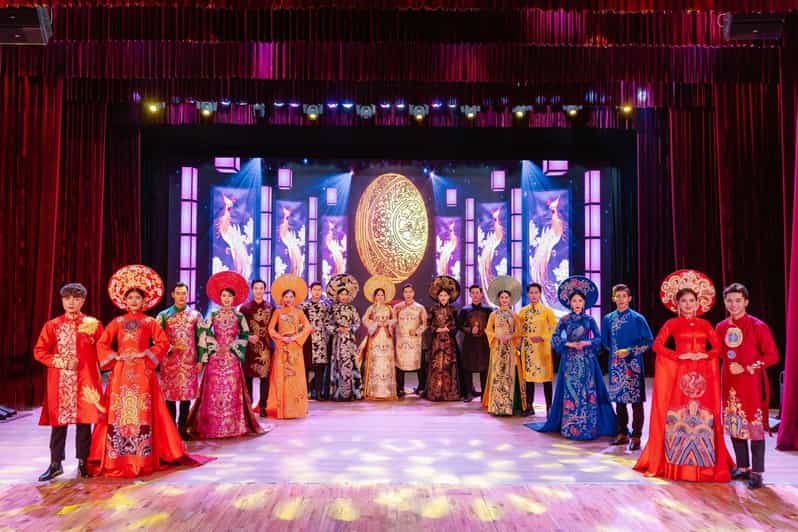
For $17 per person, you’re not just paying to watch dance. You’re paying for a guided storyline about how Vietnam’s identity changed over time, told through the most recognizable fashion symbol in the country: the ao dai.
The show’s structure matters. Instead of dumping facts, it uses scenes—royal court life, market life, weddings, school uniform imagery, and dance—to help you connect style with meaning. That’s why many people find it makes a quick evening feel like part of a bigger understanding of Vietnam, especially if your Da Nang itinerary is packed with food and sightseeing and you want one night that slows things down into culture.
It’s also practical. You get an entrance ticket, refreshments, and a small gift. And since transportation isn’t included, you’ll want to plan how you’ll get to the venue ahead of time (more on that below). If you’re already in central Da Nang, this is the kind of ticket that turns into an easy add-on without burning half a day.
Getting to the Culture House in Ngu Hanh Son (and why timing helps)
The meeting point is the Culture House of Ngu Hanh Son District. The host or greeter speaks English, which is helpful if you’re showing up with a booking on your phone and want to get seated without stress.
The show runs on a specific time, and you should plan to arrive at least 15 minutes early. That buffer matters because the doors and seating process can be faster than you expect in a theater setup. One smart tip: if you’re the kind of person who hates rushing, use that 15 minutes to settle in—then you can enjoy the opening without worrying about finding seats.
Wheelchair access is listed for this activity, so if you’re traveling with mobility needs, this venue is designed to be workable.
The show’s storyline: Vietnam told through clothing and scenes
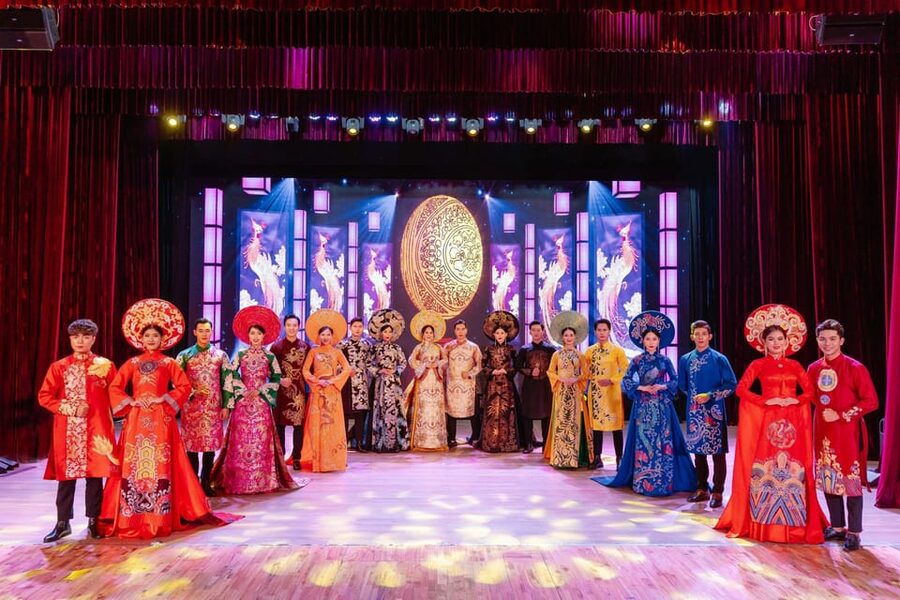
The Ao Dai Show narrates Vietnamese culture from past to present, with the ao dai as the connecting thread. The show’s message is simple and strong: the national dress doesn’t appear out of nowhere. It evolves—shaped by royal influence, folk traditions, social life, and the push-and-pull between tradition and modern styles.
You’ll see major chapters, including the link between royal court customs and ordinary people’s culture. Over nearly three centuries, the performance highlights how the ao dai developed and why it became significant as Vietnam’s national dress during the Nguyen Dynasty.
Timbre of the Royal Palace: court power in fabric
One of the most impressive early segments is Timbre of the Royal Palace. This part focuses on the dignity and majesty of the dynasty through royal-style costumes for kings, mandarins, empress dowagers, and maidens.
What I like about this segment is that it teaches without lecturing. Instead of memorizing historical details, you’re absorbing the idea of hierarchy and ceremonial life through costume silhouettes and how performers hold space on stage. It also sets a visual baseline: you understand what royal elegance looks like before the show starts showing you how that elegance changes as life becomes more public and shared.
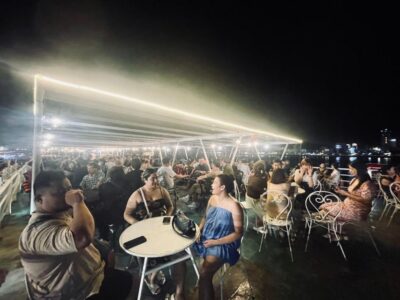
More of an evening show in Da Nang


300 years of ancient Ao Dai: the Old Market chapter
Next comes the 300 Years of Ancient Vietnamese Ao Dai segment, anchored by an Old Market scene replica. It’s set up to reflect trade activity from the 17th to 19th centuries.
This is where the show helps you “see” daily life, not just court life. People are dressed in older ao dai styles, and the vibe shifts from grand formality to grounded everyday activity. You get the sense of rustic routines—market rhythms, trade, and the respect people showed for daily survival and community work. It’s a reminder that fashion wasn’t only for ceremonies; it belonged to work and social interaction too.
Traditional wedding: rituals past and present
The Traditional Wedding performance captures Vietnamese wedding culture in a way that connects past practices with what you might recognize today. Wedding scenes are always good theater because they communicate emotion fast. You don’t need a history degree to understand celebration, family roles, and the meaning behind ceremonial standards.
For first-time visitors, this chapter is a good anchor. It turns “culture” from a vague word into specific gestures and ritual moments. You can pay attention to details without feeling like you’re hunting for meaning.
Lotus dance: national symbol, classic movement
The Lotus Dance is inspired by Vietnam’s national flower. The performance combines traditional and contemporary dance to express the purity and elegance the lotus represents.
This part often becomes the emotional reset in the show. After the historical scenes, the lotus chapter focuses more on movement and mood. Even if you’re tired, it’s the moment you can relax your brain and just enjoy the choreography, the music, and the symbolism.
White Ao Dai school uniform: education and family roles
Then you move into a striking visual chapter with white ao dai school uniforms. The show references Dong Khanh, described as the inaugural girls’ school in Vietnam. The performers represent schoolgirls aiming to be well-educated while carrying values tied to simplicity, grace, politeness, humility, and careful communication.
What’s useful here is that the show doesn’t treat education as just a background theme. It connects education to family and social responsibility—skills in childcare and family care are mentioned as part of the girls’ aims. It’s a powerful reminder that “school” in many societies isn’t only about academics; it’s about social readiness and how a community prepares young people for roles they’ll carry forward.
The final Ao Dai Show: royal-to-folk evolution on one stage
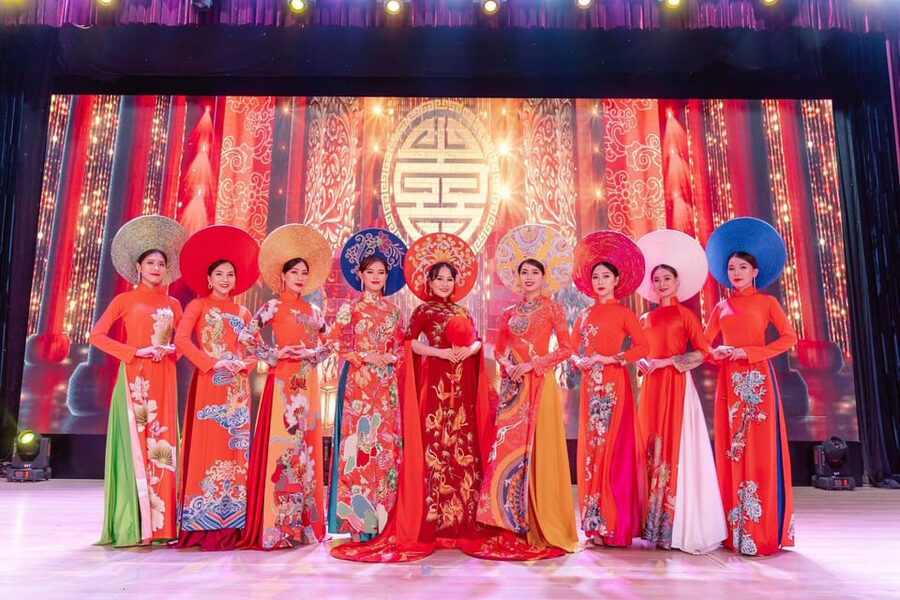
The ending brings it all together in the Ao Dai Show segment. This part narrates Vietnamese history and culture across time, bridging the royal court and ordinary people, while blending traditional and modern elements.
If you want a single “why it matters” takeaway, this is where you get it. The show emphasizes the evolution of ao dai through the centuries, making it clear that the national dress you see today is built from layered influences—not a single frozen moment.
Seating, English narration, and how to enjoy it without strain
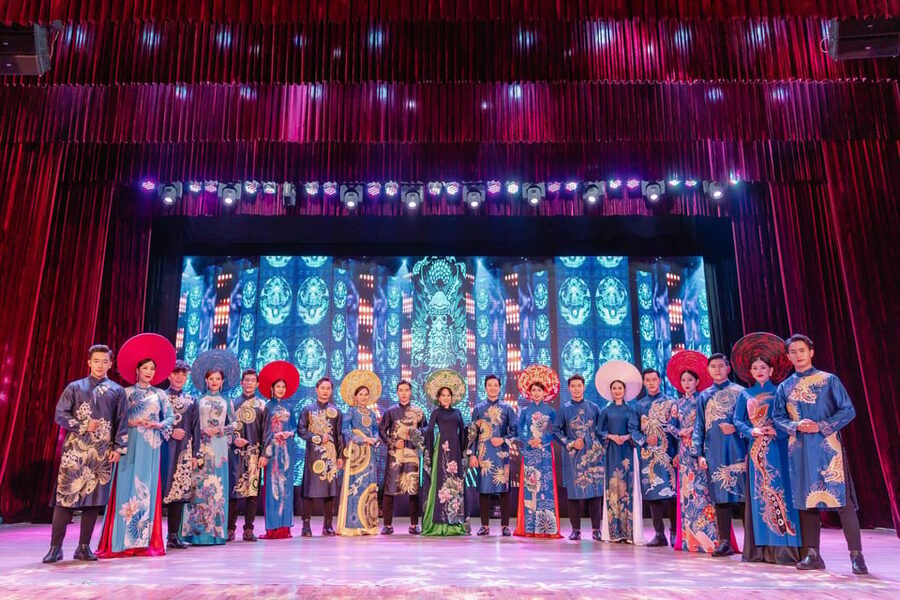
The experience is designed to be readable, not just beautiful. English narration appears on screens at either side of the stage. This matters more than you might think.
When the story is visible in English, you can divide your attention: you watch the costumes and choreography, and you also track the narrative at the same time. That reduces the frustration that sometimes comes with dance shows where you only understand the emotions but not the context.
Also, the show supports getting settled quickly. Seating may already be allocated and held even if you arrive close to the start. Still, I’d keep arriving early as your default plan. It makes the opening moments easier and helps you avoid the stress that ruins good culture time.
Who this show is perfect for (and who might want something else)
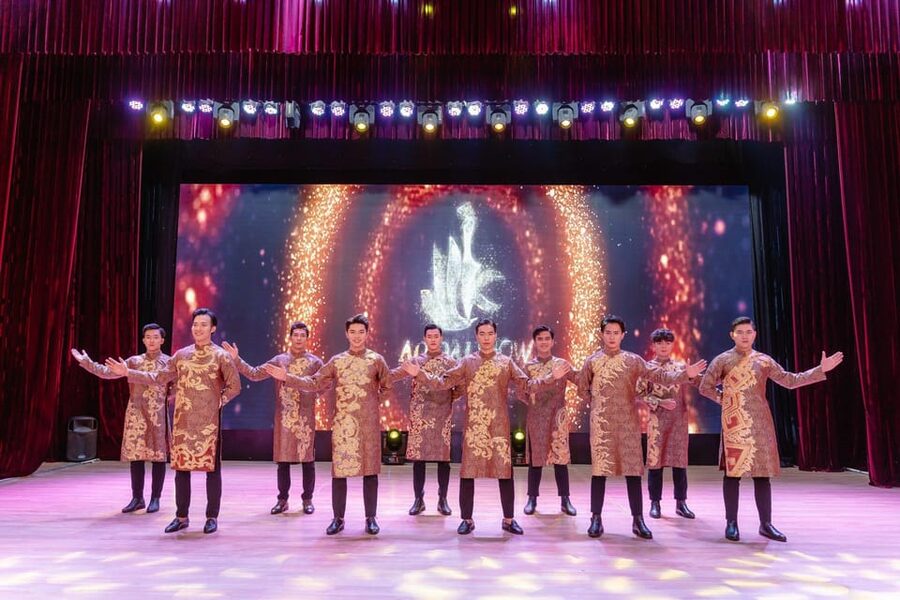
This is a strong choice if you want an easy cultural night in Da Nang that doesn’t require research beforehand. It’s especially good for:
- Couples who want something romantic but not overly formal
- Families who can handle theater for about an hour
- First-timers in Vietnam who want a quick “style-to-history” lesson
- Anyone who loves fashion, symbolism, or seeing how traditional clothing changes over time
If you’re the type of traveler who wants deep historical detail with dates and documents, you might feel the show offers a high-level story rather than a lecture. But for most people, that’s the point. You’re paying for a clear storyline delivered through costumes and performance.
Small details that make the night run smoother
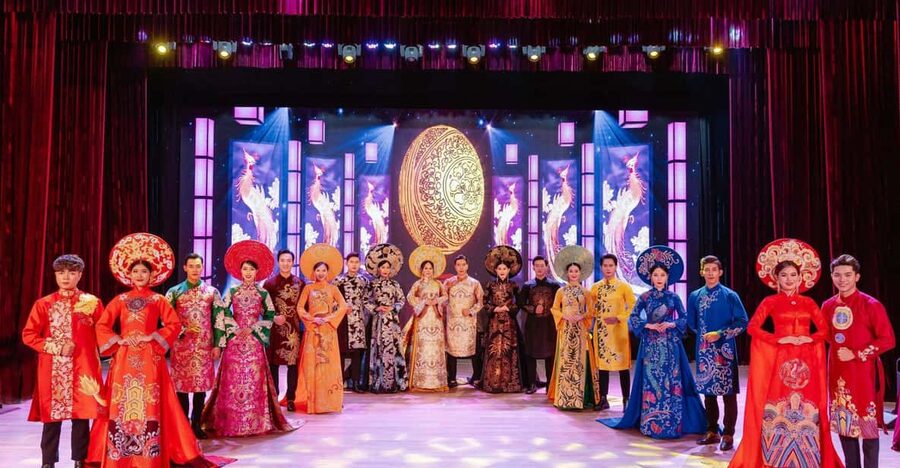
A few practical touches improve the experience:
- You receive refreshments along with your ticket.
- You get a small gift at the show.
- A host or greeter in English is available, which is useful for check-in.
- You’re told to arrive 15 minutes early, which helps you settle without rushing.
And yes, the show includes light interactive moments. One reason people enjoy the atmosphere is that it’s not only performers delivering art at you. There are moments where the show responds to the audience energy, and the performance even includes nods that connect to visiting countries, which adds a fun, global-feeling touch.
Practicalities: duration, language, and what to plan around
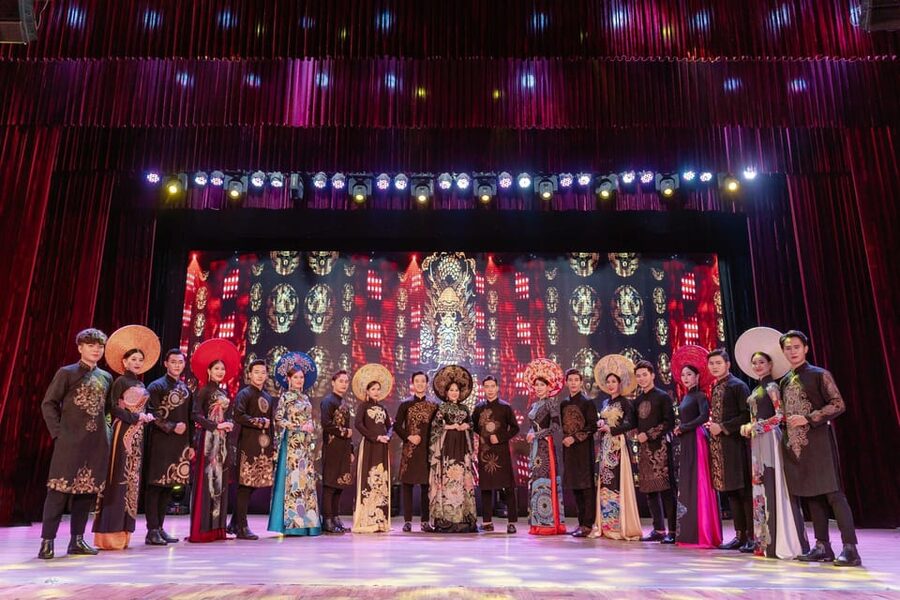
This is listed as a 1-day activity with a duration of 1 day (meaning you go to the show once). The language is English, and English narration is shown on stage screens.
You should also note that transportation isn’t included. So you’ll want to plan your route to the Culture House of Ngu Hanh Son District. If you’re hopping around Da Nang by taxi or ride-hail, give yourself buffer time for traffic and dropping off close to the venue.
Wheelchair accessibility is mentioned, so if you need help navigating, ask your driver to drop you at the most direct entry point.
Should you book the Da Nang Ao Dai Show?
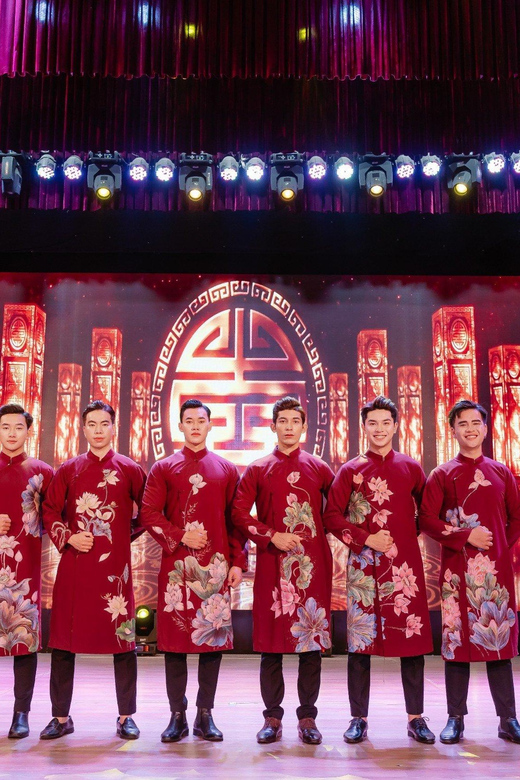
Yes, if you want a short, meaningful cultural experience that uses clothing to teach history. At $17 with ticket entry, refreshments, and a small gift, it’s good value for an evening plan. The show is built to be understandable with English narration, and the set pieces are varied enough that you won’t feel stuck watching one style for an hour.
Skip it only if you strongly prefer quiet museums or detailed academic explanations. This is performance-driven culture—fast, visual, and story-led. Most people come away feeling they now understand what the ao dai represents beyond being “pretty.”
If your Da Nang schedule is busy, this is one of the easiest ways to add something authentic without spending a whole day on logistics.
FAQ
FAQ
Where is the Da Nang Ao Dai Show located?
The meeting point is the Culture House of Ngu Hanh Son District in Da Nang.
How much does the Ao Dai Show cost?
The price is listed as $17 per person.
How long is the experience?
It’s listed as a 1-day activity with a duration of 1 day.
What time should I arrive?
Please be present at least 15 minutes before the show time.
Is there an English host or narration?
Yes. The host or greeter is listed as English, and English narration is shown on the screens during the show.
What is included in the ticket price?
Included items are the Ao Dai Show entrance ticket, refreshments, and a small gift.
Is transportation included?
No. Transportation is not included.
Is the show wheelchair accessible?
Yes, wheelchair accessibility is listed for the activity.
What languages are available?
English is listed as the language for this activity.
What is the cancellation policy?
Free cancellation is offered up to 24 hours in advance for a full refund.
Can I reserve without paying right away?
Yes. Reserve now & pay later is available, so you can book your spot and pay nothing today.
Shows & Evening Entertainment
- Da Nang: Han River Night Boat Trip with Show on Weekends
★ 3.8 · 455 reviews - Da Nang: Poseidon Cruise with Dinner and Dragon Bridge Show
★ 3.8 · 304 reviews - Da Nang: Charming Da Nang Show Ticket
★ 4.5 · 113 reviews - Da Nang: Poseidon Cruise with Dinner and Dragon Bridge Show
★ 4.0 · 25 reviews - Da Nang: Charming Danang Show Ticket
★ 4.9 · 24 reviews - Da Nang: Charming Da Nang Show Ticket
★ 4.8 · 17 reviews
More Tour Reviews in Da Nang
- Da Nang: Lady Buddha, Marble Mountains, and Am Phu Cave Tour
★ 4.7 · 3,373 reviews - Full Day Golden Bridge and Ba Na Hills Small Group Tour
★ 5.0 · 2,369 reviews - From Da Nang/Hoi An: Golden Bridge Ba Na Hills Full-Day Tour
★ 4.7 · 1,737 reviews - Da Nang: Han River Local Cruise by Night
★ 4.1 · 1,152 reviews - Da Nang: Golden Bridge, Lady Buddha, Marble Mt & Am Phu Cave
★ 5.0 · 1,147 reviews - Morning Small group to Marble Mountains – Am Phu Cave – Monkey Mountain
★ 5.0 · 1,097 reviews
On Two Wheels with a Local Rider
- From Hue/Da Nang/Hoi An: Hai Van Pass Tour by Motorbike
★ 5.0 · 320 reviews - DaNang Night Foodie Tour-Sighseeing with Aodai Lady Rider Private
★ 5.0 · 255 reviews - Da Nang Food Tour Motorbike & Sightseeing By Ao Dai Lady Rider
★ 5.0 · 121 reviews - Hai Van Pass Motorbike Tour with Easy Rider
★ 5.0 · 121 reviews - Scooter Adventure on Monkey Mountain
★ 5.0 · 116 reviews - Day Trip Motorbike Tour in Hai Van Pass.
★ 5.0 · 107 reviews
Just Added: The Newest Da Nang Reviews





Da Nang Motorbike & Ao Dai Riders, side by side.
 ★ 5.0From Hue/Da Nang/Hoi An: Hai Van Pass Tour by MotorbikeFrom $49320 reviews
 ★ 5.0DaNang Night Foodie Tour-Sighseeing with Aodai Lady Rider PrivateFrom $39255 reviews
Hai Van Pass Motorbike Tour with Easy RiderFrom $65121 reviews
★ 5.0DaNang Night Foodie Tour-Sighseeing with Aodai Lady Rider PrivateFrom $39255 reviews
Hai Van Pass Motorbike Tour with Easy RiderFrom $65121 reviews
 ★ 5.0Da Nang Food Tour Motorbike & Sightseeing By Ao Dai Lady RiderFrom $38121 reviews
 ★ 5.0Scooter Adventure on Monkey MountainFrom $57116 reviews
 ★ 5.0Day Trip Motorbike Tour in Hai Van Pass.From $79107 reviews
 ★ 5.0Your Incredible Scooter Adventure On Hai Van PassFrom $7567 reviews
 ★ 5.0Da Nang Night Motorbike Tour & River Cruise Riding By Lady RiderFrom $3761 reviews
Lists featuring this tour